
Pinelands brief: a collector who wanted order, not just boxes
Our client in Pinelands came to us with a clear, practical brief. The collection included modern local superhero comics, assorted collectables, and a few older items that needed better protection than standard shelves and mixed cartons could offer. The focus was on methodical storage, easy identification, and a plan that would make future sorting simpler without handling each item too often.
We first looked at how the collection was being moved around the home, where the light fell, and which items were being checked most often. In Pinelands, a lot of homes deal with variable indoor conditions, especially if a room catches coastal moisture or warms up in the afternoon. That matters when you are keeping paper, cardboard, sleeves and plastic covers in good condition over time.
A good storage system should make the next year easier, not just the next tidy-up.
What the storage plan had to handle
The main challenge was not quantity alone, but the level of detail the owner wanted in the system. Each box needed to tell a story at a glance, and each item group had to be easy to retrieve without reshuffling the whole collection. We also had to allow for future additions, because a collector with good habits will keep growing the line-up.
- Archival storage for comics in standard bag and board sets
- Clear box labels by title group, condition band and read order
- Room for oversized items and mixed collectables without crowding
- Protection against dust, light exposure and handling wear
- A structure that works for both display items and stored stock
Because the client wanted a careful system rather than a quick tidy-up, we kept the storage plan simple enough to follow but detailed enough to avoid confusion later on. It had to work for one person, not a team, so the labels needed to be legible and consistent.
Archival supplies and labelling details we supplied
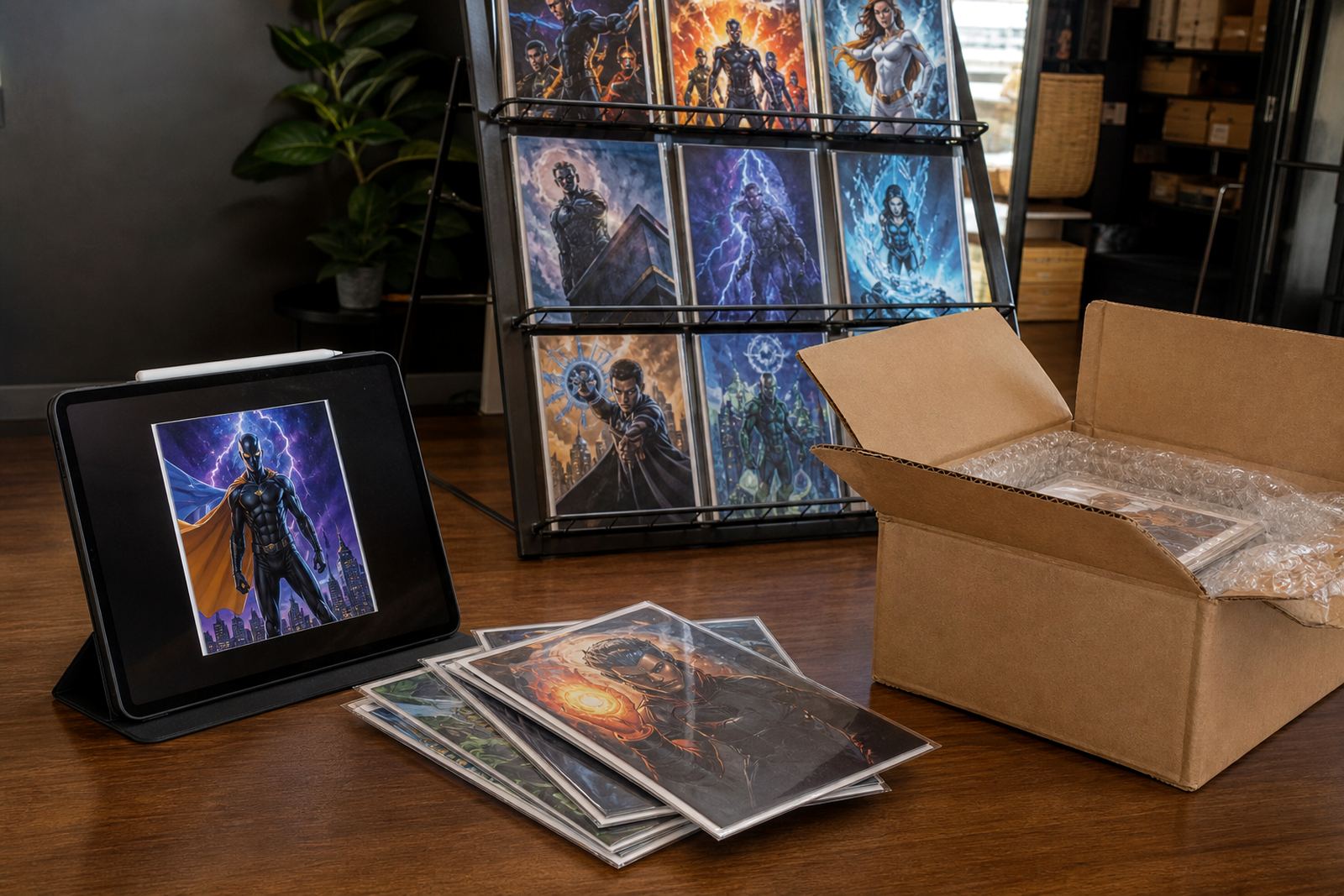
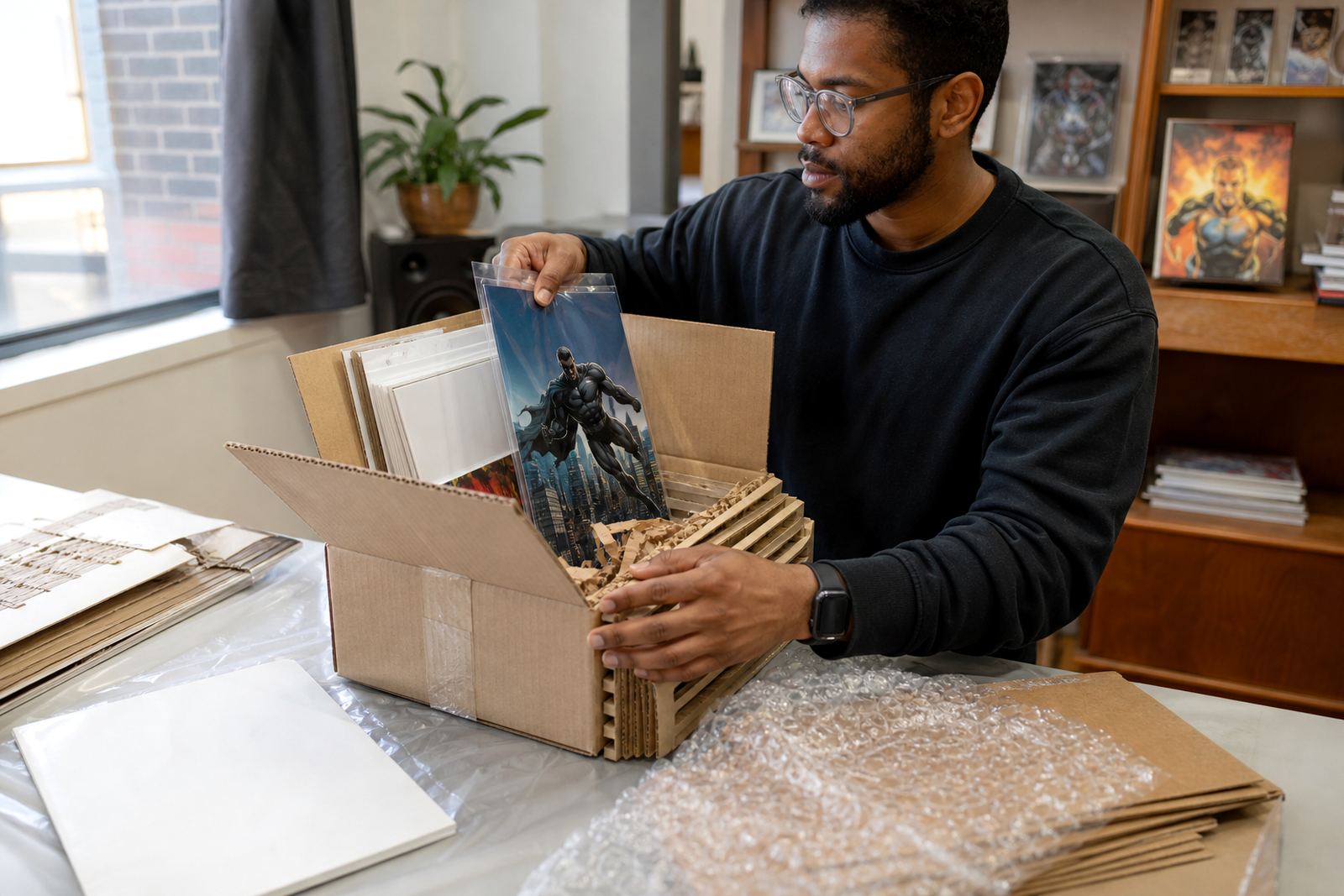
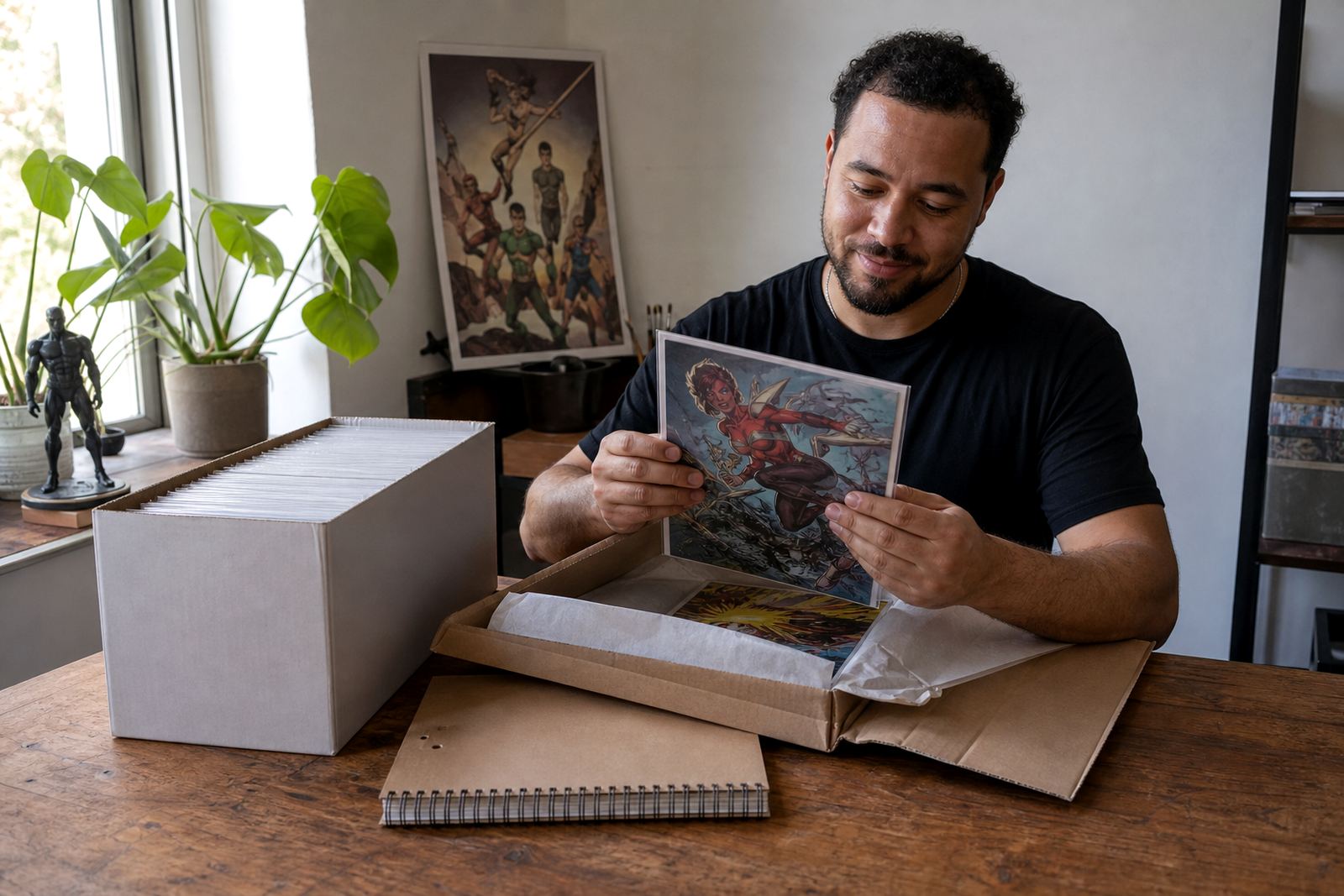
We supplied the core storage materials and laid out a labelling method that matched the way the client browses and files. The comics were grouped into clear categories, then stored in protective inner sleeves with backing boards where needed. We also specified outer cartons with a strong lid fit, so the boxes would stack neatly in a spare cupboard or storage shelf.
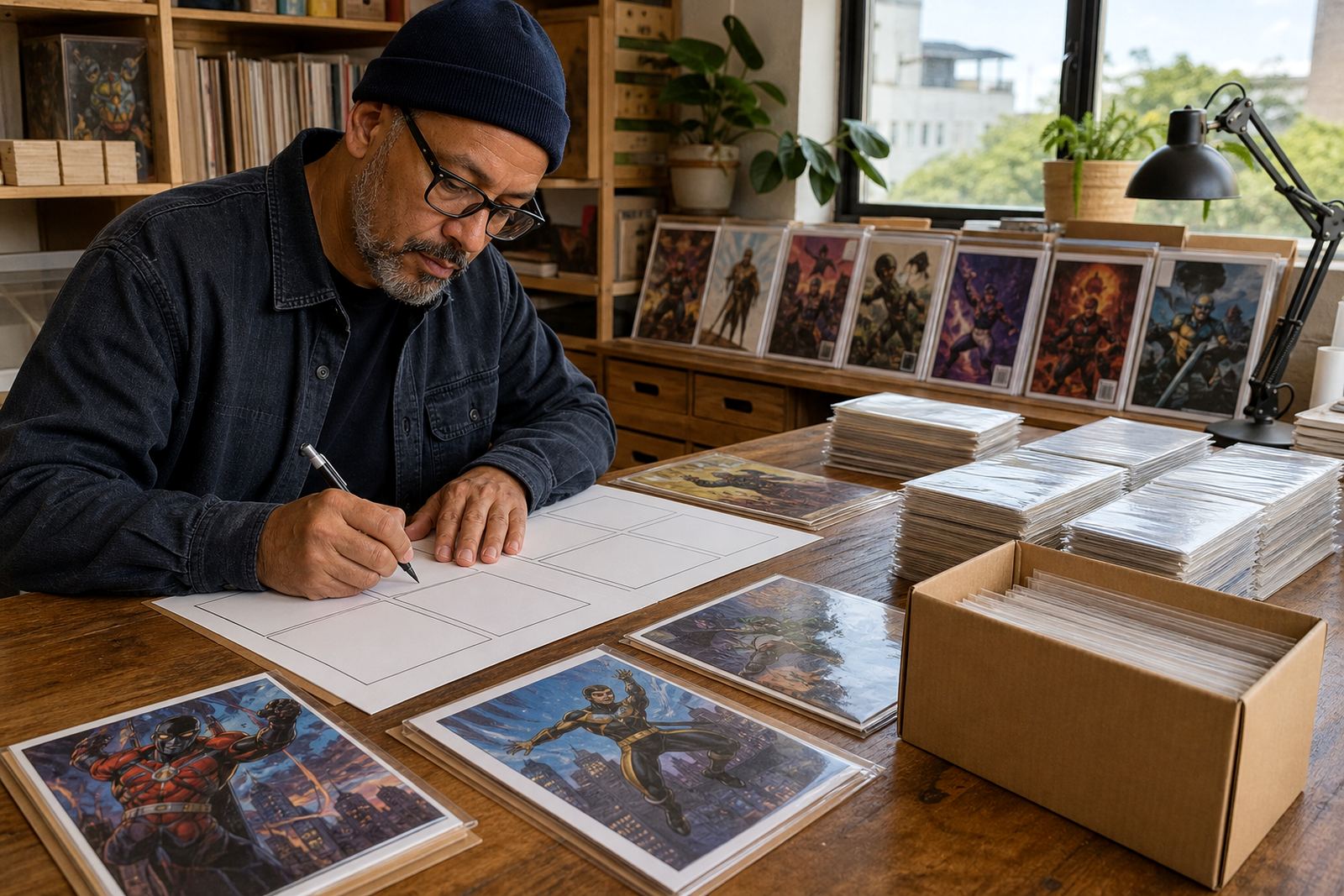
For the labels, we used a practical structure: category, series group, issue range, and condition note. The aim was not decoration, just speed and accuracy.
- Archival sleeves for comic protection
- Backing boards for flat support
- Small label sets for box ends and top edges
- Divider cards for mixed storage sections
- Clear notes for items awaiting grading or re-checking
How we handled grading prep and storage planning
The client also wanted to know how to separate reading copies from items worth keeping untouched. We gave grading guidance in plain terms, then marked out which books were suitable for pre-submission checks and which should remain in long-term storage. A few items had handling marks, light corner wear or surface scuffing, so the plan included re-sleeving and a cleaner filing sequence for those books.
This part of the project was useful because it reduced double handling. Instead of opening every box repeatedly, the collector now has a way to identify candidates for later grading or display. It also makes it easier to spot missing issues, duplicates or books that should move into a higher protection category. That kind of sorting saves time and it cuts down on unnecessary wear.
Timeline and process in weeks
- Week 1: collection review and storage audit
- Week 2: archival material selection and labelling plan
- Week 3: packing order, box mapping and final checks
Because the collector already had a good eye for detail, we could move quickly once the rules were set. The work was methodical but not complicated, and that made the result easier to maintain. A tidy system only matters if it is simple enough to keep using, especially when life gets busy and the books need to go back fast after a reading session.
Results in the home and what we would repeat
The finished setup gave the client a cleaner way to store, find and protect the collection. Boxes now carry clear labels, the comics sit flatter, and the storage order matches the way the owner thinks about the books. That means less time spent hunting for a specific issue and less risk of bending corners while searching.
If we did this sort of project again, we would use the same approach: start with the collector’s habits, keep the labelling plain, and avoid overcomplicating the storage method. For a careful collector in Pinelands, that balance works well. It handles Cape Town humidity, keeps dust under control, and still leaves room for new additions without turning the cupboard into a mess.
Shelf notes
| Client type | Methodical private collector |
|---|---|
| Town | Pinelands, Cape Town |
| Project focus | Archival storage and detailed box labelling |
| Timeline | 3 weeks |
| Key materials | Archival sleeves, backing boards, labelled storage boxes |
| Service mix | Grading Guidance, Pre-Submission Checks, Storage Planning, Collection Organisation, Safe Shipping Prep |
Name the title, issue or character you are hunting for, and our comic shop crew will help you track it down.
Contact form