

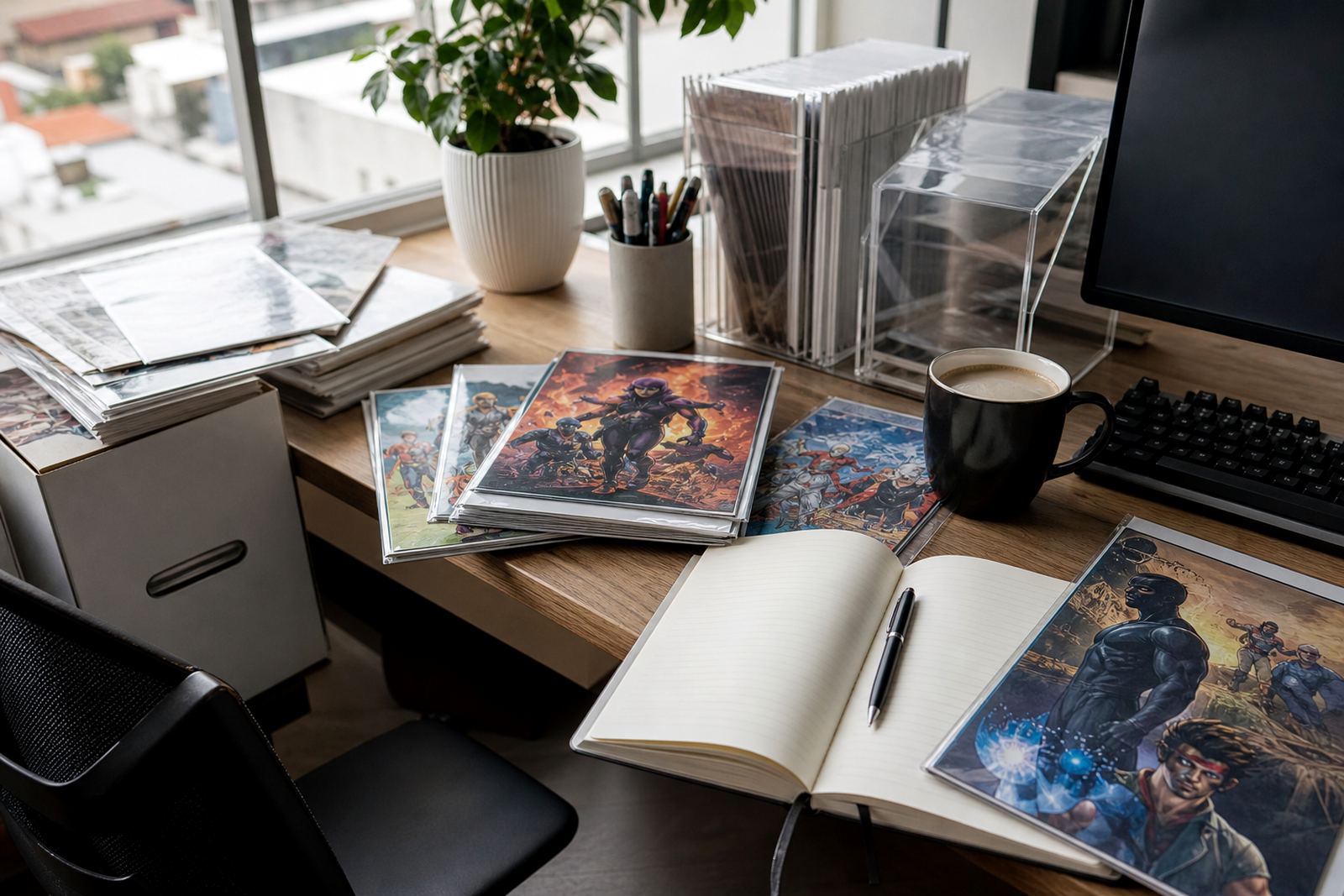

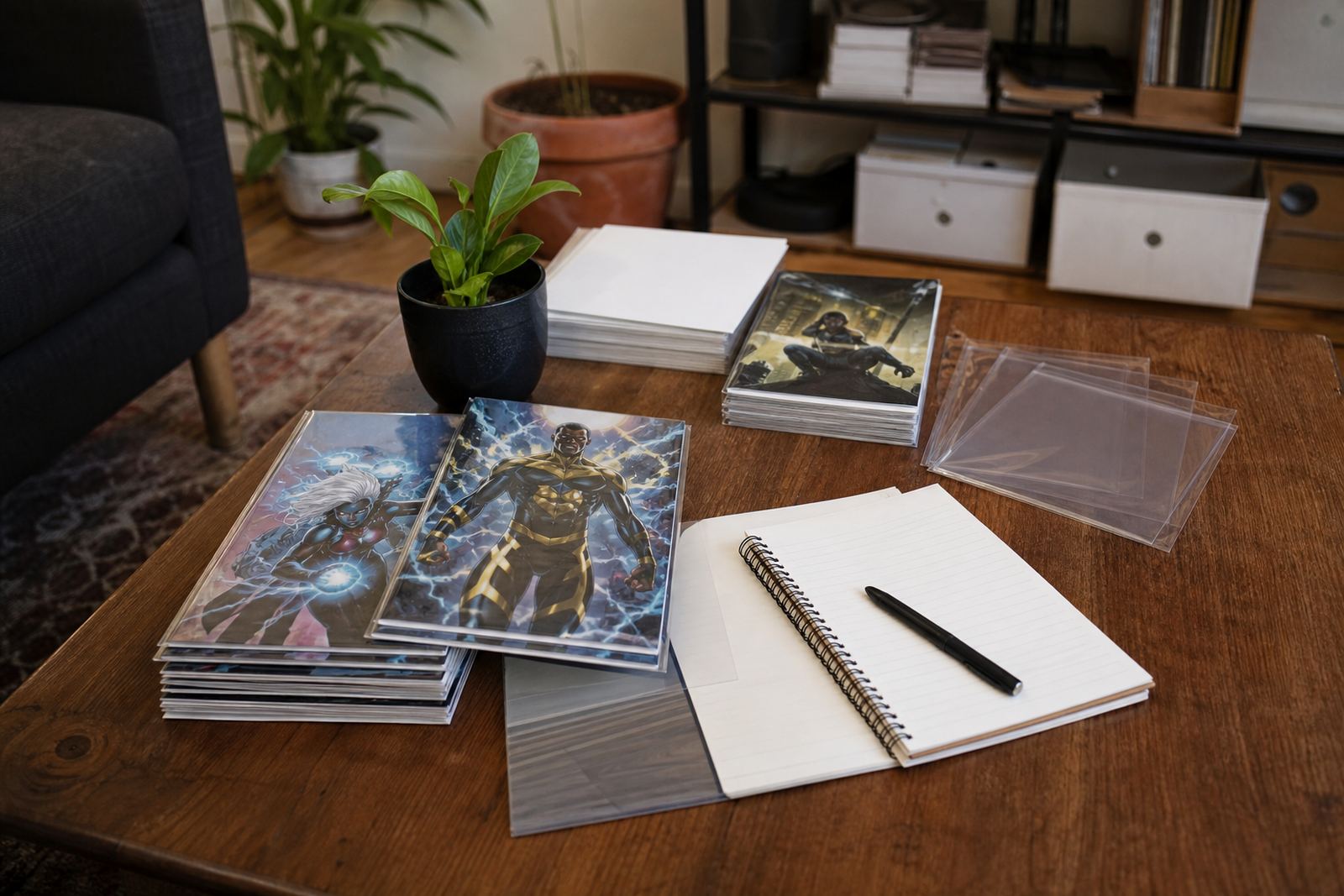

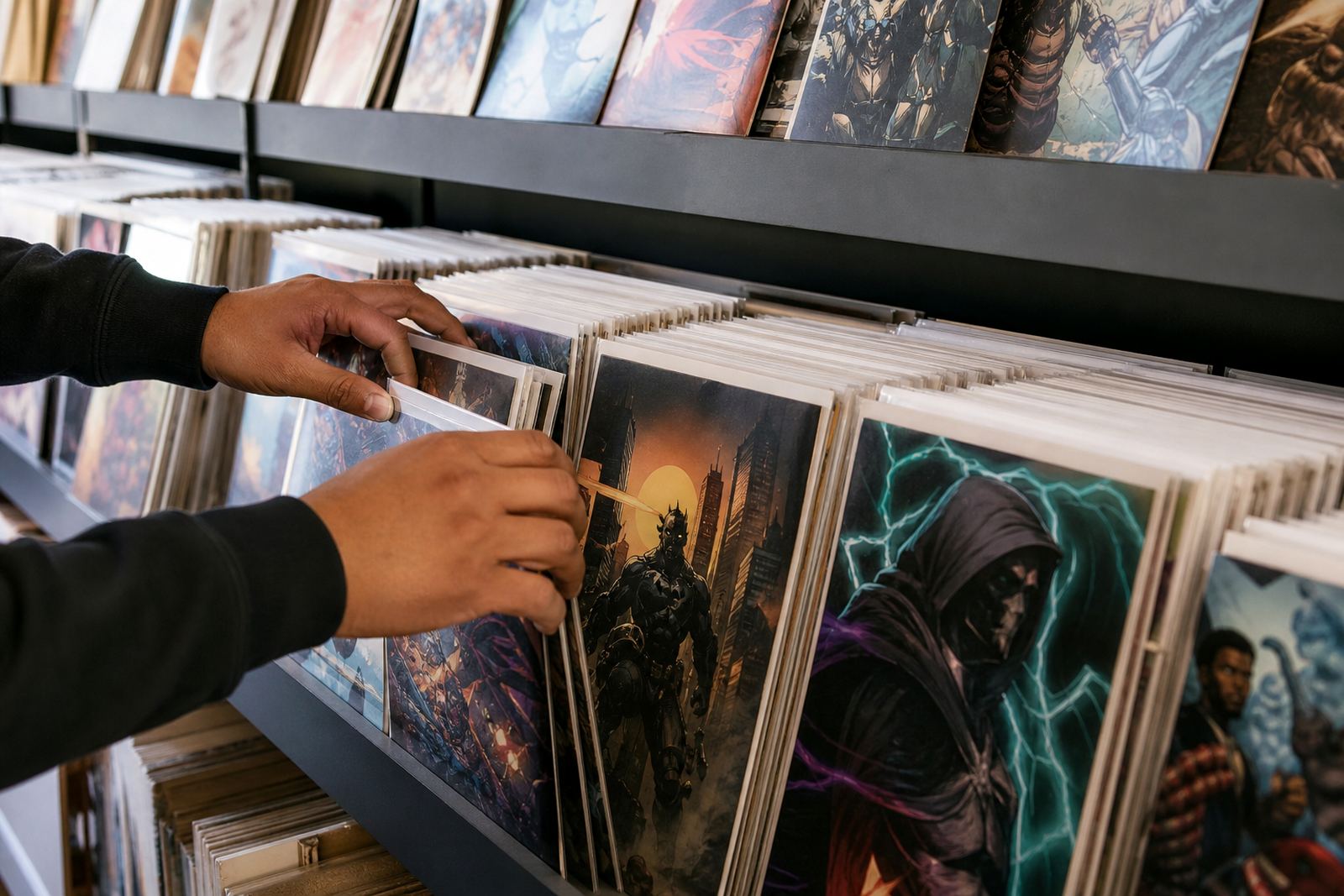
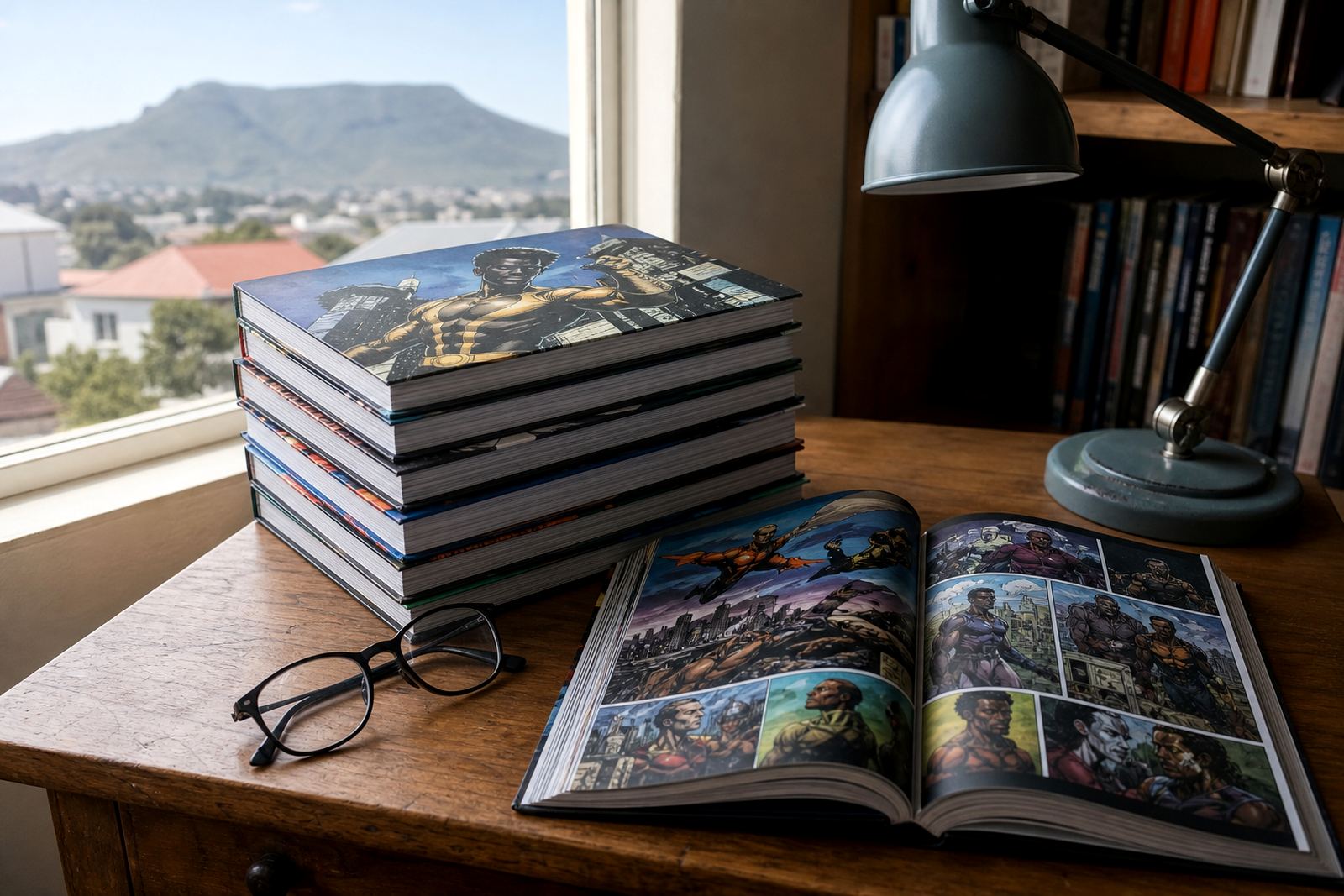











The Comics Journal for Better Collecting
Some collectors want strong story runs, others prefer one standout issue for display, and some are shopping for a gift that feels personal without being too niche.
You will find advice that fits real homes in Cape Town, Johannesburg, Durban, Pretoria and Gqeberha, with practical notes for collectors who want to avoid moisture, dust and unnecessary handling.
Good collecting starts with simple habits and the right questions.
How to use the journal for buying and gifting
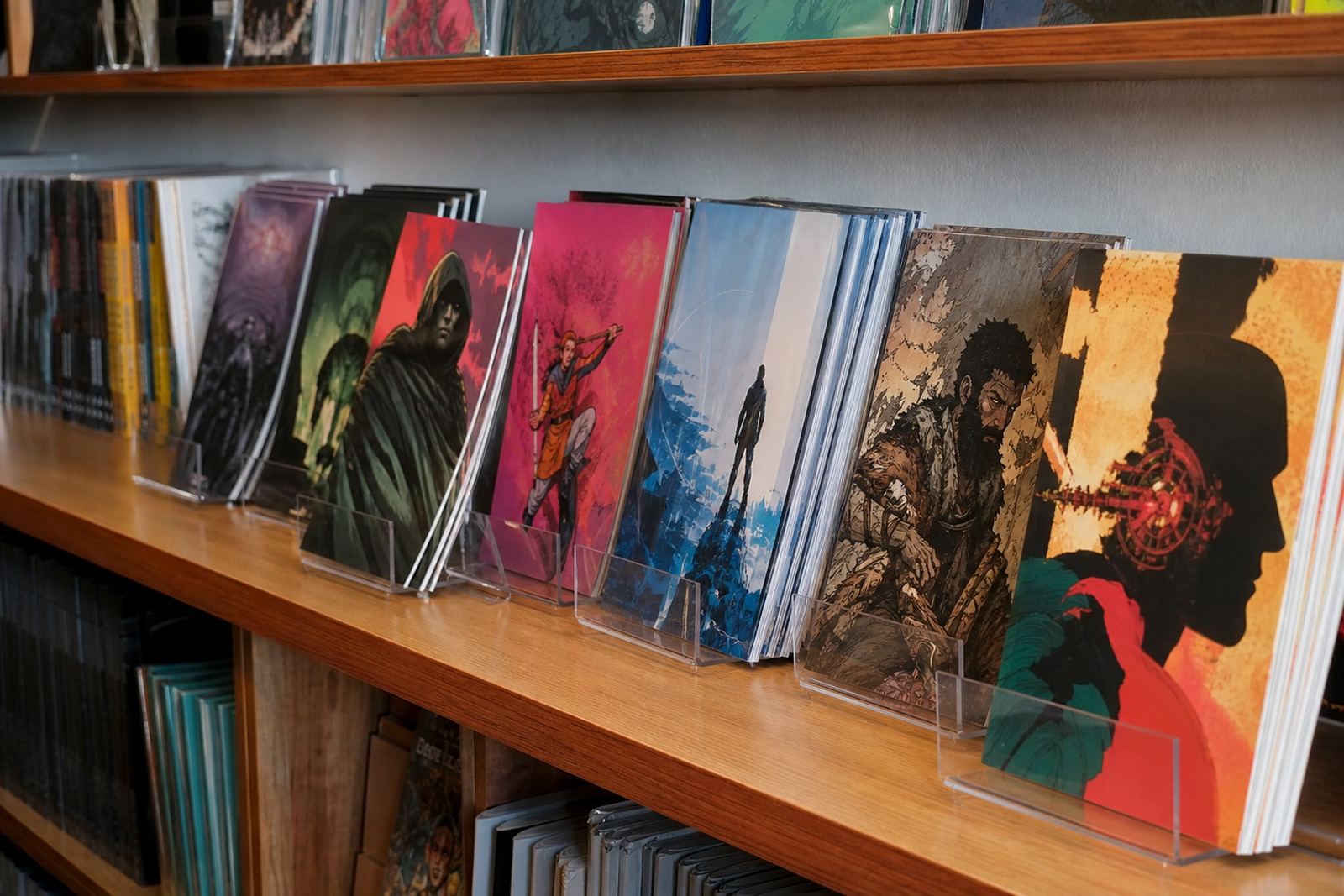
The journal is arranged to help you compare options before you place an order or send a gift. Some articles focus on general reading, while others explain how to choose collectables for a new shelf, a counter top display, or a protected storage box. If you are buying for someone else, the right choice often comes down to whether they read for fun, collect for value, or enjoy character art and limited display pieces.
- Use reading guides to find comics that suit a casual reader
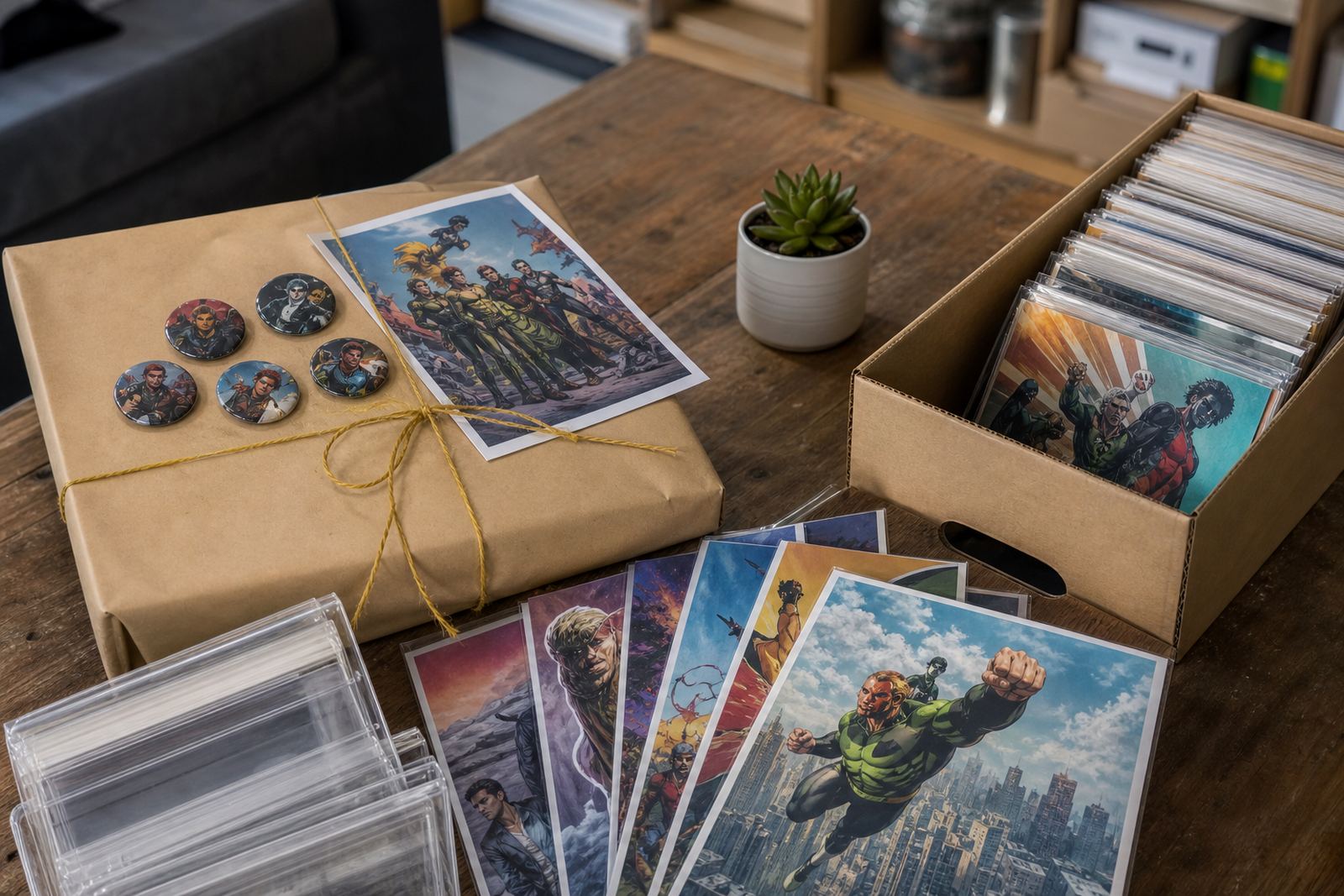
- Check gift articles when you need something personal but easy to post
- Look at collectables notes if the recipient already keeps items in sleeves or boxes
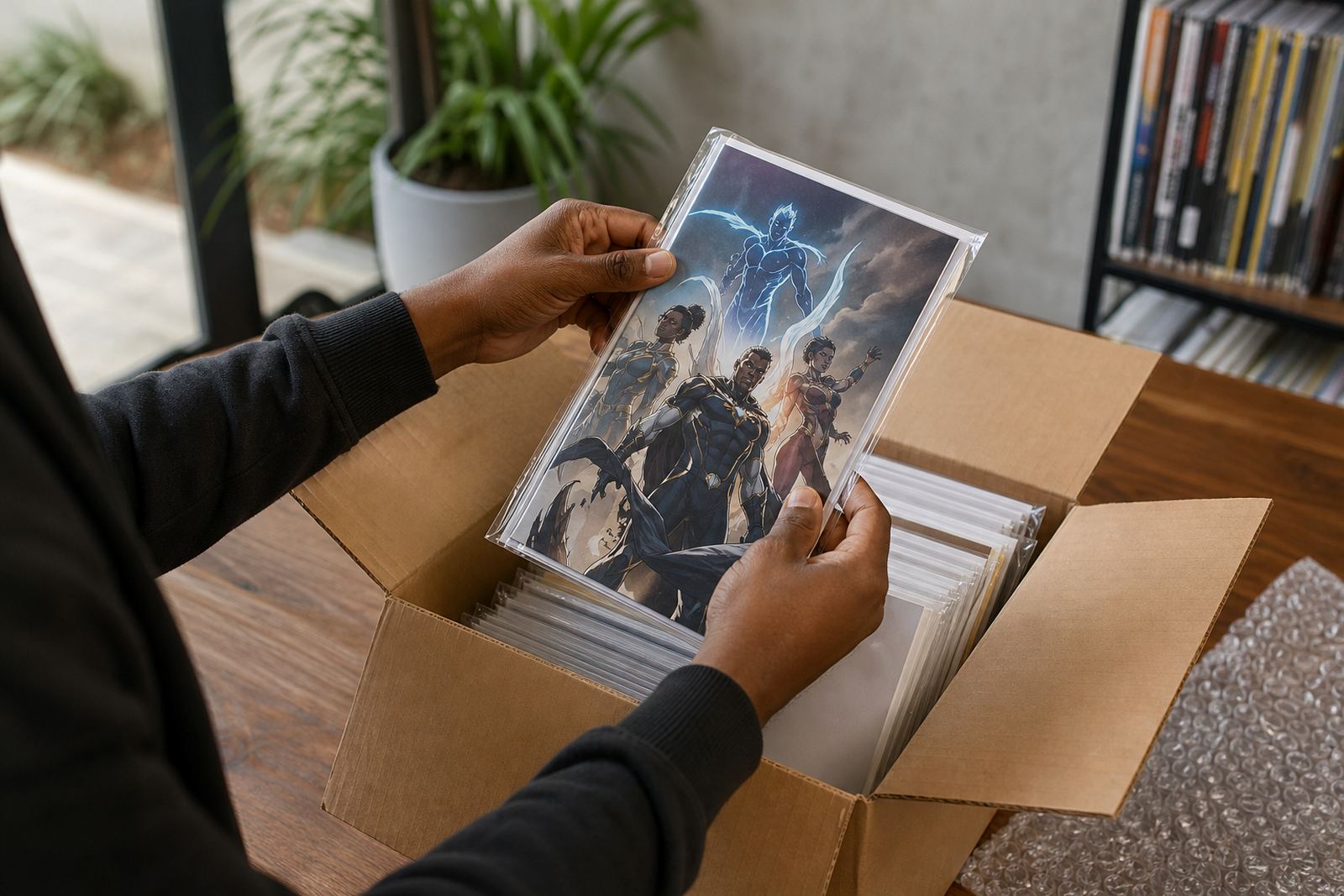
- Use storage tips if the item will travel by courier or sit in a warm room
There is no single correct way to enjoy comics. A good gift is one that matches the person’s pace, space and habits, not just the look of the cover.
Collecting habits that suit South African homes
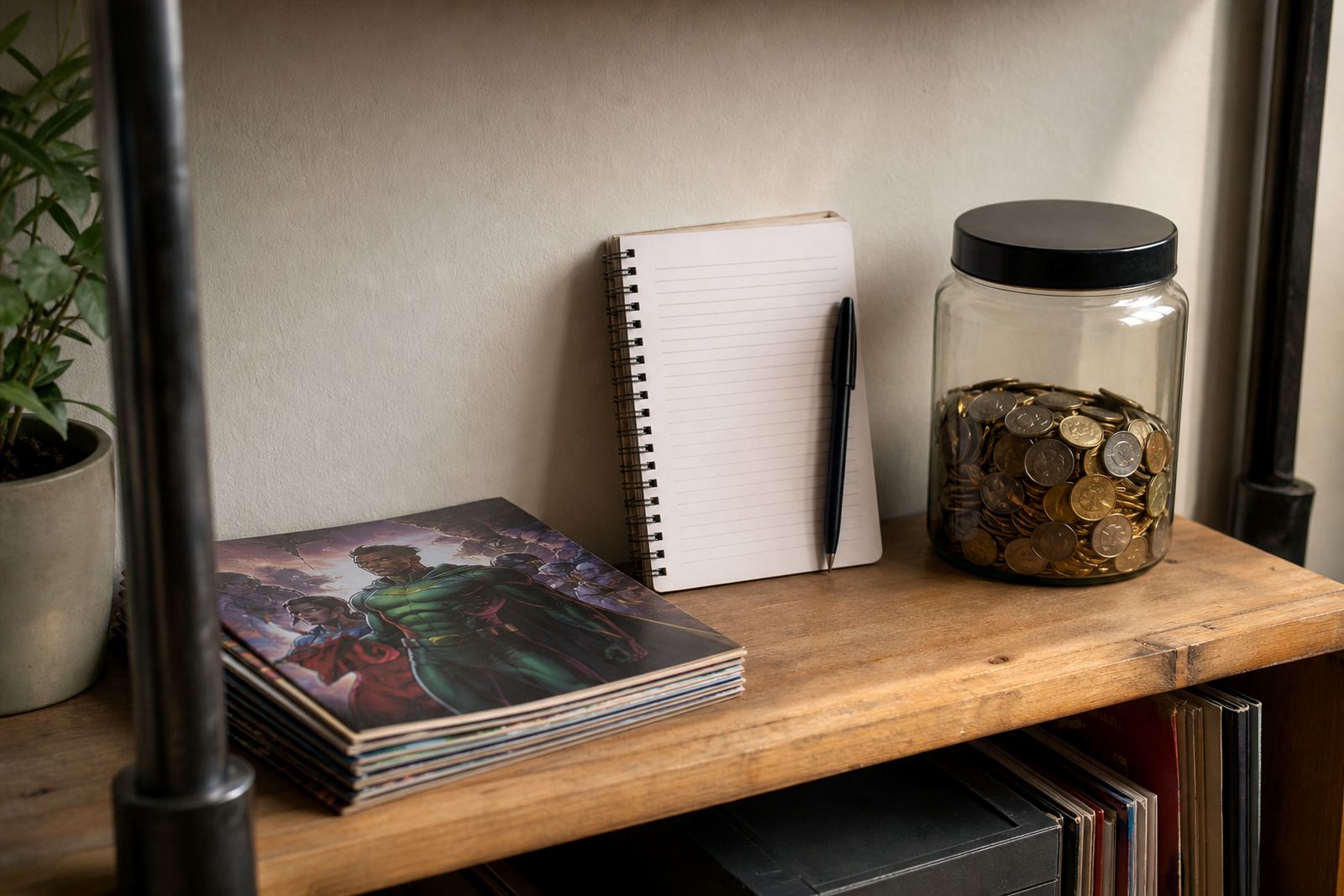
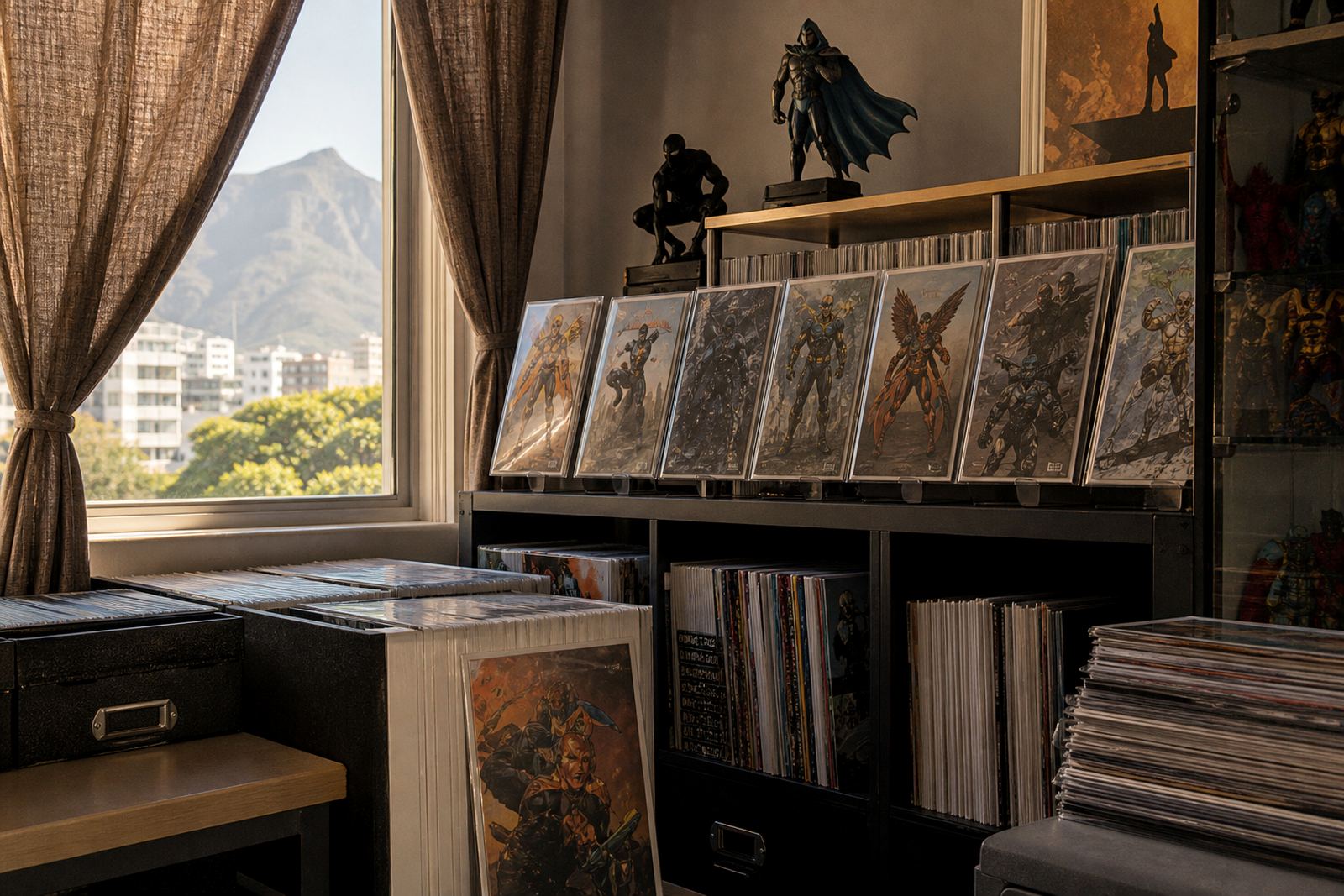
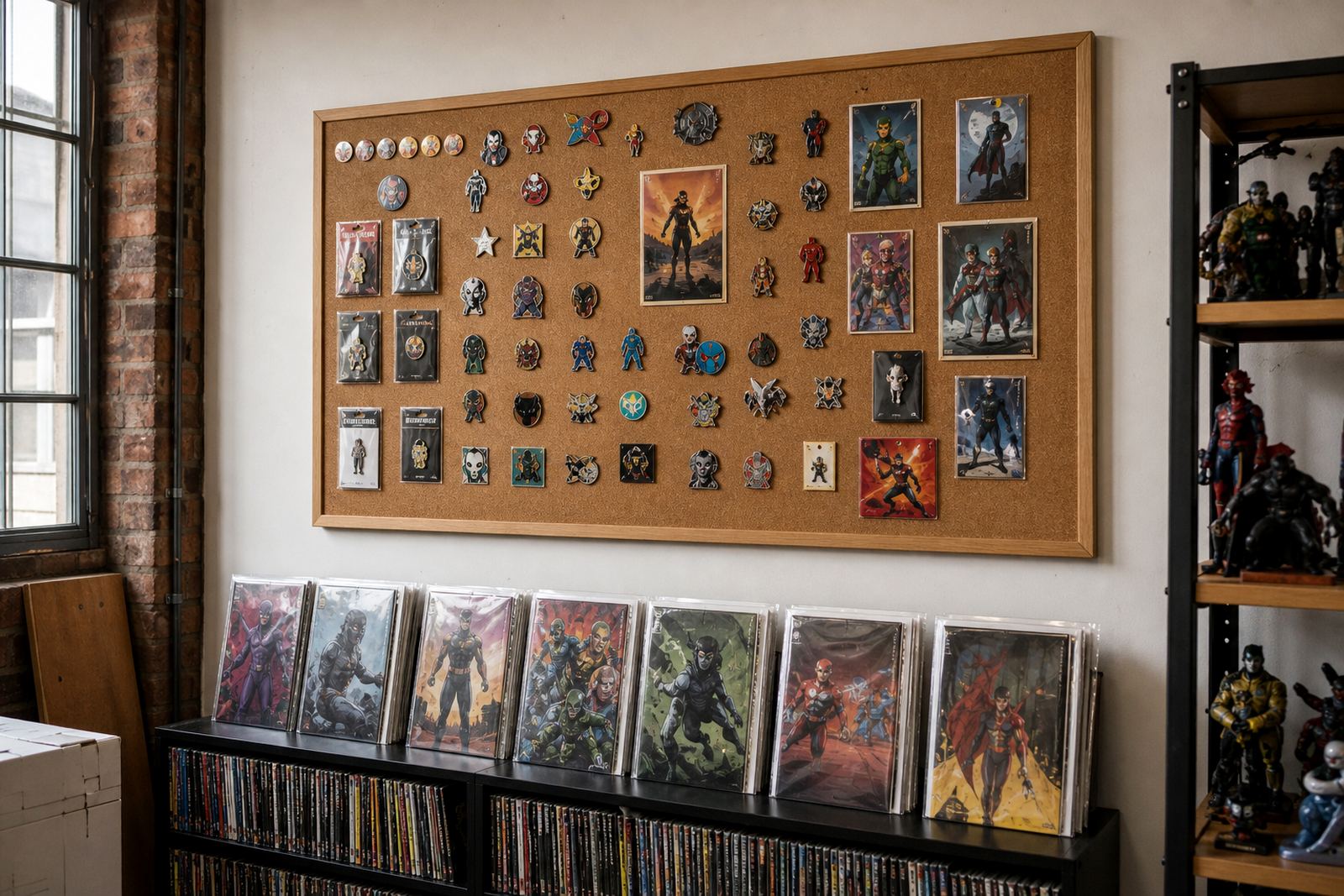
Collecting works best when it fits the space you actually have. In many South African homes, shelves share space with books, games and family items, so it helps to set a simple plan. Some collectors keep a short run of favourites, while others focus on one type of hero, one art style, or one format that is easy to store and revisit.
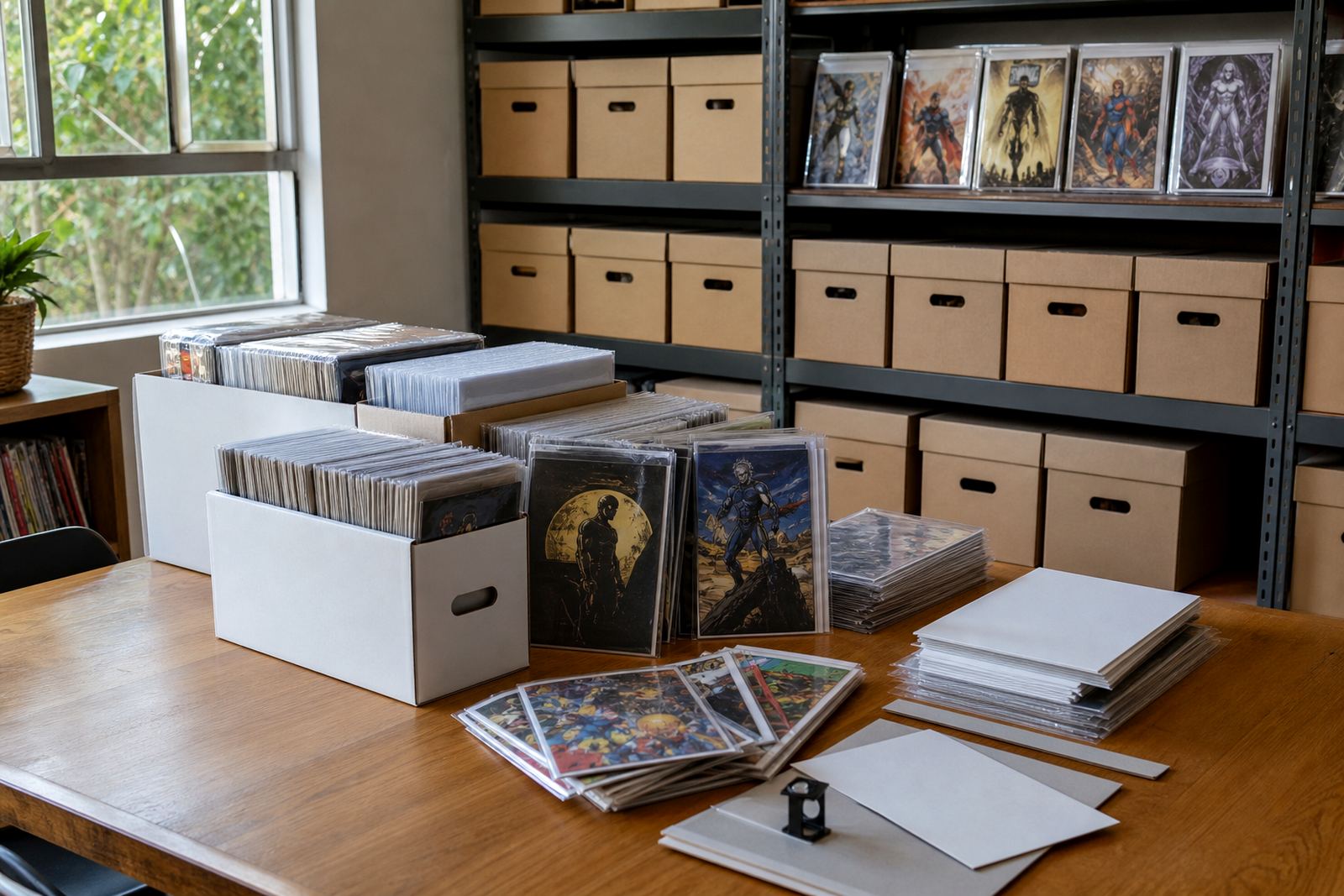
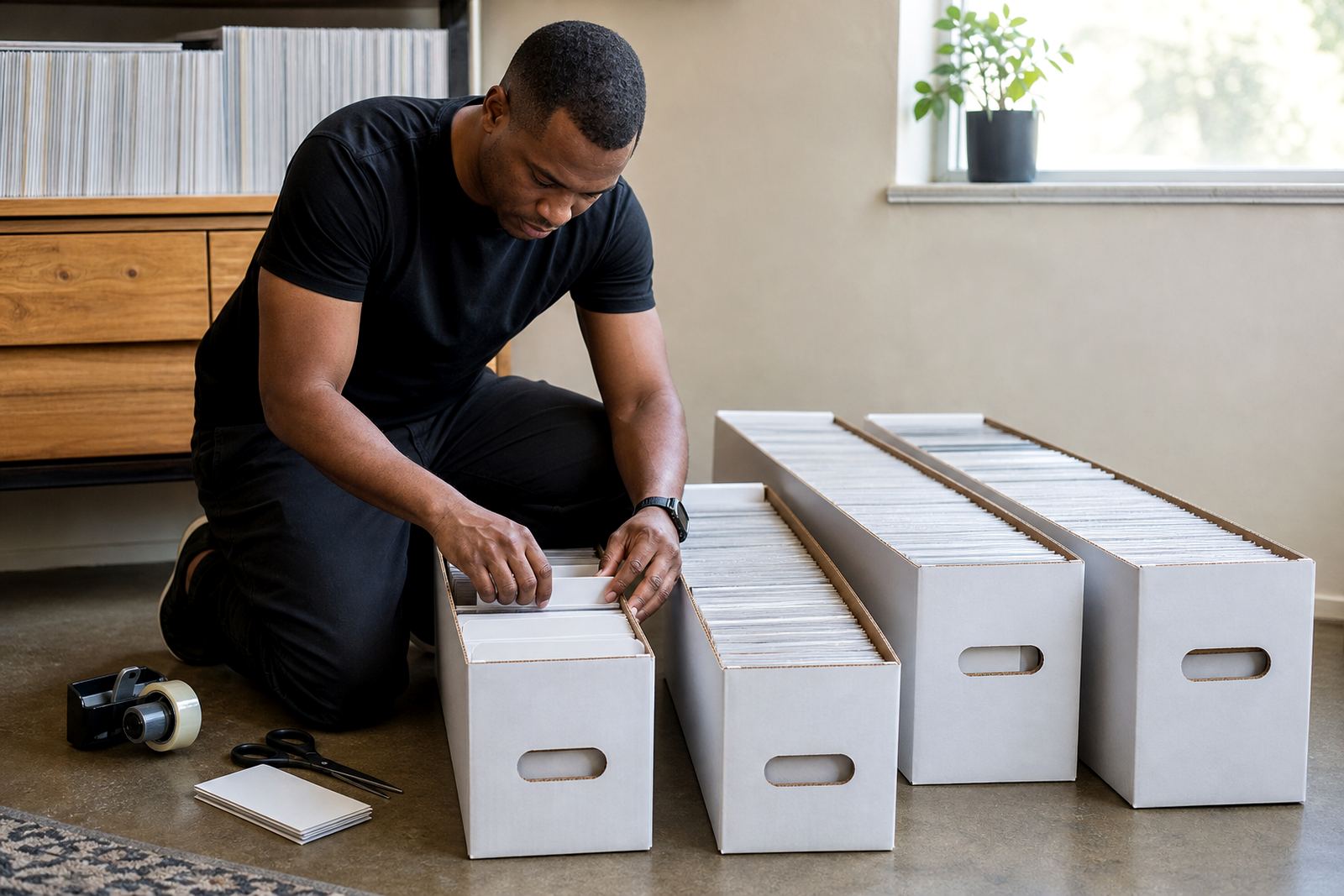
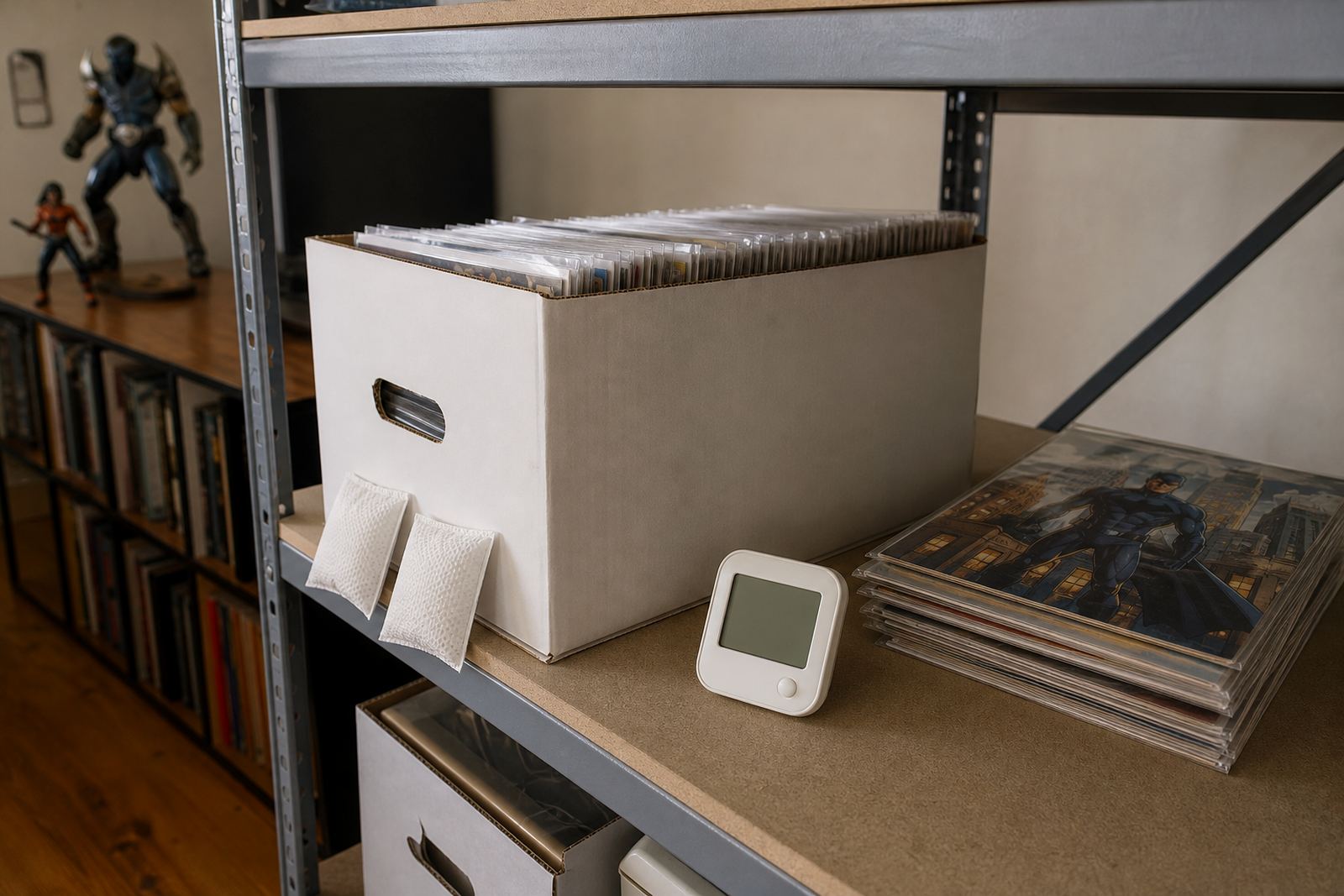
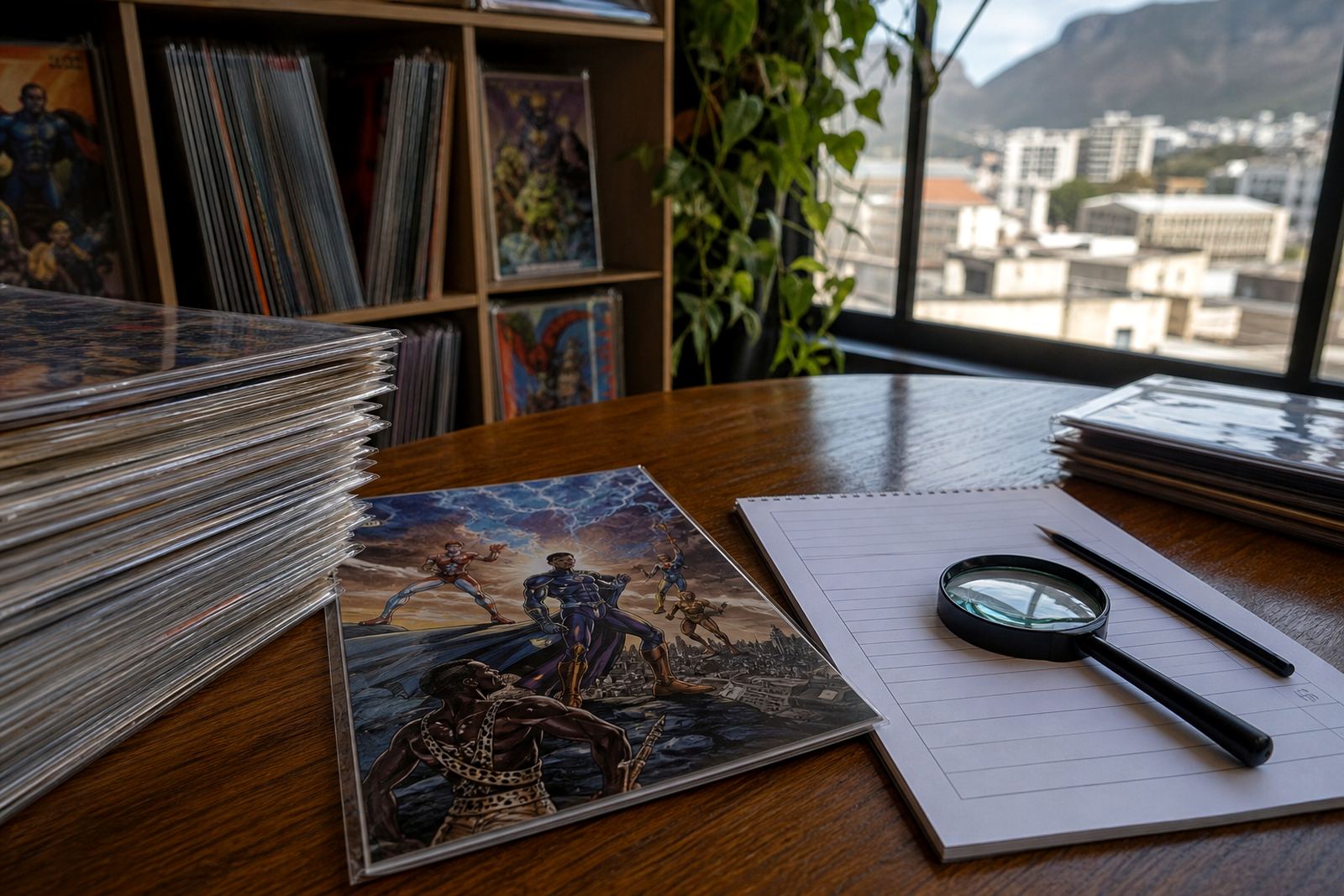
A cool dry cupboard, a closed shelf, or an archival box can be a better choice than an open window ledge. Keep comics flat if needed, and avoid stacking them under heavy objects that can bend corners or spine edges.
Storage, display and everyday care
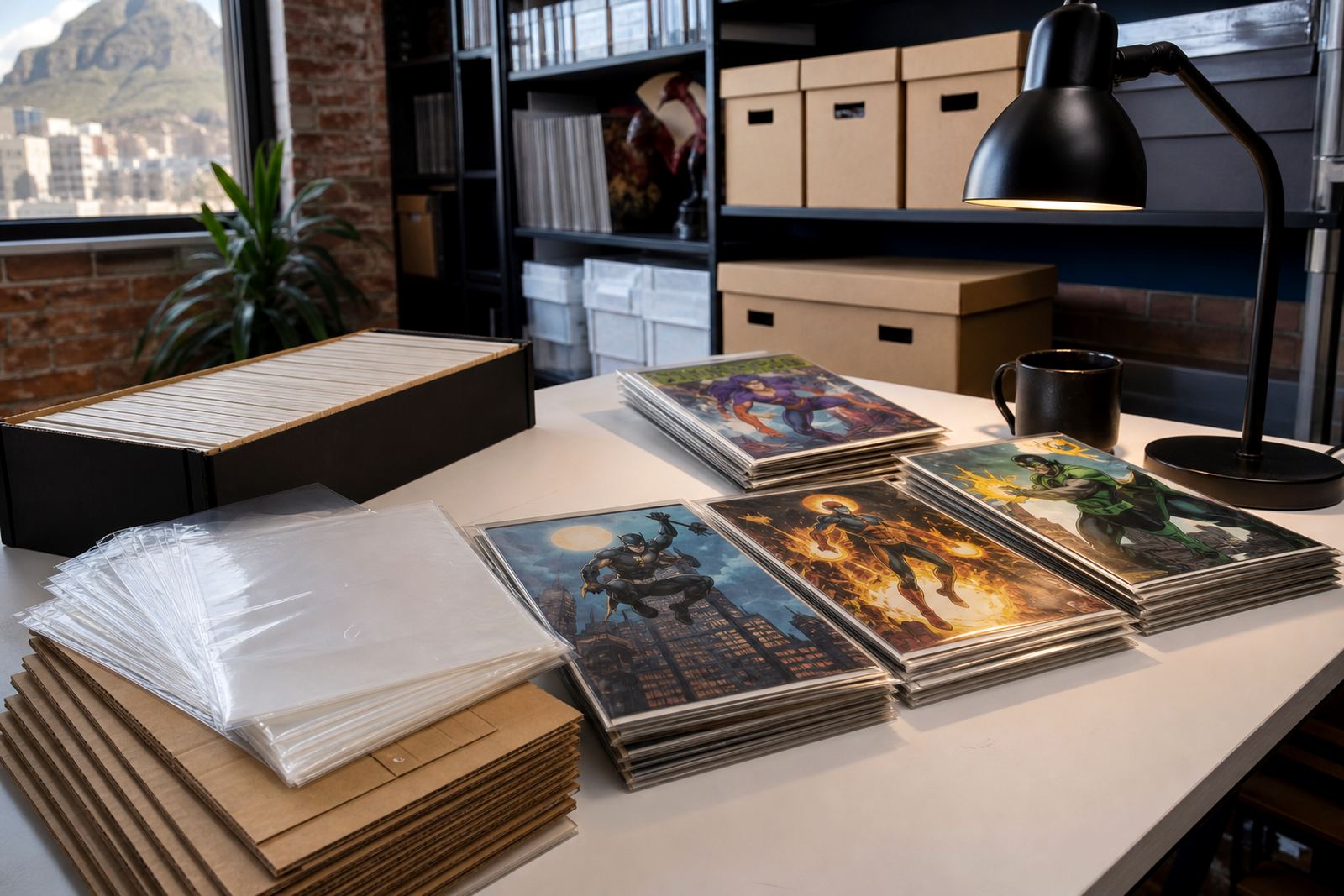
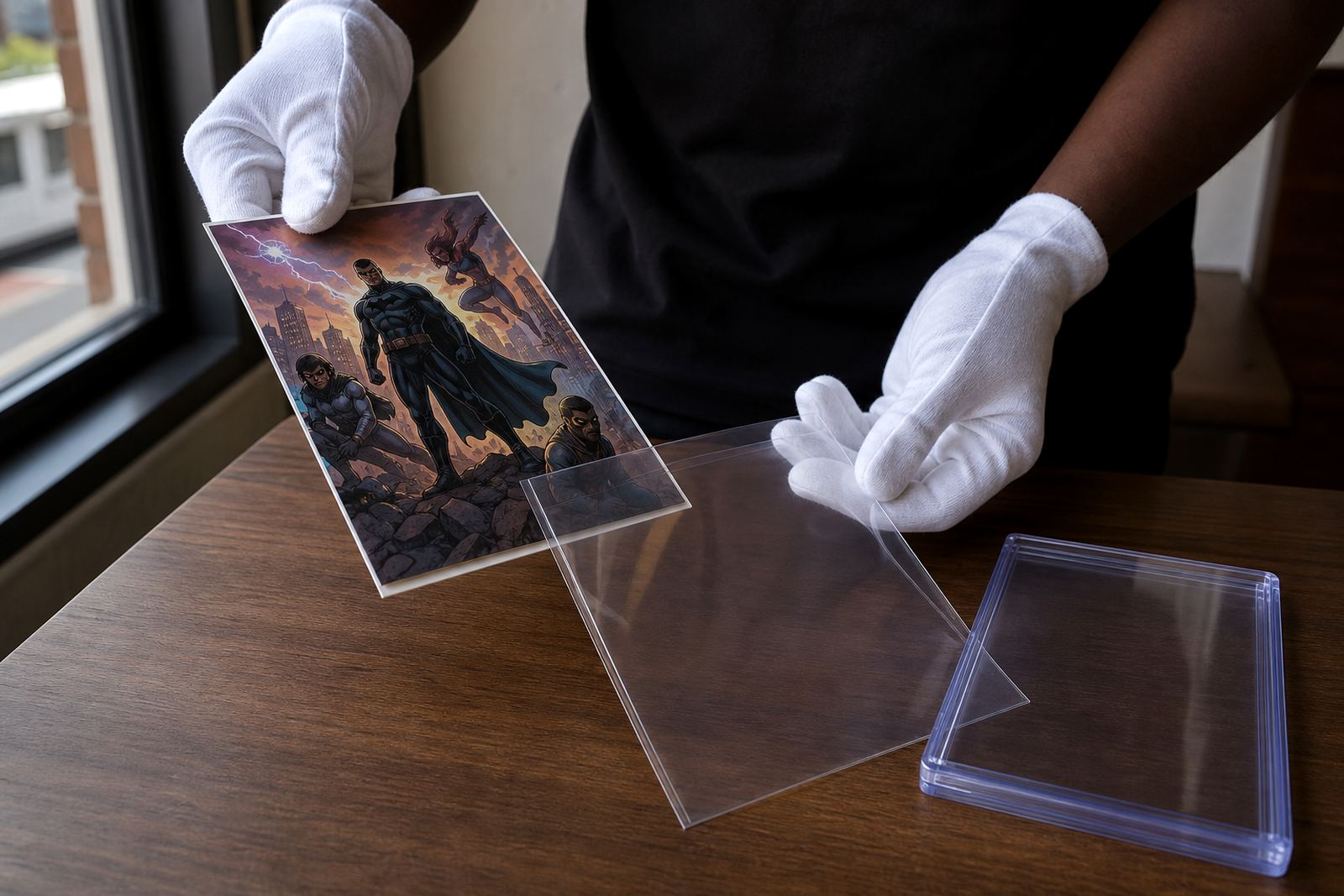
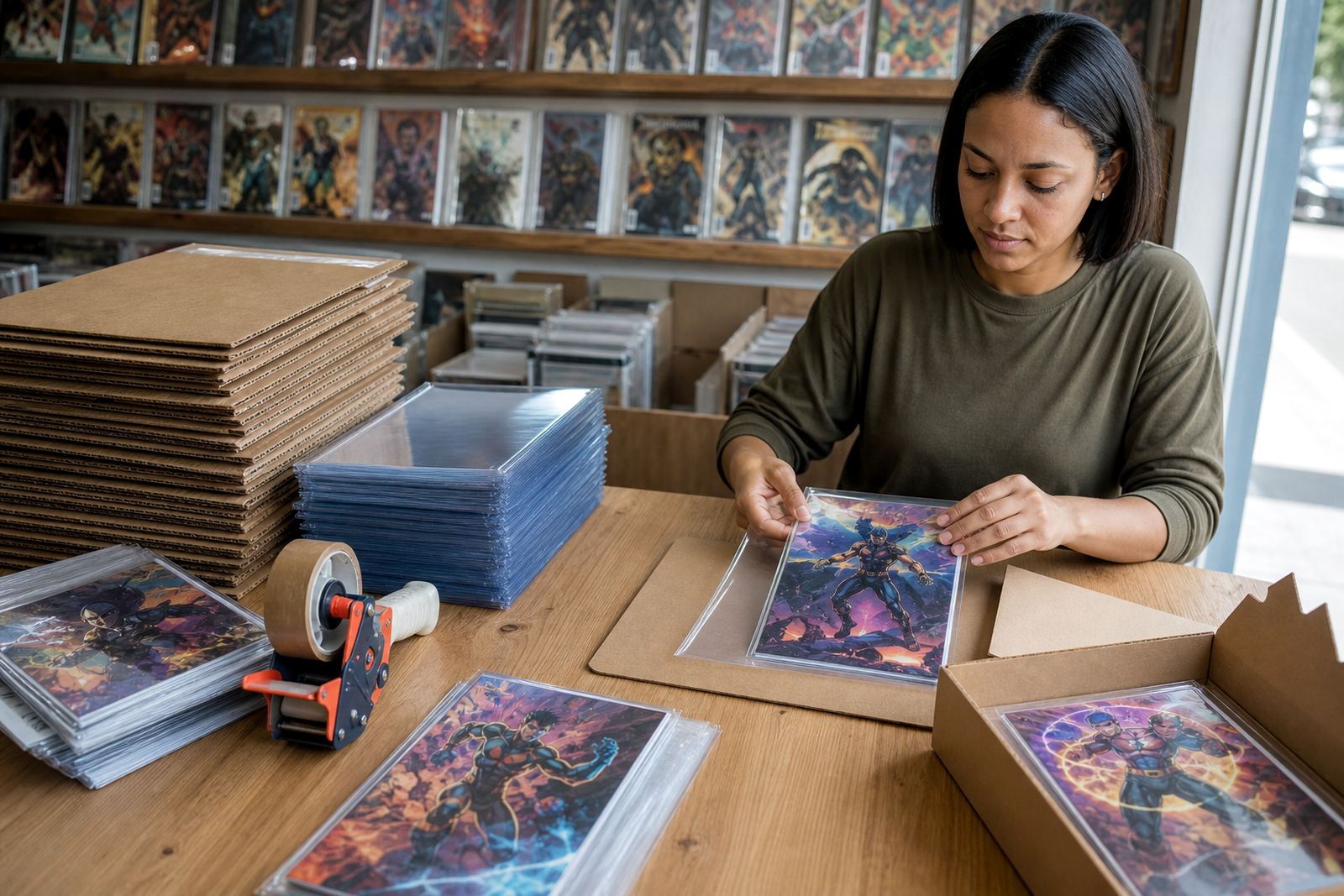
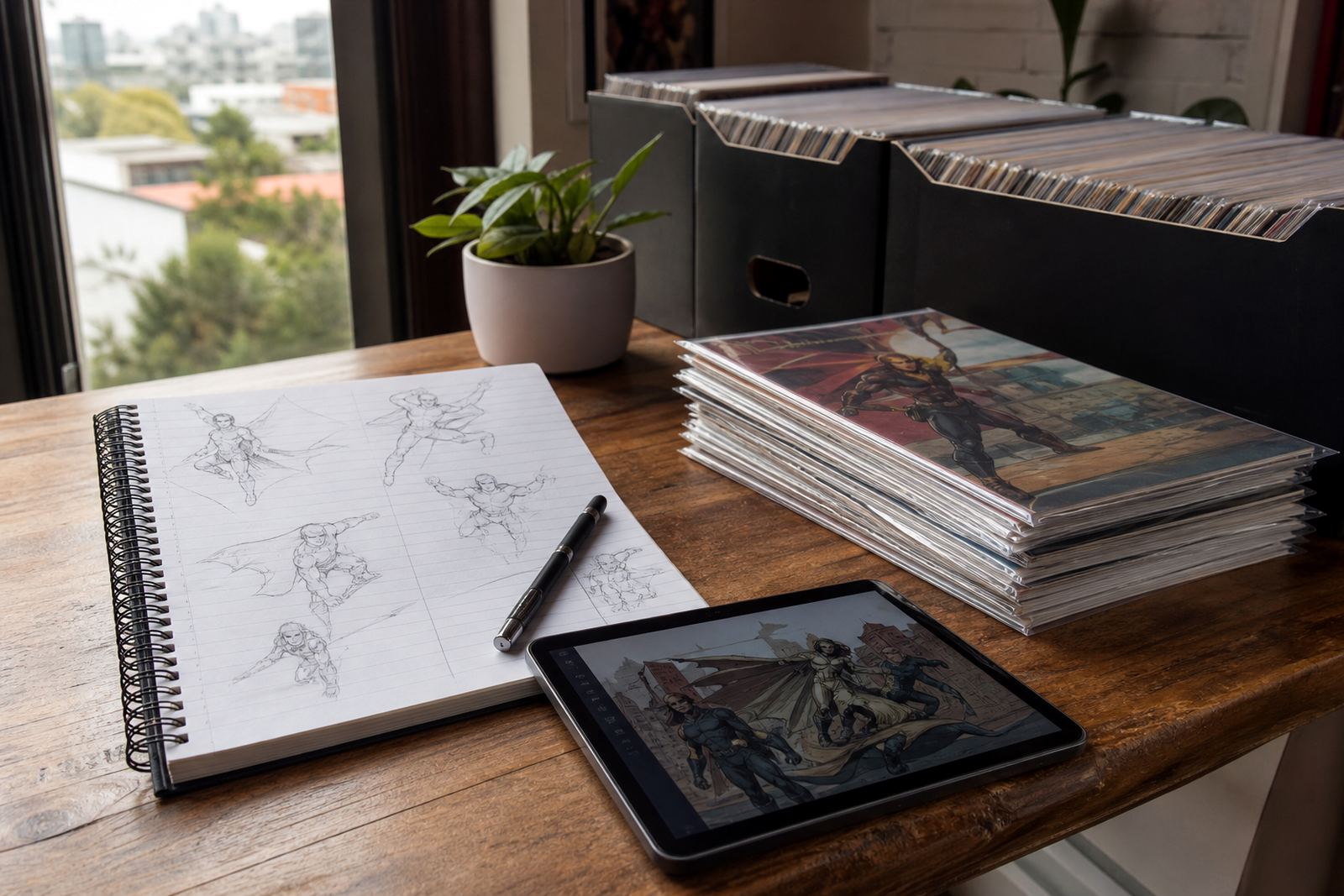
For most comic collectors, solid storage is usually more about consistency than complexity. For most collectors, the main aim is to keep pages clean, flat and dry. That means using sleeves where needed, storing items away from sunlight, and handling them with clean hands. If you display a few favourites, rotate them now and then so the same issue is not exposed to light for months on end.
- Store comics upright or flat, depending on the size and packing method
- Keep them away from damp walls and unsealed garages
- Use acid-free materials when possible for long term care
- Leave space between displayed items so air can move around them
For coastal areas, moisture control matters even more, and a small dehumidifying product or dry storage box can help. In inland cities, dust and heat are often the bigger issue, so regular checking goes a long way. A few simple habits now can save damage later.
Grading basics and pre-submission checks
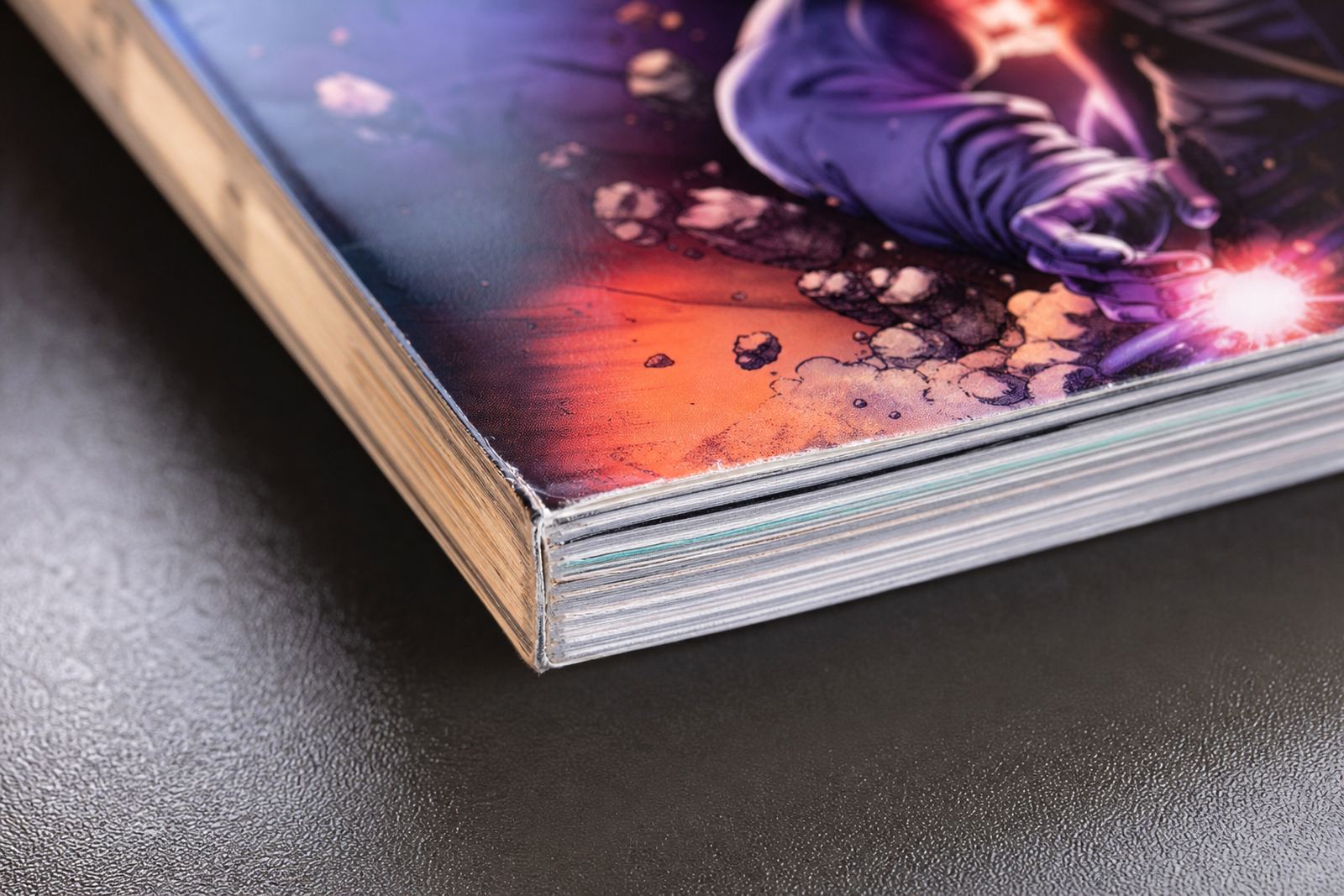
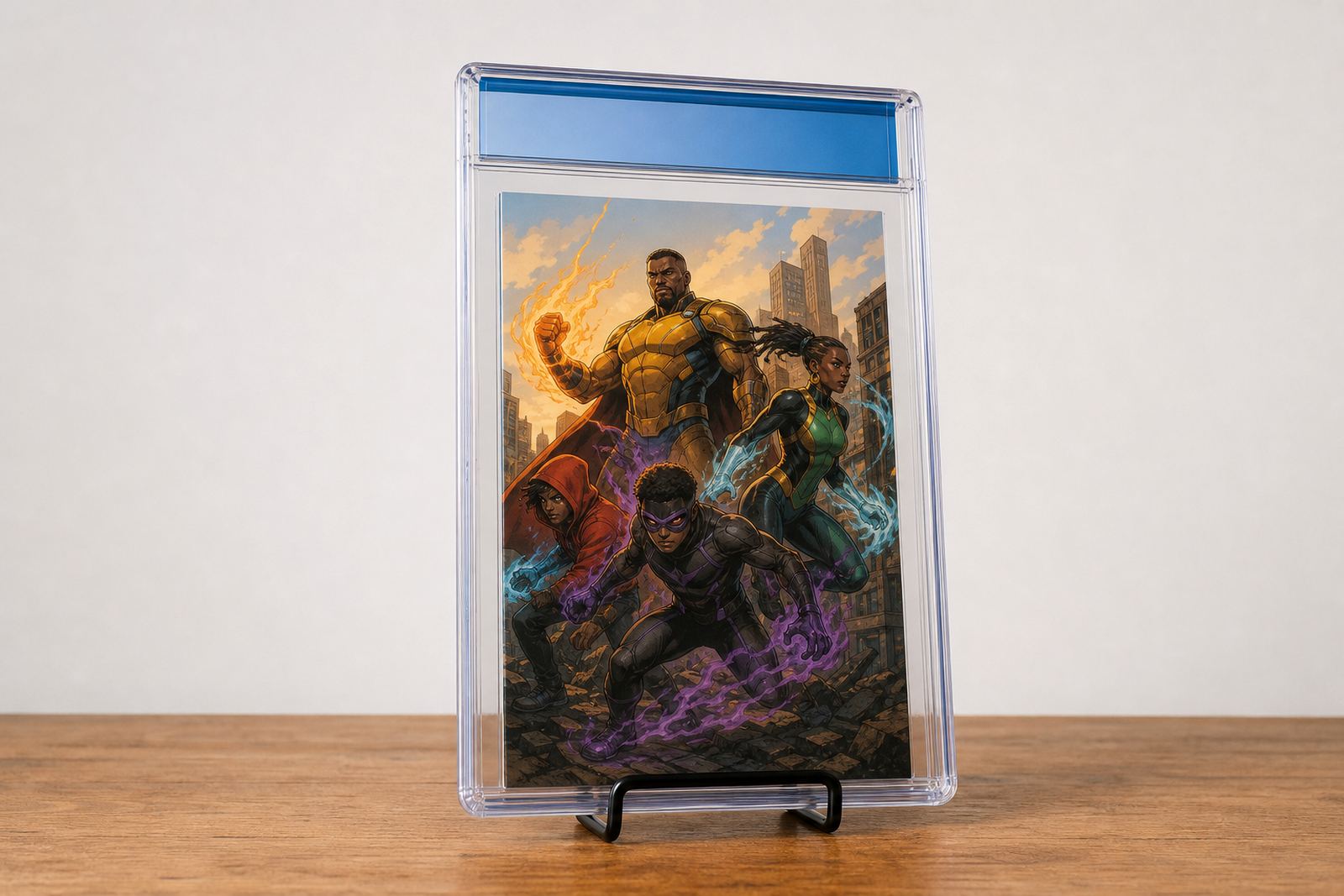
Grading can be useful when you want a clear view of condition, especially for older issues, special editions, or gifts that should remain in top shape. This journal explains grading in practical terms rather than technical jargon, so you can understand what collectors look for and what might reduce value. Corners, spine wear, page colour and surface marks all matter, but the overall look and handling history count too.
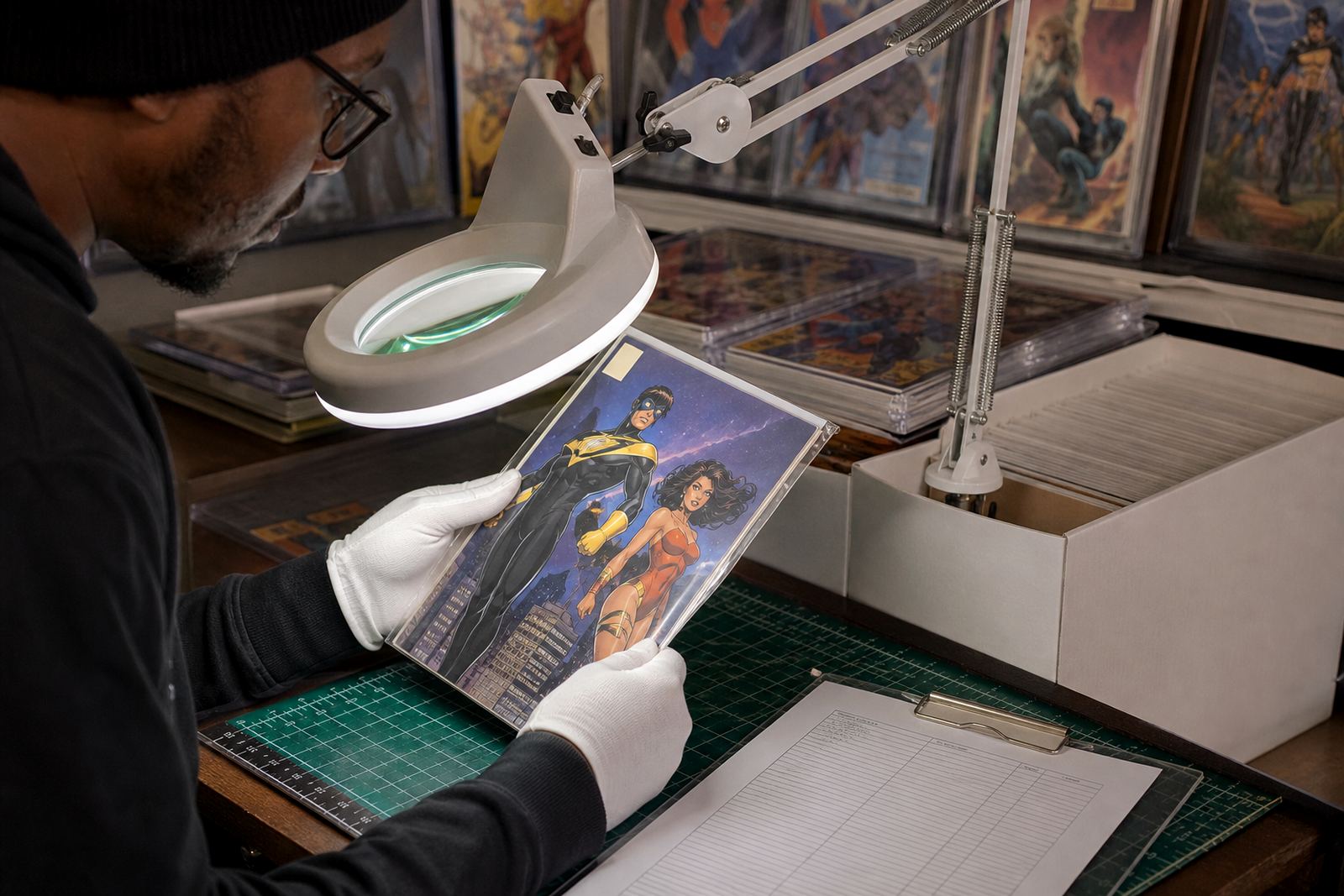
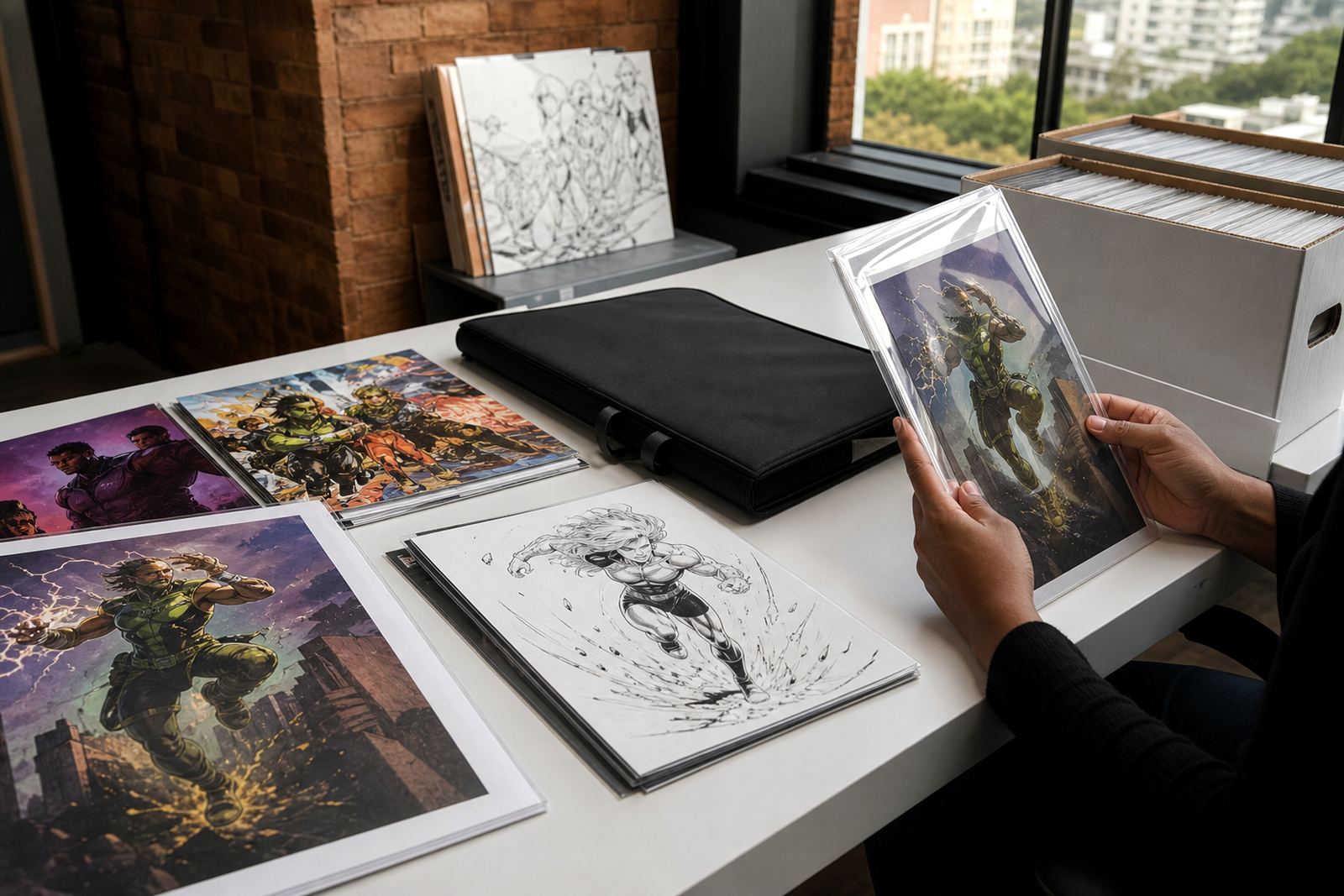
Before sending an item for grading, it helps to do a careful check at home. Look for tears, moisture spots, writing, loose pages and pressure marks. If you are unsure, a gentle pre-submission check can save time and prevent avoidable issues. Do not try to clean or press something risky without checking first, because a light touch is usually better than a rushed fix.
Local culture, events and collector conversations
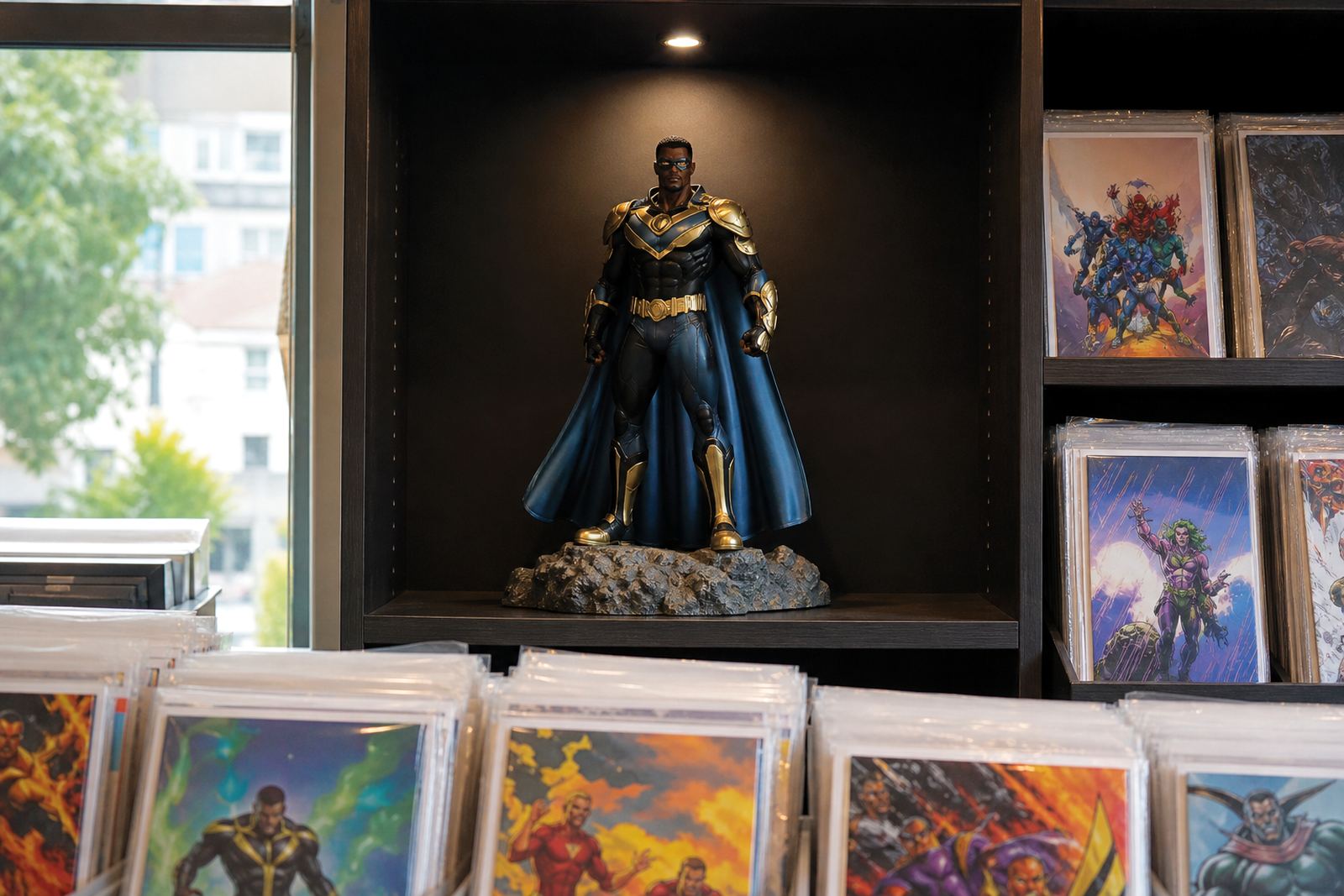
Comics are not only about the item itself, but about the conversations around them. Local fans often enjoy discussing character design, homegrown storytelling, and the way South African settings appear in original superhero worlds. That interest shows up in market days, fan meet-ups, school visits and collector chats, where people compare what they read as children with what they collect now.
We also use this journal to share ideas for event packs, display planning and subscription curation. If you are building a themed gift, starting a small collection, or organising a community table, these articles can help you choose pieces that fit the occasion. The aim is simple: make local comic enjoyment easier to understand and easier to pass along.
Name the title, issue or character you are hunting for, and our comic shop crew will help you track it down.
Contact form