
What Hero Patches are and why collectors use them
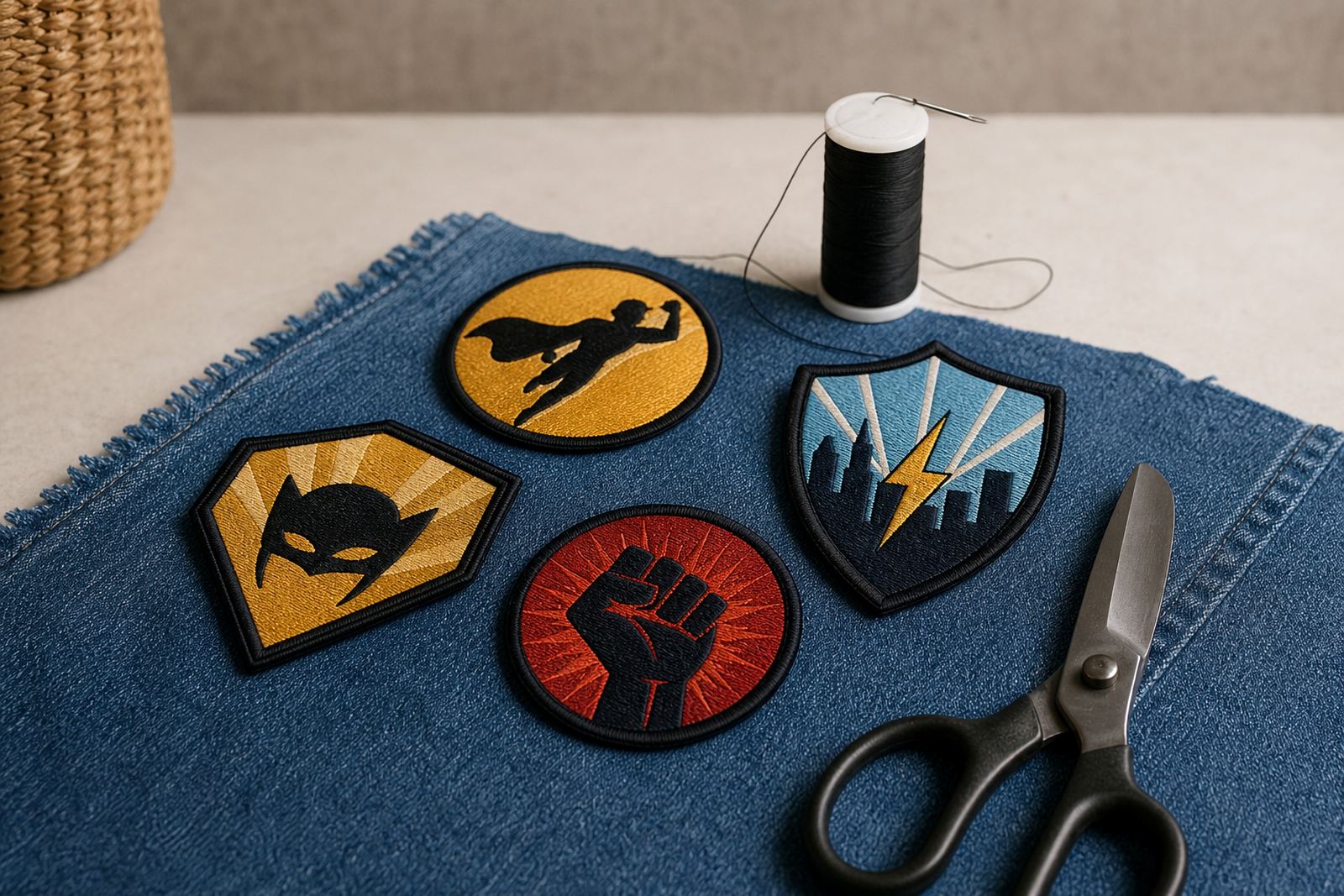
Hero Patches are embroidered fabric patches made for fans of local superhero comics and collectables. They are a neat way to add character to everyday items, whether you want to mark a jacket, personalise a bag, or build a themed display board for a collection room or market table. The stitched finish gives the patch texture and depth, and it works well with bold artwork that reads clearly from a short distance.
You can keep them loose in a storage sleeve, sew them on permanently, or use a removable backing if you like to change your setup from time to time. They also suit gift boxes and event packs when you want something local, practical and small enough to post without fuss.
These patches are made for general use around clothing and display surfaces, but they are especially handy in humid coastal areas where some paper items need extra protection. A patch can be stored flat, handled often and still keep its shape if you look after it properly. It's a simple product, but it gives a collection a bit more personality.
Simple to fit, easy to store, and made for local comic fans.
Sizes, backing options and common finish choices
Hero Patches are usually chosen by size, edge finish and backing type. Smaller patches suit caps, chest areas and slim bag straps, while larger patches work better on jackets, tote bags, storage boxes and notice boards. If you are planning a display wall, a larger patch can sit well beside sleeves, graded items or framed comic art and help tie the theme together.
Most buyers look at the backing first. Sew-on backing gives the most permanent hold. Iron-on backing is useful on sturdy fabric, though it needs careful heat control and a flat surface. Hook-and-loop backing is best when you want to move the patch between items or use it on a display board. Adhesive backing can help for temporary placement, but it is not the best choice for clothing that gets washed often.
Common finish choices include a clean embroidered border, tight stitching for a sharper outline, and layered thread colours to bring out costume details. If you are ordering as a gift or for event kits, smaller patches are easier to post and store. If you want a statement piece for a collector wall, go larger and keep the artwork simple enough to read at arm's length.
- Small patches suit caps, pouches and sleeve panels
- Medium patches work well on jackets and tote bags
- Large patches suit display boards and collector spaces
- Sew-on, iron-on, hook-and-loop and adhesive backing options may be considered
Where Hero Patches suit in the home, store or event table
These patches suit many practical collector spaces. In a bedroom or study, they can be pinned to a fabric board or sewn onto a jacket on a hanger. In a retail setting or event stall, they make good impulse buys because customers can see the artwork quickly and understand the use right away. For clubs, schools and community events, they can be included in welcome packs or prizes for comic days, fan meetups and local markets.
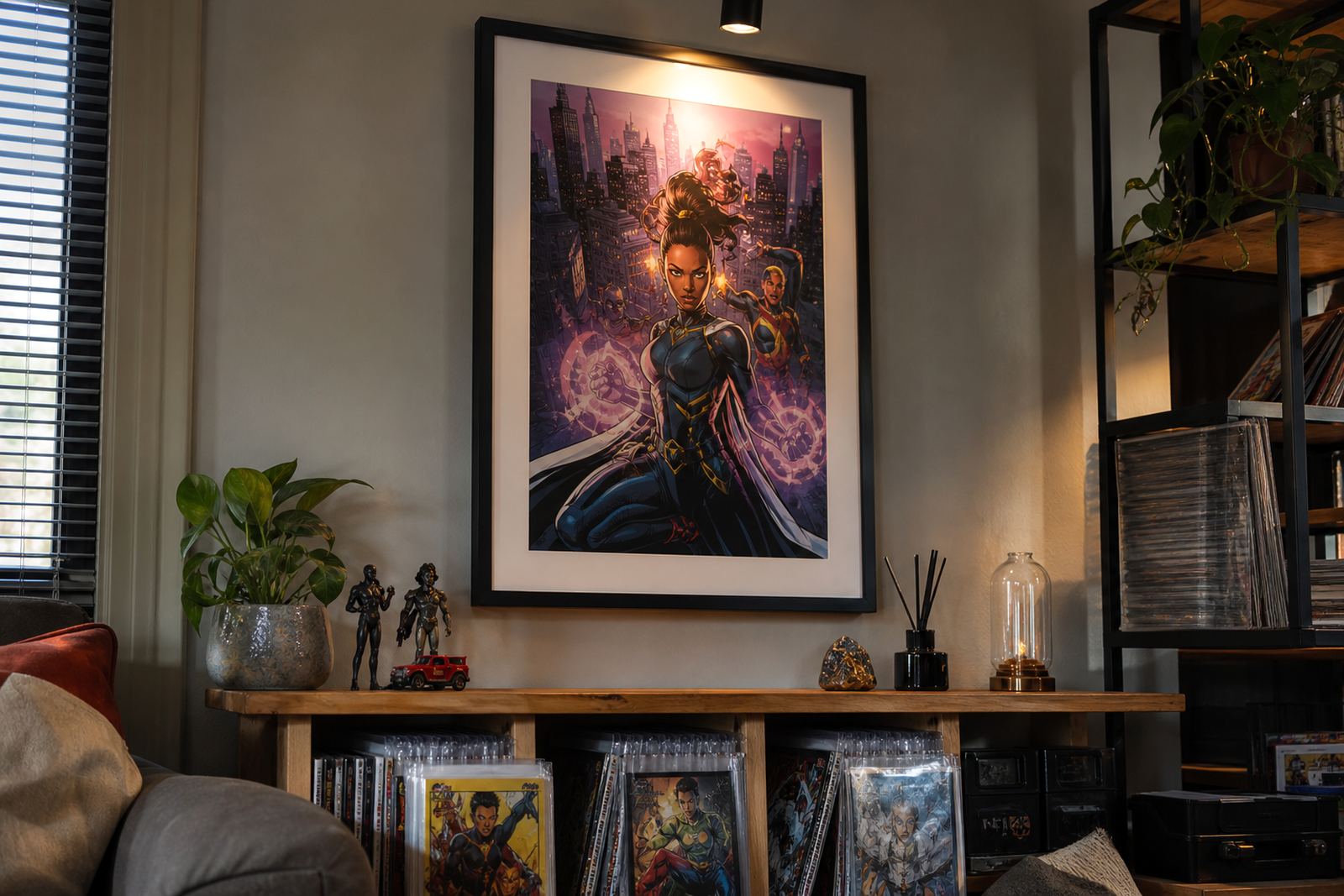
For display boards, patches are useful when you want a softer look than a framed print. They can sit alongside graded comics, original sketches, storage sleeves and other small collectables. If you use them on bags or jackets, make sure the fabric can take the stitching or heat. Lightweight materials can pucker or distort if the patch is too large for the item.
In coastal homes around Cape Town and Gqeberha, it helps to keep patches out of direct sunlight and away from damp corners. In hotter inland rooms, avoid placing them near heaters or sunny windows for long periods. Good placement matters if you want the threads to keep their colour and the backing to stay firm.
Keeping it in collector condition
Sew-on patches need a needle, strong thread and a steady hand. Iron-on patches need a dry iron, a pressing cloth and a flat surface. Hook-and-loop patches should be matched to a compatible panel so the patch sits flush and does not catch on loose fibres. Whatever method you use, test a small hidden area first if you are working on a valuable item.
For jackets and bags, position the patch before fixing it in place. Check that the artwork sits level and that the edges will not interfere with zips, seams or pockets. On display boards, use even spacing so the patch looks tidy next to cards, sleeves or framed pieces. If you are preparing a market table or collector wall, a layout plan saves time and stops the display looking crowded.
It is a manual item only, so the main requirement is careful fitting. If you are not sure about the fabric, ask for guidance before attaching it to a school blazer, a leather jacket or any item that is hard to repair later. Small mistakes are easier to avoid than to fix, especially on fabric that frays or stretches.
- Use a pressing cloth for heat application
- Check seam lines before sewing
- Keep enough space from pockets, zips and badges
- Allow the patch to cool fully before handling
Care, storage and long term display handling
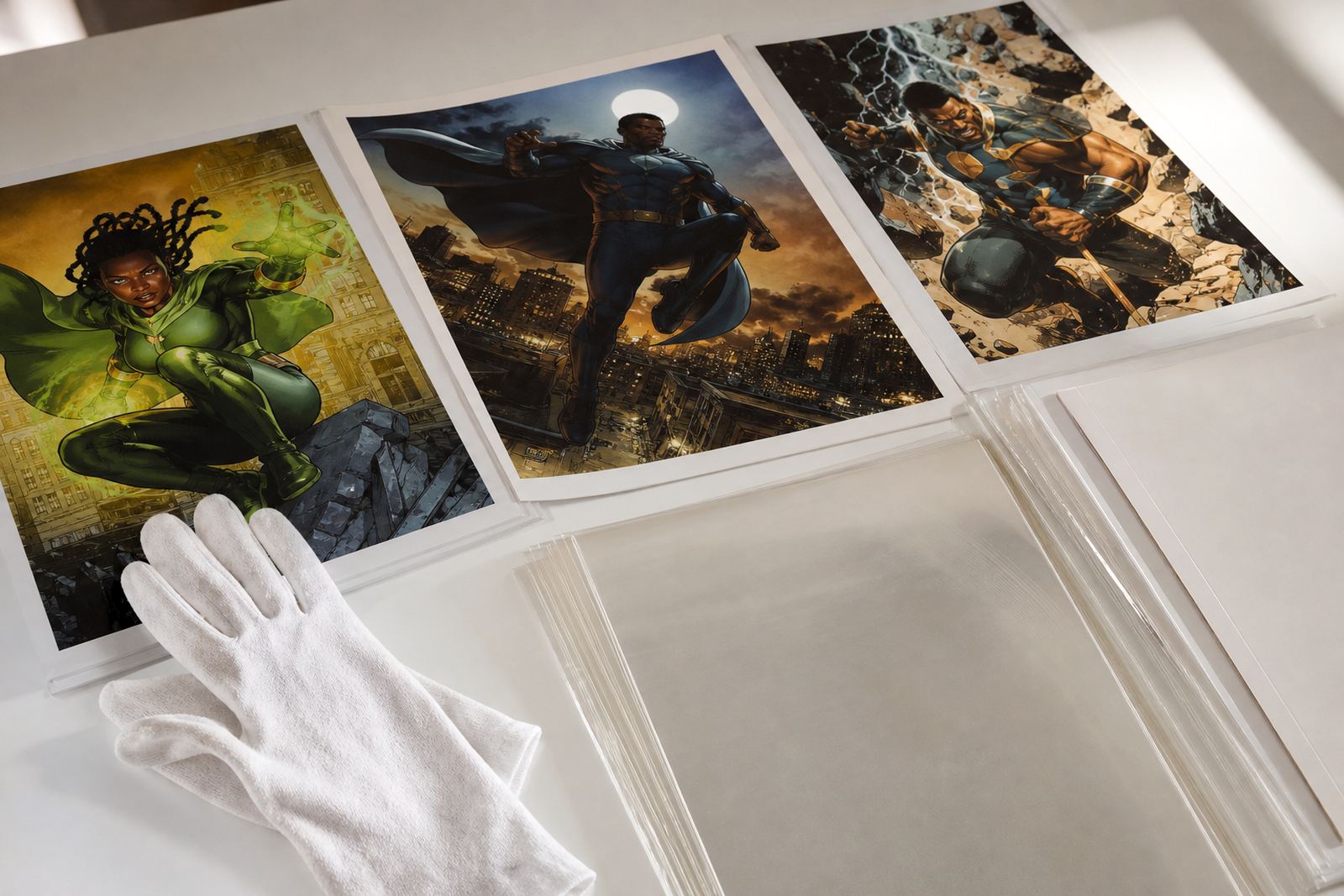
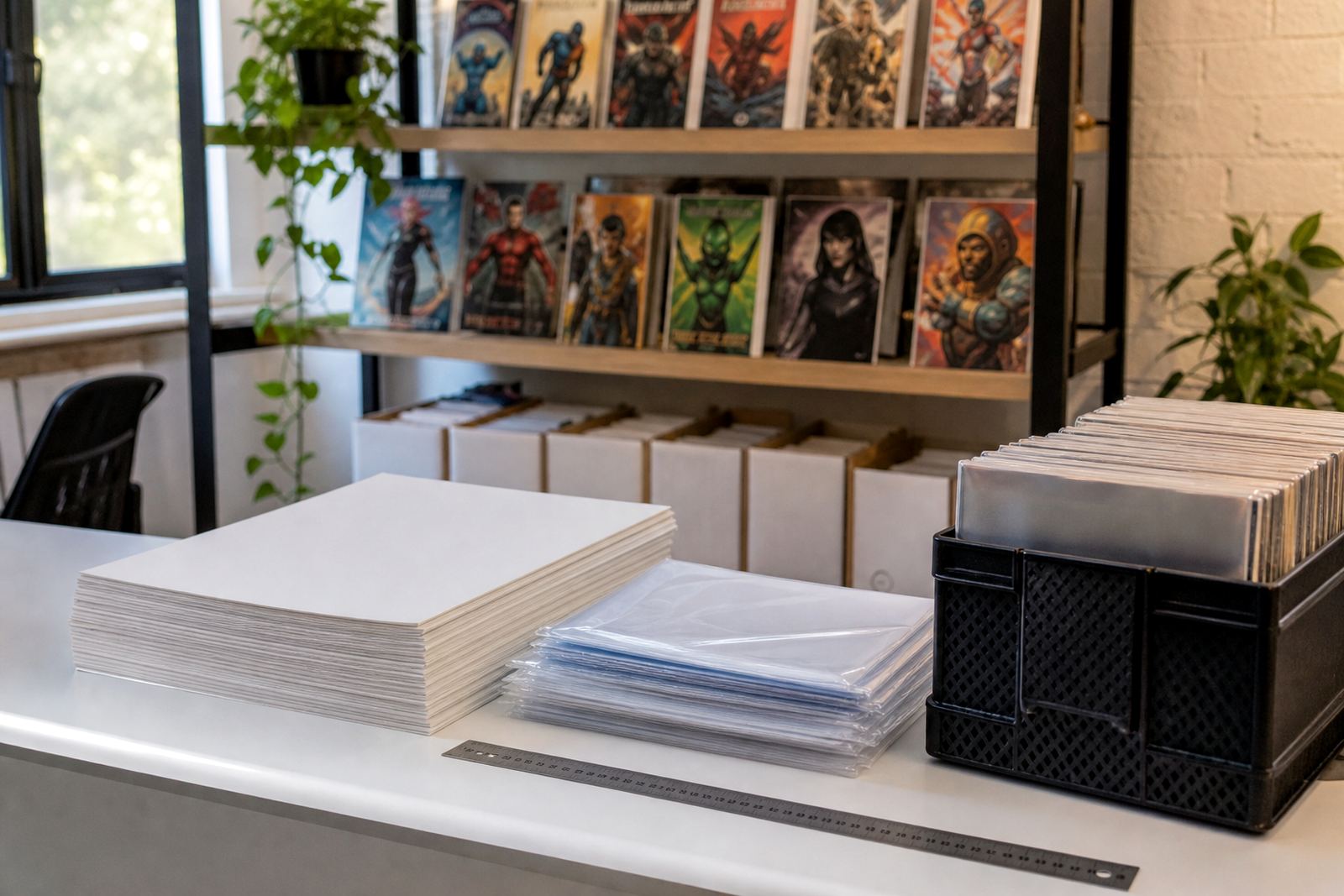
Care is straightforward, but it makes a difference. Keep Hero Patches dry and store them flat if they are not attached yet. A resealable sleeve, archive box or fabric folder helps stop dust and bent corners. If a patch is fitted to clothing, turn the garment inside out before washing where possible, and use a gentle cycle or hand wash depending on the fabric. Avoid harsh bleach and high heat drying, because that can damage the threads or soften the backing.
For display boards, dust the surface lightly with a soft cloth. Do not scrub the embroidery or use strong cleaners on the thread work. If the patch is removable, check the backing from time to time to make sure it still grips properly. If the adhesive has weakened or the hook-and-loop has gathered lint, clean it before reusing.
If you are storing a collection in Observatory, Bellville or elsewhere in the Western Cape, try to keep it away from windows, damp walls and places with frequent temperature changes. Humidity can cause musty smells in fabric items, so a dry cupboard or closed container is better than an open shelf in some homes. It is also worth separating patches from sharp items that could snag the embroidery.
Before you buy
Before ordering, check the character artwork, size, backing type and finish. Make sure the design suits the item you plan to use it on. A detailed patch can look great up close but may be too busy for a small cap or narrow strap. If you are buying for a collector, think about whether they prefer something wearable, display friendly, or easy to swap between items.
Also look at how you plan to store or send it. If the patch is going into a gift pack or courier parcel, confirm whether it needs a protective sleeve or board backing so the embroidery does not get crushed in transit. For collectors who organise by theme, it helps to group patches by character, colour or event rather than mixing everything together. That makes later storage and display easier.
When comparing options, ask whether the patch is meant for permanent use or frequent removal. This matters if you are planning a school bag, a club jacket, or a display board that changes with each season. If you want guidance, use the enquiry form on the contact page and the team can help with wishlist sourcing, safe shipping prep and collector consultations.
- Confirm size against the item before ordering
- Choose the right backing for permanent or removable use
- Check care instructions for the fabric you will attach it to
- Ask about packaging if the patch is part of a gift or courier order
Shelf notes
| Product type | Embroidered collector patch |
|---|---|
| Use | Bags, jackets, caps and display boards |
| Backing options | Sew-on, iron-on, hook-and-loop, adhesive |
| Typical sizes | Small, medium and large format options |
| Delivery areas | Observatory, Cape Town, Johannesburg, Durban, Pretoria, Gqeberha and surrounding areas |
Name the title, issue or character you are hunting for, and our comic shop crew will help you track it down.
Contact form