

What Community Club Members Usually Need
Community club members often want more than a single issue on a shelf. They need books that can be read, passed around, discussed and kept in good condition between meetings. That means choosing comics with sturdy covers, clear issue order and sensible storage so each copy stays usable after a few hands have had a turn.
In Observatory and across Cape Town, we often help groups that meet in homes, libraries, schools or community halls. Some members collect for reading and some collect for the artwork, the characters and the local stories. The common thread is simple: people want original South African hero comics that are easy to follow and simple to care for.
If your club is getting started, think about the basics first. A shared reading set, a safe storage plan and a list of who is borrowing what will save time later and avoid those awkward missing-copy moments at the end of a meeting.
A good club collection should be easy to read, easy to share and easy to keep safe.
The Typical Club Setup, From First Issue To Shared Shelf
A club set does not need to be complicated. Most groups do well with a small core of reading copies, a few display pieces and some protective materials for the items that get handled often. For members who enjoy grading and collecting, it also helps to keep cleaner copies separate from reading copies so the best-condition books are not worn down by regular circulation.
- Reading copies for group discussion and lending
- Protective sleeves and backing boards for better condition books
- Plastic storage boxes or comic boxes kept off damp floors
- Simple labels for issue order, owner name and return dates
- Soft cloths, a clean surface and dry hands for handling
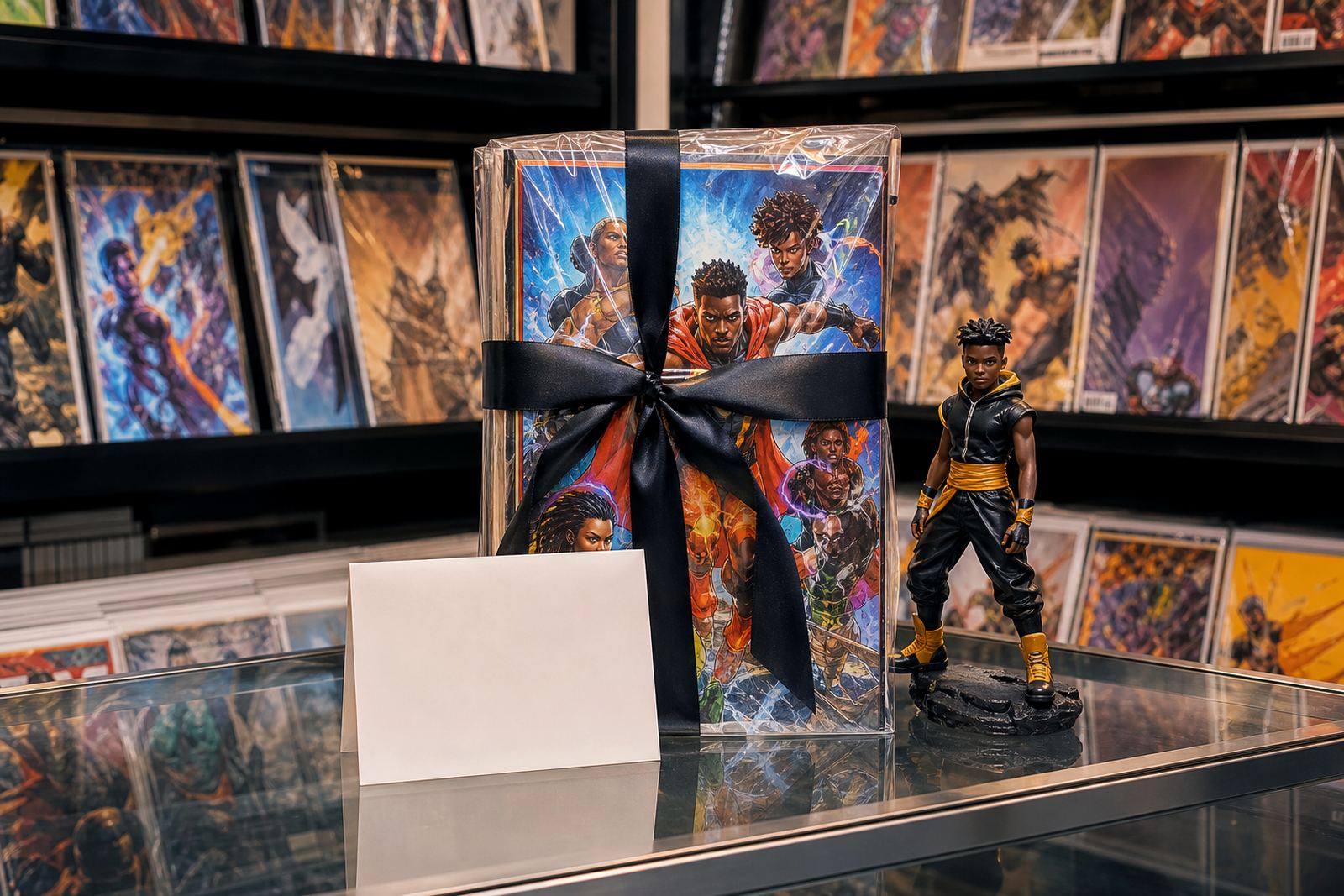
If your meetings run in a hall or shared room, plan for easy pack-up. A lightweight box that closes properly is better than a loose stack wrapped in paper. In coastal areas like Cape Town, humidity can creep into storage, so a sealed container and a dry cupboard matter more than people think.
Layout And Planning Advice For Small Group Collections
Good planning keeps the collection enjoyable, not stressful. Start by splitting the set into three groups: items for reading, items for display and items for long-term keeping. This makes it easier to decide what needs sleeves, what can sit on open shelves and what should go straight into protective storage.
For shared spaces, use a simple shelf plan. Keep the current reading stack at waist height, put display items where they will not catch sunlight, and store archive copies lower down in closed boxes.
- Keep comics away from direct sun to avoid fading
- Leave space between items so covers do not bow
- Do not stack heavy books on top of bagged issues
- Store labels and inventory notes in one notebook or file
Groups in Johannesburg, Pretoria and Durban often ask for courier-friendly packing too. If books are moving between members, the pack should be snug but not tight, with no loose corners rubbing against one another during transit.
Grading Guidance For Shared Collections
Grading is useful for club members because it helps decide what gets read, what gets displayed and what should be handled with extra care. A comic with sharp corners, clean pages and a solid spine can usually be shared more freely than one with creasing, moisture marks or loose staples. The aim is not to turn every meeting into a condition test. The aim is to protect the best copies while still letting people enjoy the story.
Common grading questions include edge wear, spine ticks, surface marks and paper quality. For a club set, it helps to do a quick pre-submission check before anything is sent for grading or placed into long-term storage. Remove obvious dust, check for bends and note any pages that feel brittle.
Typical budget ranges for club collecting can vary widely. A modest starter set for reading and light display may sit around R1 500 to R4 000, while a more careful set with protective materials, storage and a few higher-condition copies can run from R4 000 to R10 000 or more. The exact spend depends on how many members are sharing and how often the items travel.
Common Mistakes Clubs Make With Comics
One of the biggest mistakes is mixing reading copies with top-condition copies. Once that happens, the nicer books start to show wear far quicker than expected. Another common issue is poor storage. A room that gets damp in winter or warm in summer can leave covers warped and pages rippled, especially near the coast.
Some groups also forget to record who has borrowed what. That can lead to duplicate purchases or missing issues when the club wants to complete a run. It helps to keep a simple sign-out sheet, even if the group is small and everyone knows one another well. A quick note saves a lot of back-and-forth later.
- Leaving books in car boots or hot rooms
- Using tape directly on comic covers
- Overfilling boxes so corners bend
- Ignoring page brittleness before storage
- Letting food and drinks sit near reading copies
We also see clubs rush into display choices before they know what they own. It is better to sort the collection first, then decide what sits in frames, what stays bagged and what becomes the lending set.
How We Support Club Members Across South Africa
Community club members often need a mix of advice and practical help. We assist with grading guidance, cleaning advice, storage planning, display planning, gift selection help, wishlist sourcing and collection organisation. If your group is building a theme around South African heroes, we can help you choose items that fit the club’s reading level, space and budget.
Courier delivery is available across South Africa, including Cape Town, Johannesburg, Durban, Pretoria and Gqeberha, as well as Observatory, Stellenbosch and Bellville deliveries. For regular groups, safe shipping prep is especially useful when books are moving between members after a meeting or being sent to a new reader in another town.
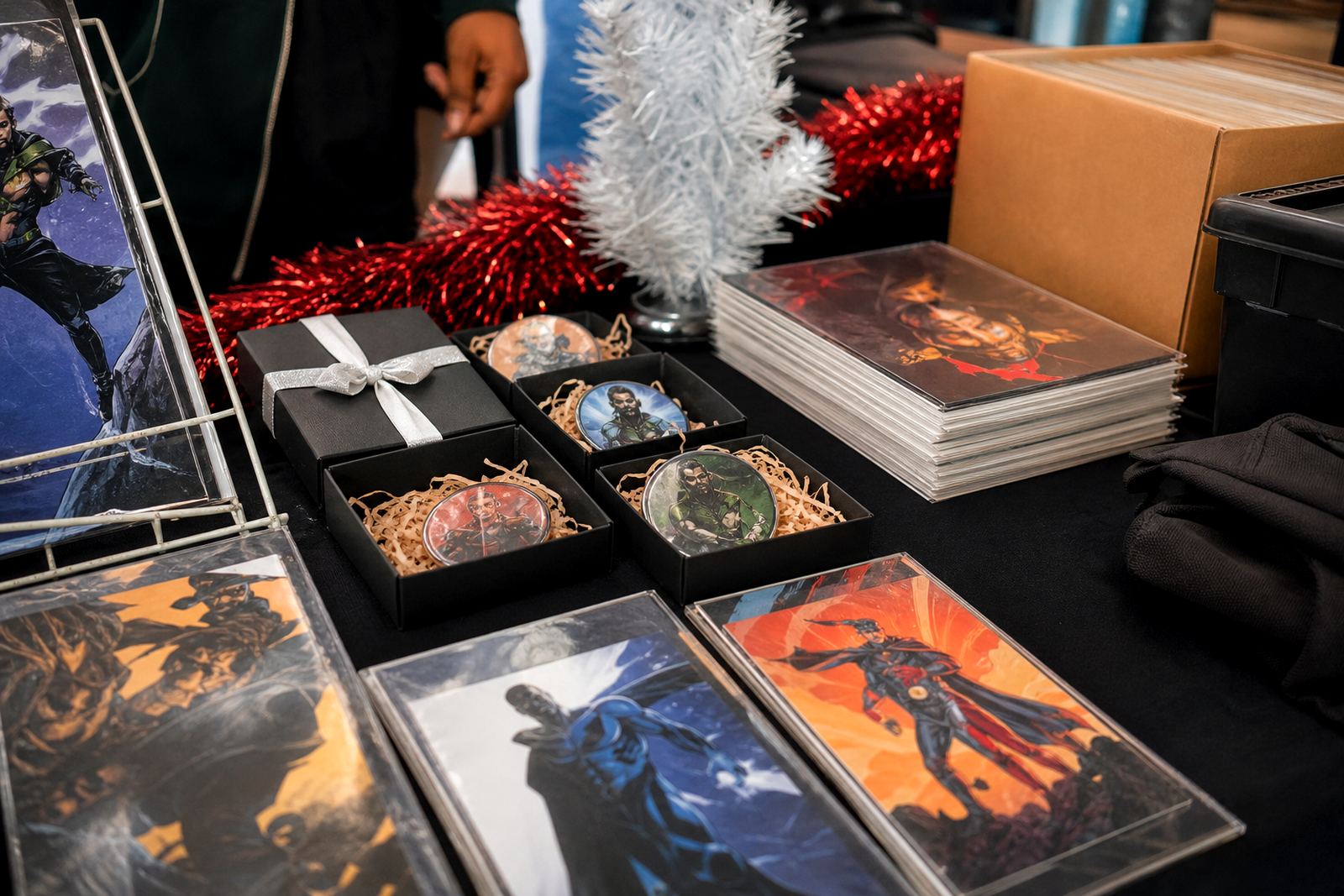
If you are planning an event table, a swap day or a small community display, we can also help with event packages and collector consultations. Send a message through our contact page with what your club is looking for, how many people are involved and whether you need reading copies, display pieces or both.
Name the title, issue or character you are hunting for, and our comic shop crew will help you track it down.
Contact form