
What grading is checking for
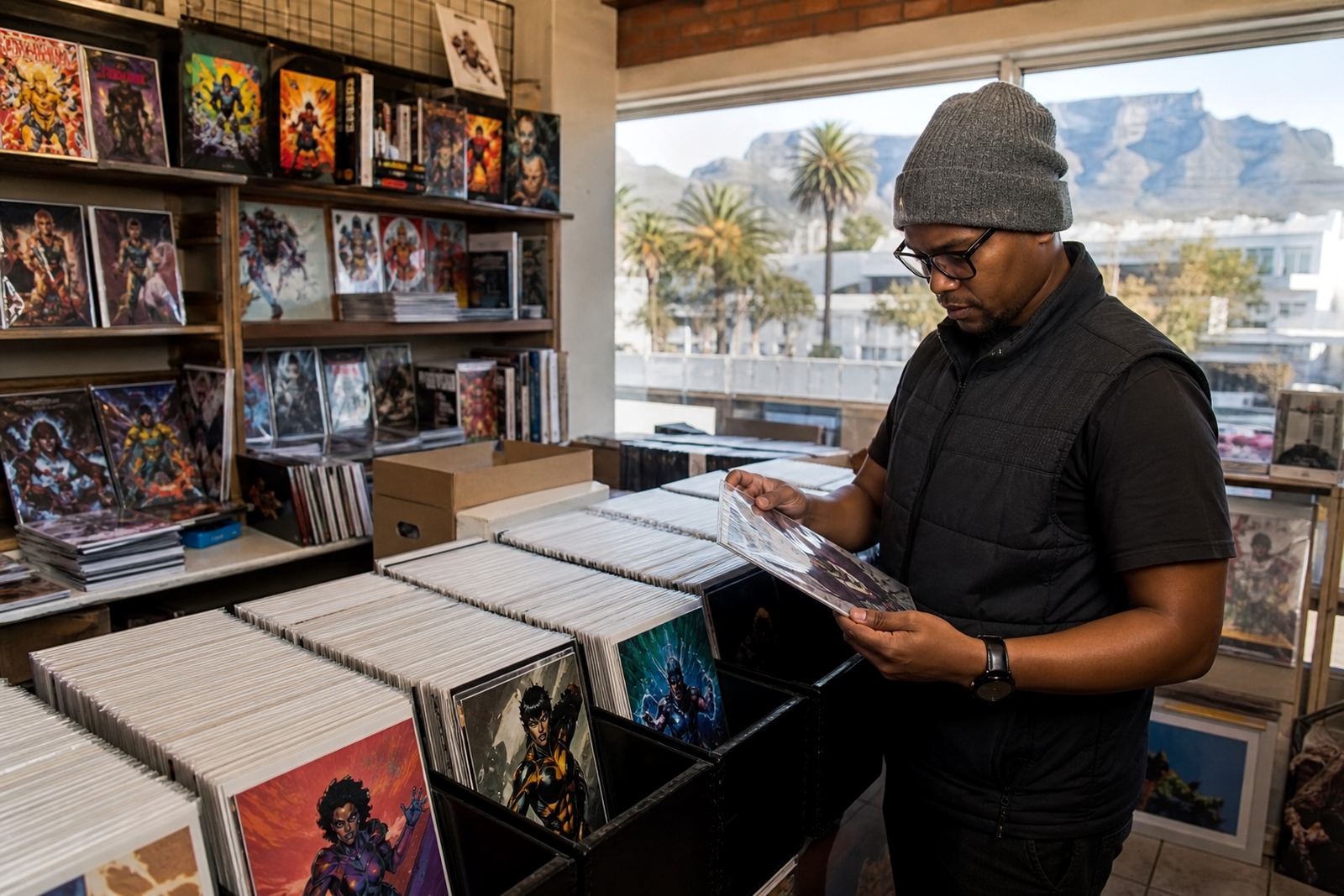
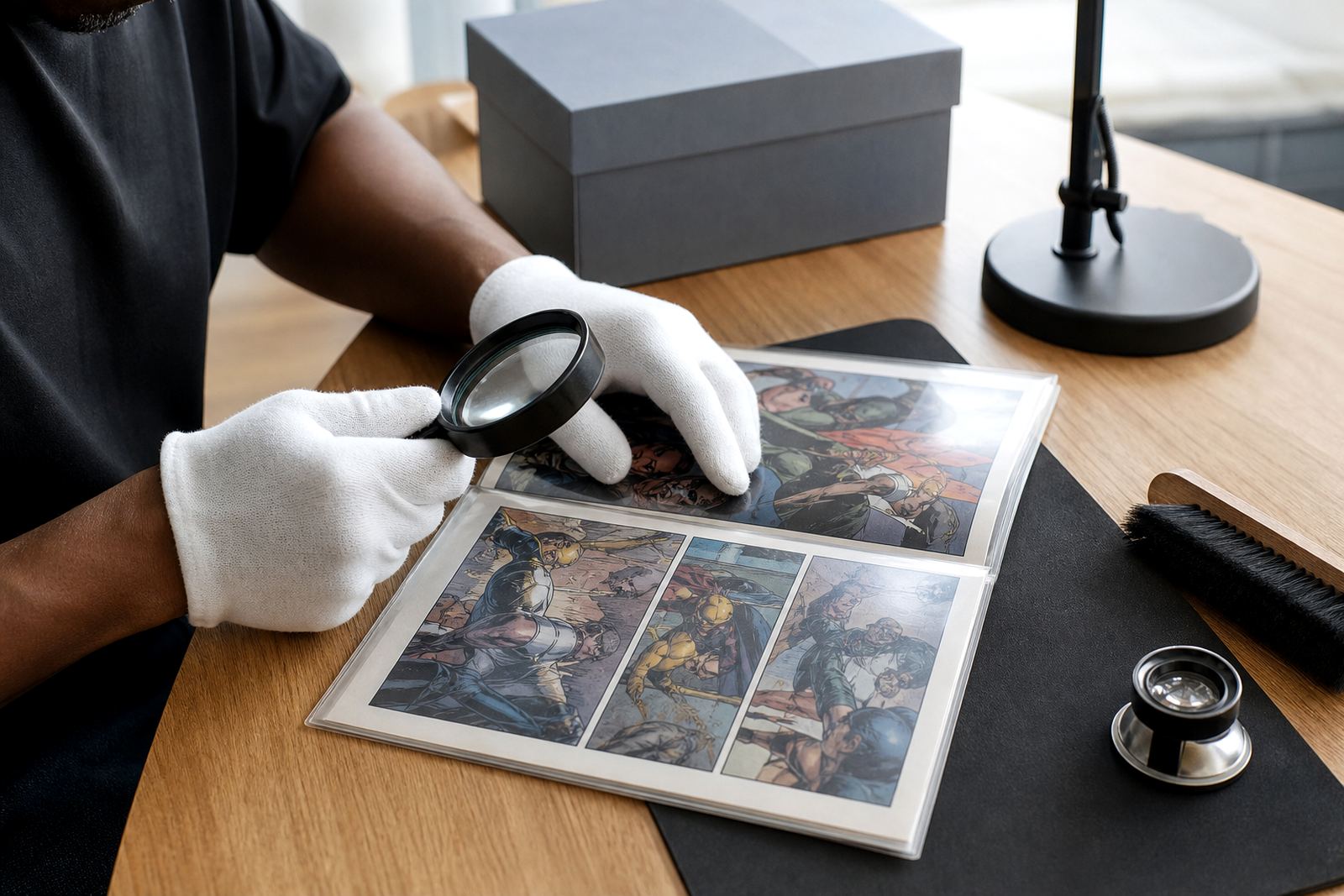
Grading is a careful look at a comic’s condition from cover to cover, inside and out. The goal is to note the small things that affect value and collectability, from corner wear and spine ticks to dents, stains, tears and page quality. A comic does not need to be perfect to be worth keeping, but it helps to know where it sits before you store, display or submit it.
For local collectors in South Africa, grading is often useful when you are deciding how to protect a book in Cape Town humidity, how to pack it for courier delivery to Johannesburg, or whether a special issue should be handled as a keeper rather than a reader copy. Grade does not only affect resale. It also helps you plan proper storage and make sense of your collection.
Good grading starts with honest condition checks, not guesswork.
Common condition terms collectors should know
Most grading conversations use a few simple terms. Once you know them, it becomes much easier to talk about your comics with confidence. You do not need to memorise every detail, just the basics that show what condition the book is in and what sort of care it may need.
- Fine or better: light wear only, with the book still looking neat on the shelf.
- Very Fine: clean overall, with only minor signs of handling.
- Near Mint: sharp corners, strong colour and very little visible wear.
- Reader copy: a comic meant more for reading than collecting, often with noticeable damage.
- Defects: issues such as creases, spine roll, writing, missing pieces, water marks or tape.
If a term sounds confusing, ask for plain language instead of guessing. A clear explanation saves time and avoids disappointment later.
How to prepare a comic before submission
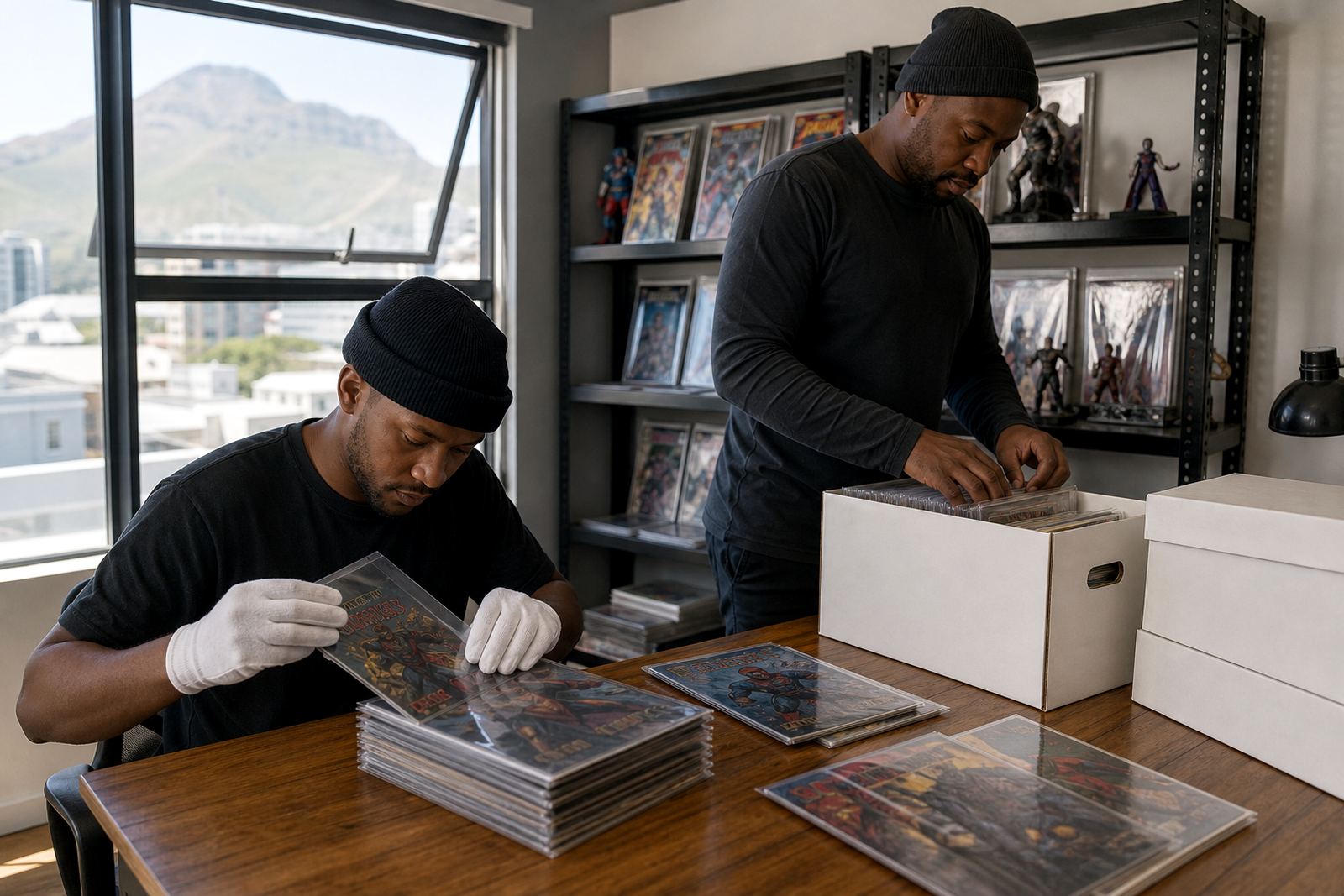
Before any grading check, handle the comic with clean, dry hands and work on a flat surface. Take the book out of any tight outer cover carefully, and never force staples, bags or boards if they are sticking. If there is dust or loose dirt, use a soft, dry brush only. Avoid household cleaning products, water, tissue paper or anything that can leave marks.
It helps to make a quick note of anything already visible, such as a small spine crease or a corner ding. That way you know what was there before the book moved into better storage or travelled by courier. If the comic is valuable to you, keep it in a fresh bag and board while you decide on next steps, rather than leaving it loose in a stack.
- Remove food, drink and anything sticky from the work area.
- Check the cover, spine, pages and interior staples under good light.
- Do not press or iron a comic at home.
- Keep high value issues away from heat, damp and direct sun.
When a comic should stay ungraded for now
Not every comic needs grading right away. If a book is only for personal reading, if it has clear damage, or if you are still comparing several copies, it may make more sense to leave it as is for the moment. Some comics have sentimental value that matters more than condition, and that is perfectly fine.
You might also hold back if the comic has been stored badly in the past and needs proper sorting first. Damp garages, hot loft spaces and overloaded cupboards can all cause trouble over time. In coastal areas, moisture can creep in faster than people expect, so the first job may be storage planning before any grading question is answered.
When in doubt, keep the comic safe and ask for a quick pre-submission check. That can stop further wear while you decide whether the book is a candidate for grading or simply a good copy to enjoy.
Storage choices that protect condition in South African homes
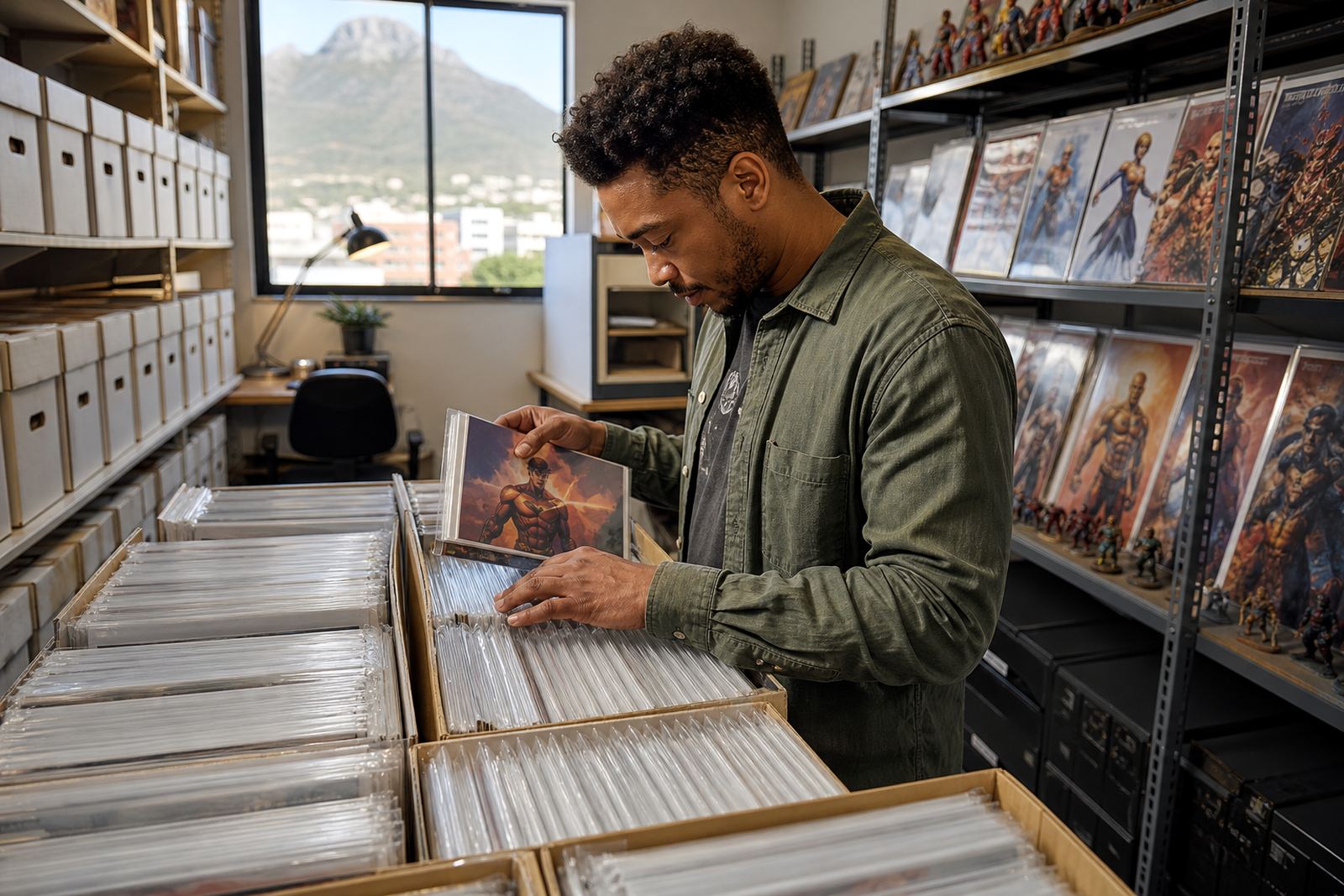
Good storage is part of grading care because condition changes over time. In places like Observatory, Bellville, Stellenbosch or Durban, the climate can be hard on paper if comics are left in warm rooms or near windows. A proper bag and board helps, but the bigger picture is stable storage away from moisture, dust and direct sun.
Use rigid boxes or collectors’ storage containers that stand upright and do not bend the spine. If you live near the coast, check stored books regularly for musty smells or waviness in the pages.
- Store comics upright, not packed too tightly.
- Use acid-free bags and boards where possible.
- Keep them in a cool, dry room with steady airflow.
- Check older books every few months for early signs of damp or pests.
What to bring when asking grading questions
If you want practical guidance, bring the comic itself and any notes you have about where it came from, how it was stored, and whether it has had prior handling or repairs. That background helps a lot, even if the book looks simple at first glance. A clean copy in a bag can still hide small issues inside the cover or along the spine.
It is also useful to know what you want to do with the book. Are you planning to keep it long term, display it, gift it, or send it for further checking? The answer changes the advice. A collector in Pretoria may need different storage than someone shipping to Gqeberha, and a gift set may need better presentation than a reading copy. Good advice starts with the use case, not just the condition.
Our team can help with grading guidance, pre-submission checks, storage planning and safe shipping prep, so you can move at your own pace without making avoidable mistakes.
Simple checklist before you ask for a grading opinion
A short checklist makes the conversation easier and faster. You do not need to know every grading term before asking questions. You only need a clear view of the comic and a basic sense of what you are trying to protect.
- Look for bends, spine ticks, tears and corner wear.
- Check the cover for stains, fading or writing.
- Open the book carefully and inspect the centre staples.
- Note any smell, moisture marks or page discolouration.
- Keep the comic in a sleeve or box while you wait for advice.
If something seems off, mention it early. Small details often matter more than people expect, and it is easier to plan around a flaw than discover it after the book has been moved around more than once.
Name the title, issue or character you are hunting for, and our comic shop crew will help you track it down.
Contact form