
Start With the Kind of Comic You Actually Want to Read
Before you buy anything, decide what you want from your first comic purchases. Some people want an easy read for the couch, others want something to keep in near-mint condition, and some want both. Local superhero comics can give you action, humour, family themes, city settings and characters that feel closer to home, so it helps to begin with the style that suits you.
Think about whether you prefer a single issue, a short story arc, or a collectable edition you can keep sealed. If you are buying for a child, a gift, or your own shelf, the purpose matters. A comic that gets read often may need stronger storage, while a first collectable might be better suited to a protective sleeve and board from the start.
Buy the comic you will enjoy, then protect it like you plan to keep it.
Check the Condition Before You Commit
Condition matters more than many new collectors expect. A comic in good shape holds its appeal and is easier to store, display and grade later if you choose to submit it. Look closely at the cover, spine, corners and pages. Small marks can be normal, but heavy creasing, water stains, loose pages or a musty smell can lower the value and make storage harder.
If you are buying online, ask for clear photos in natural light. Check the front, back, spine and any problem areas. For older comics, also ask whether the item has been cleaned, handled with gloves, or stored flat. In humid places like the coast, even a comic that looks fine can hide ripple damage or faded pages, so it pays to ask a few direct questions.
- Look for sharp corners and a clean spine
- Check for bends, tears and writing on the cover
- Ask whether the comic has been exposed to moisture
- Confirm if any repairs, cleaning or pressing were done
Set a First Purchase Budget That Leaves Room for Protection
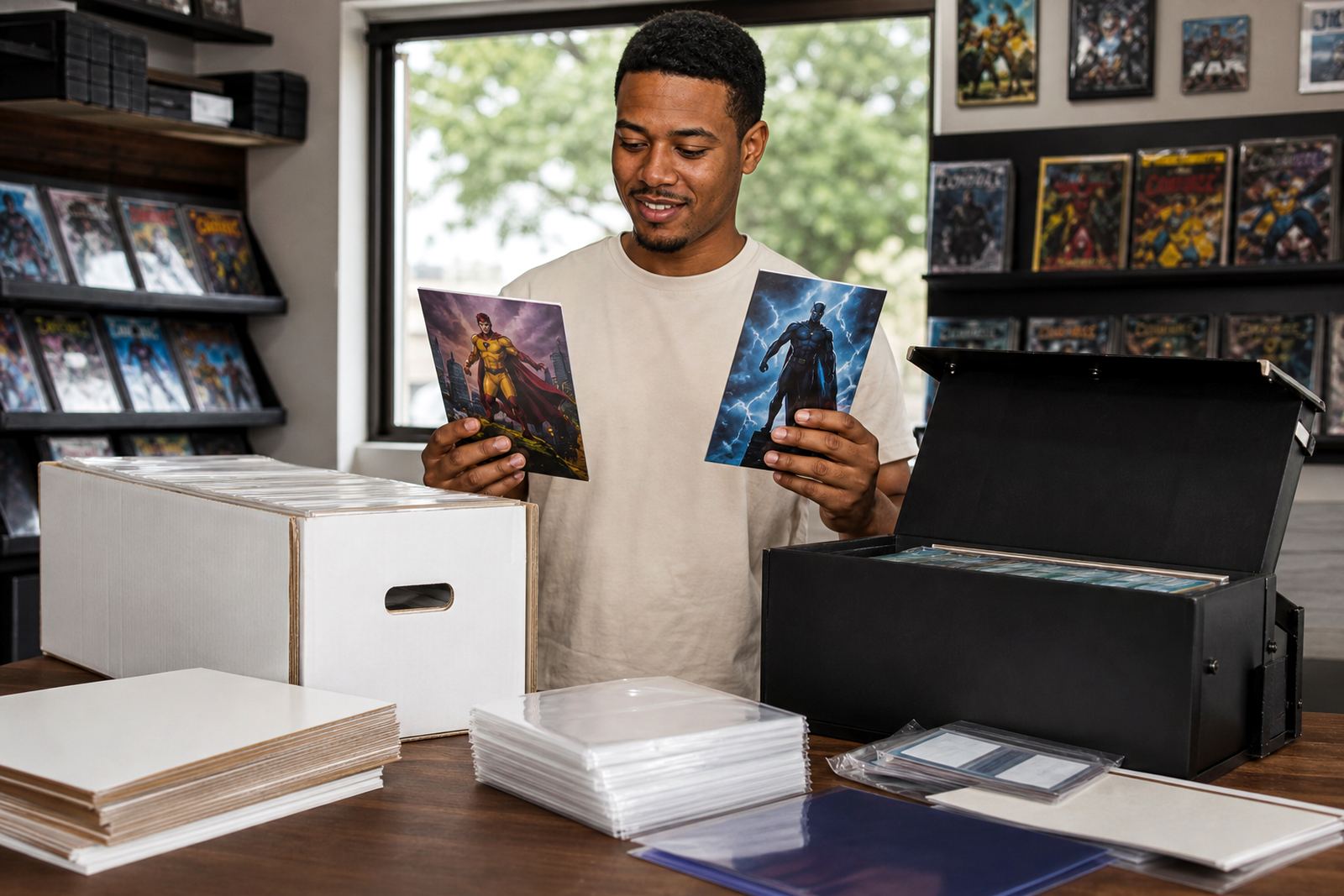
Your first comic does not need to be expensive. A sensible budget lets you buy one or two books and still have money left for sleeves, boards and storage folders. That way your first purchase is protected properly from the start. If you are collecting on a tighter budget, begin with readable copies in decent condition rather than chasing the rarest item straight away.
A useful rule is to split your spend between the comic itself and the basic care it needs. The aim is not just to own a comic, but to keep it in good shape for years.
- Comic purchase
- Sleeve and backing board
- Storage box or folder
- Optional grading preparation later
Choose Characters and Stories That Match Your Taste
Local superhero comics are easier to enjoy when the characters and stories match your interests. Some buyers like street level action, some prefer sci-fi themes, and others want strong team stories. Because these comics are built around original South African heroes, you can explore different tones without needing to follow a huge amount of backstory.
A comic with a clear opening story and strong visual storytelling is usually the easiest place to start. That makes it easier to follow as a first-time reader. A good first comic should feel welcoming rather than confusing. If you enjoy the art style, the pacing and the setting, you are more likely to keep reading and expanding your collection from there.
Use Grading Guidance Before You Buy Bigger Pieces
If you are planning to collect seriously, grading should be part of your buying habit from the beginning. You do not need to grade every comic, but you should understand what grading looks for so you can choose better copies. Our grading guidance, pre-submission checks and cleaning advice help you avoid simple mistakes before you send a comic off for assessment.
When comparing copies, ask which one has the cleanest spine, the brightest pages and the least handling wear. A comic that looks similar at first glance may grade very differently once inspected closely. If you are buying for investment, display or long-term holding, that difference matters. It is worth learning early rather than correcting mistakes later, it saves money and time.
- Ask about cover gloss and page colour
- Check for spine ticks and corner wear
- Confirm whether the item has been pressed or cleaned
- Choose the best copy you can afford, not just the cheapest
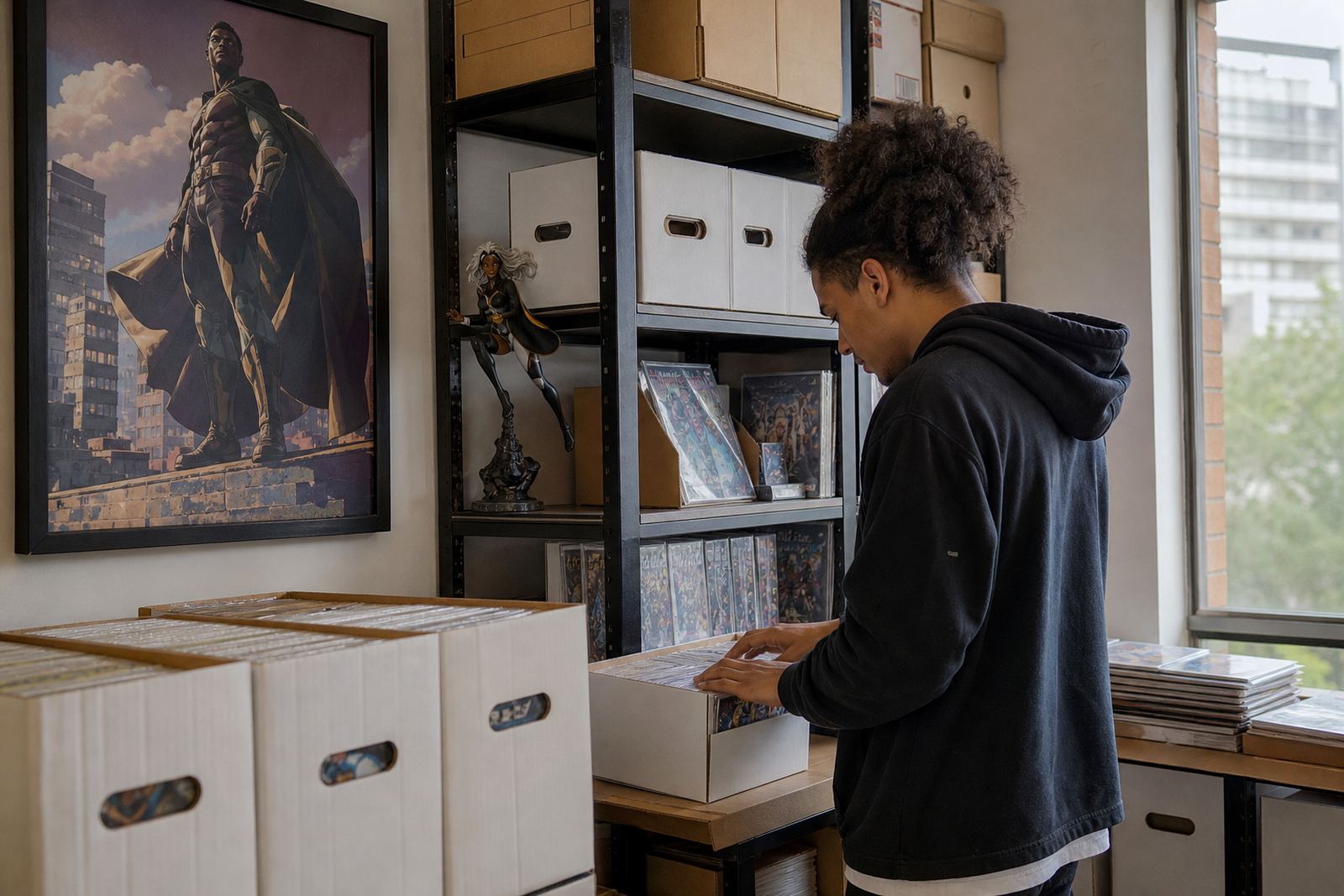
Plan How You Will Store and Display Your First Comics
Good storage begins on the day you buy the comic. Keep it away from direct sunlight, damp rooms and loose stacks of papers. In coastal areas like Cape Town and Gqeberha, moisture can creep into cardboard boxes and warp pages over time.
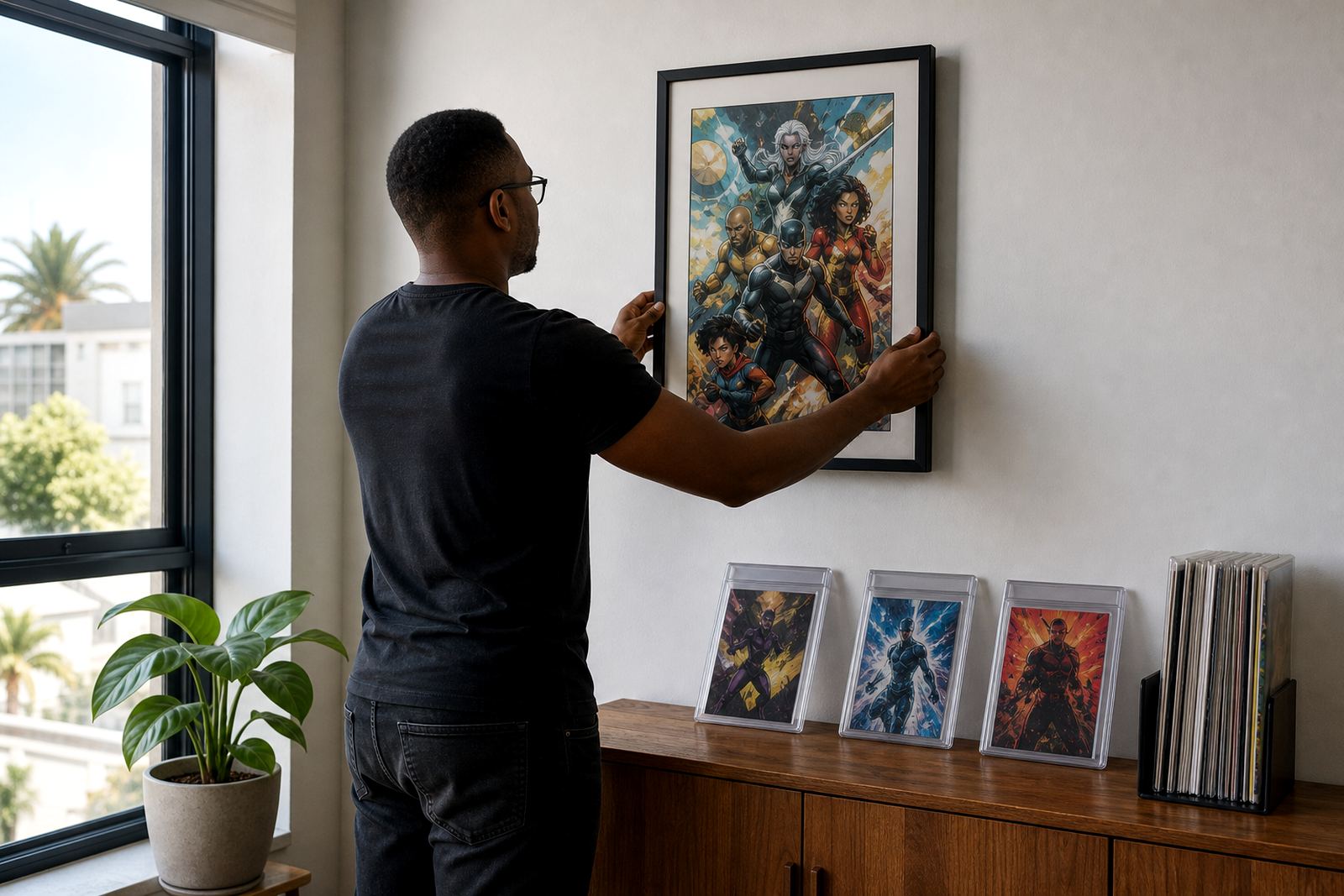
If you want to display a favourite comic, use a frame or stand that keeps it flat and supported. For the rest of your early collection, store them upright in proper boxes with enough support so they do not slump. Collection organisation is easier when you decide early whether you are building a reading set, a display set or a mixed collection. A tidy system now means less damage later and less searching when you want to read or show a book.
Make Your First Order Work Well for Delivery and Follow-Up
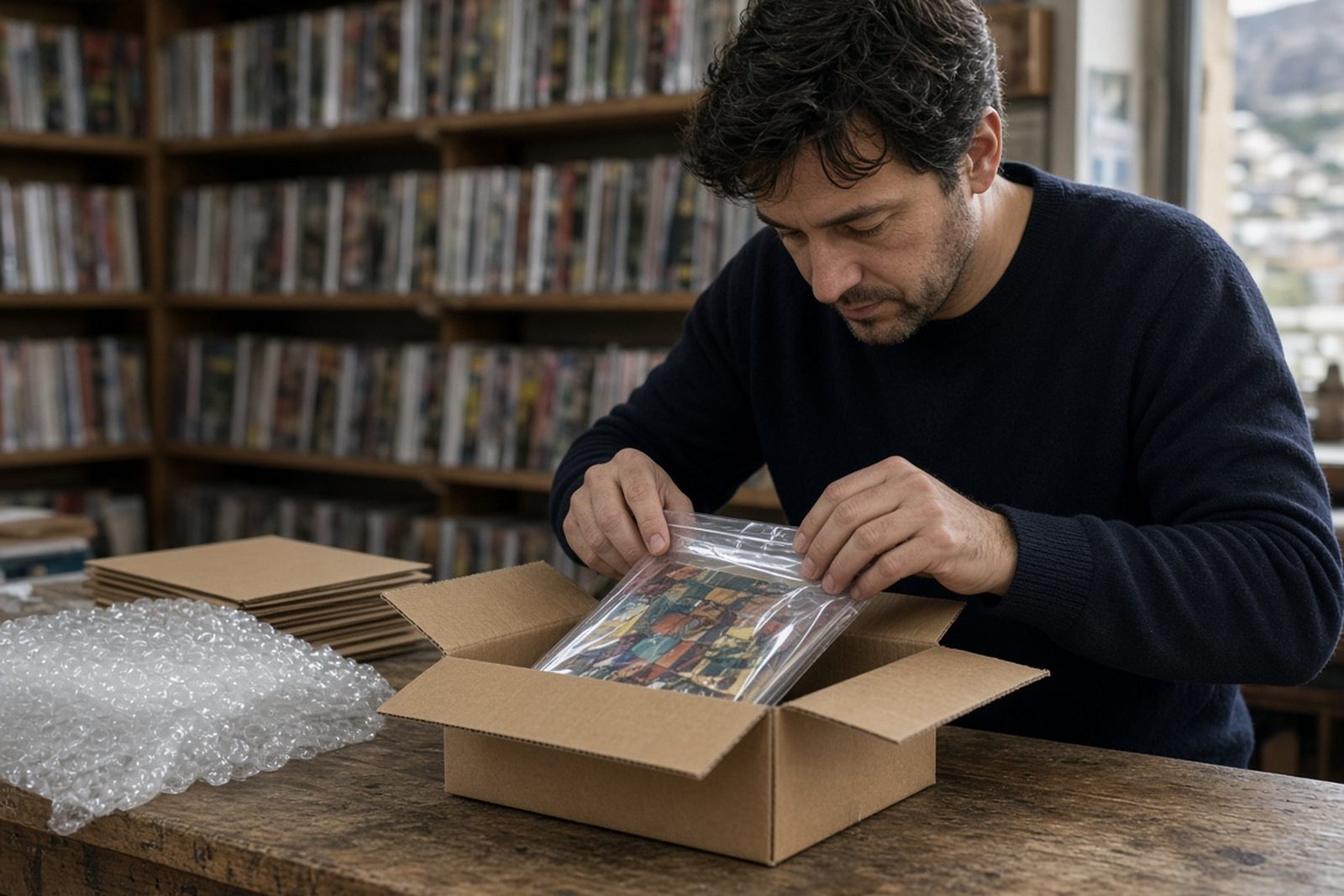
When you are ready to buy, keep your first order simple. A small order is easier to check when it arrives and simpler to manage if you are still learning what you like. If you are ordering from Observatory, Cape Town to Johannesburg, Durban, Pretoria, Stellenbosch, Bellville or elsewhere in South Africa, safe shipping prep matters just as much as the comic itself.
Use the enquiry form on the contact page if you need help choosing, want wishlist sourcing, or need gift selection help. Our team can also assist with subscription curation, collector consultations, event packages and safe shipping prep. If you are buying your first few comics, ask for help with the basics first, then build from there. That usually leads to better choices and fewer regrets, which is what first-time collecting should be about.
Name the title, issue or character you are hunting for, and our comic shop crew will help you track it down.
Contact form