
Start With What Grading Actually Measures
Grading is a condition check that looks at how well a comic has survived since it was printed. The aim is not to judge whether you love the book, but to assess wear, tear, and how much original quality is still there. Small flaws add up quickly, so a comic that looks fine at first glance may still need a closer look before submission.
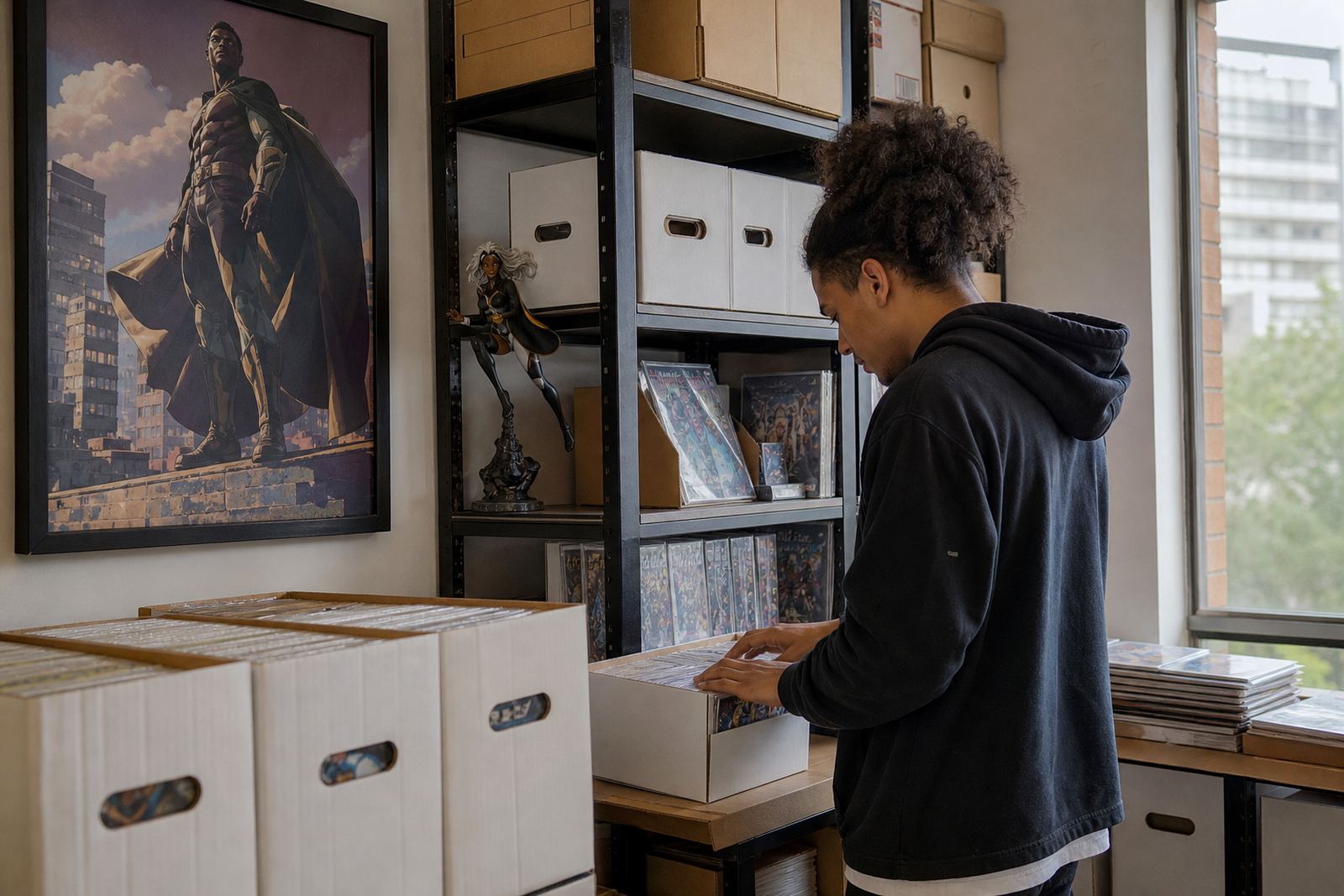
In practical terms, graders pay attention to the cover, spine, corners, pages, staples, and the overall freshness of the book. A comic can be complete and still fall short because of a crease, colour rub, spine ticks or page tanning. If you are collecting in Cape Town or anywhere else in South Africa, remember that humidity, heat and handling during courier trips can all affect condition over time.
A comic can be rare and still not be ready for grading.
Inspect the Cover, Spine and Corners First
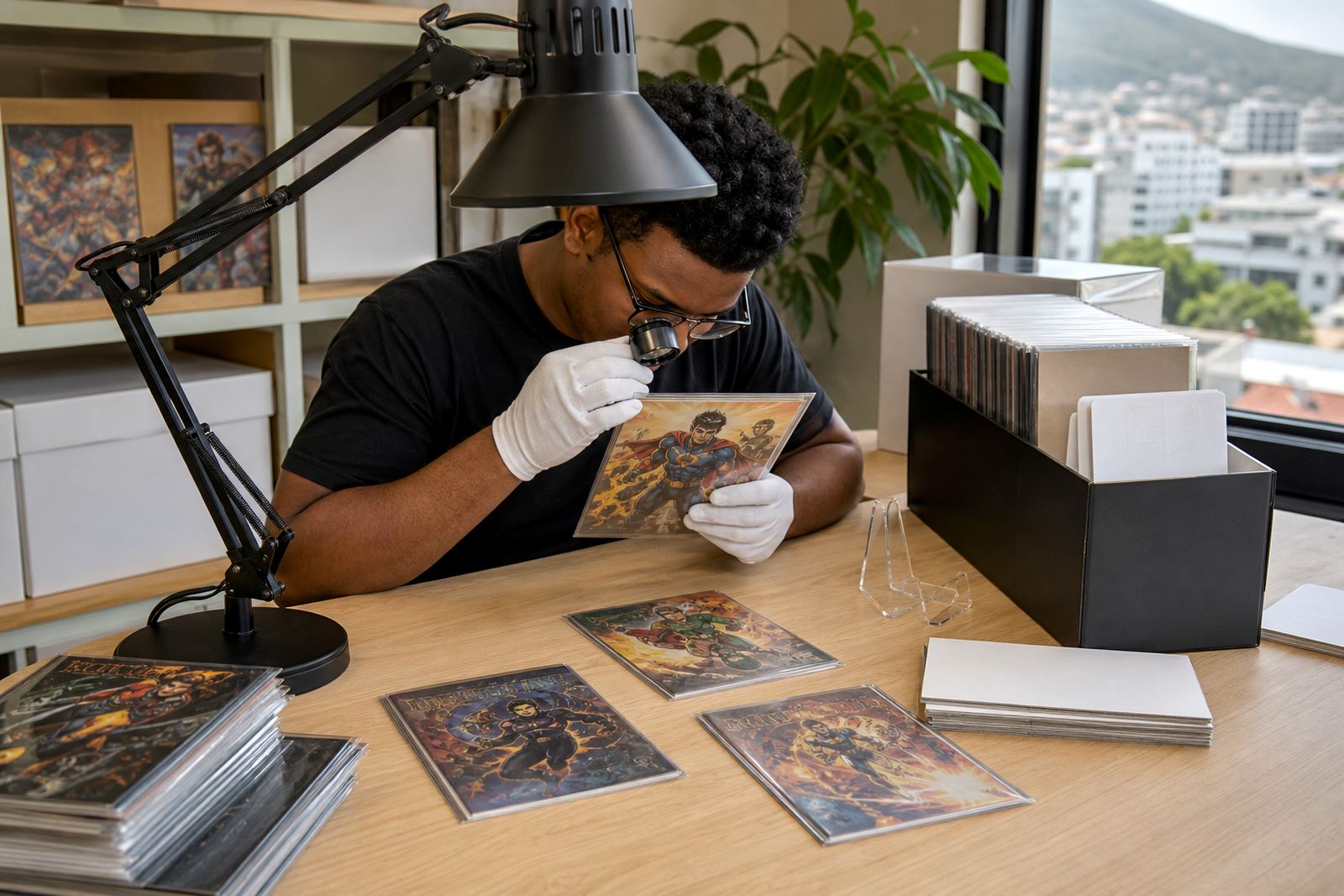
The cover usually tells you most of what you need to know. Hold the comic under good light and look for indentations, bends, scratches, writing, stains and colour loss. A glossy cover may hide damage until you tilt it, so check from more than one angle. The spine deserves slow, careful inspection because stress marks often appear there first.
Use this quick check before deciding on grading:
- Look for spine ticks, rolling or splitting
- Check corners for blunting, creases or folds
- Scan the front and back cover for stains, pen marks and finger prints
- Watch for warping from moisture or heat
- Confirm that the cover is fully attached and aligned properly
If a comic has a clean front but a worn spine, it may still be a strong collectable, just not an automatic grading candidate. That distinction matters when you are deciding what to send in and what to keep safely stored at home.
Open the Book Carefully and Check the Interior
Many collectors focus on the cover and forget the interior, but the pages matter just as much. Open the comic slowly and check for loose pages, missing pages, tears, writing, cut coupons and restoration signs. Page colour also counts. White pages, off-white pages and cream pages are generally better than heavily tanned or brittle pages, though the exact outcome depends on the book and its age.
Take note of any printing defects that are not condition related, such as miscuts or ink issues, because these can affect how the comic is viewed. If the pages feel stiff or fragile, avoid repeated handling. In coastal areas like Durban or Gqeberha, storage with decent airflow and protection from moisture becomes even more important, since damp conditions can speed up page deterioration.
Know When Cleaning Helps and When It Does Not
Light cleaning can improve presentation, but it will not fix damage. Dust, loose dirt and surface marks can sometimes be removed gently, yet pressing too hard can leave new marks or worsen a crease. The same goes for trying to flatten a book without proper care. If a comic has active moisture damage, mould or heavy staining, handle it cautiously and do not force it into shape.
A sensible pre-submission routine looks like this:
- Brush off loose dust with clean, dry hands and a soft approach
- Do not use water, oils or household cleaners
- Avoid rubbing glossy covers
- Keep hair, food and drinks away from the comic while handling it
- Stop if the book starts to feel fragile or the pages crack
For collectors in Johannesburg or Pretoria, where storage rooms and cupboards can get very dry or very warm, the goal is consistency. Stable conditions are better than repeated cleaning attempts that do more harm than good.
Storage Habits That Protect Grade
Good storage does not just preserve value, it protects the reading copy as well. Use clean inner sleeves, rigid backing where needed and a storage box or container that keeps out dust and sunlight. Keep comics upright or flat in a way that prevents bending, and avoid stacking heavy items on top. If you live near the coast, moisture control is worth taking seriously because paper reacts quickly to damp air.
Good storage habits also help if you plan to grade later rather than immediately. Try this checklist:
- Store away from direct sun and hot windowsills
- Keep books off the floor and away from leaks
- Separate high-value comics from daily-reading copies
- Use bags and boards that fit properly, not oversized sleeves
- Review stored comics every few months for signs of warping or mould
When a collection is organised early, it is easier to spot which books are worth a grading decision and which ones are better suited to display or long-term keeping as they are.
Decide What to Submit and What to Keep Raw
Not every comic should be graded. Some books are better left raw because the condition is too mixed, the value lies in reading enjoyment, or the grading cost does not make sense for the book. A clean key issue, a first appearance style book, or a very sharp modern comic may be worth considering, but only after you have checked the whole copy honestly.
When making a decision, ask yourself whether the comic is complete, clean and stable enough to justify submission. If there is heavy wear, a loose cover, water damage or major colour loss, the result may not suit your expectations. It is often better to keep a book safe, improve its storage and reassess later rather than rush it out too soon. For some collectors, the right choice is simply to preserve the comic well and enjoy it in the collection.
Before You Send a Comic for Grading
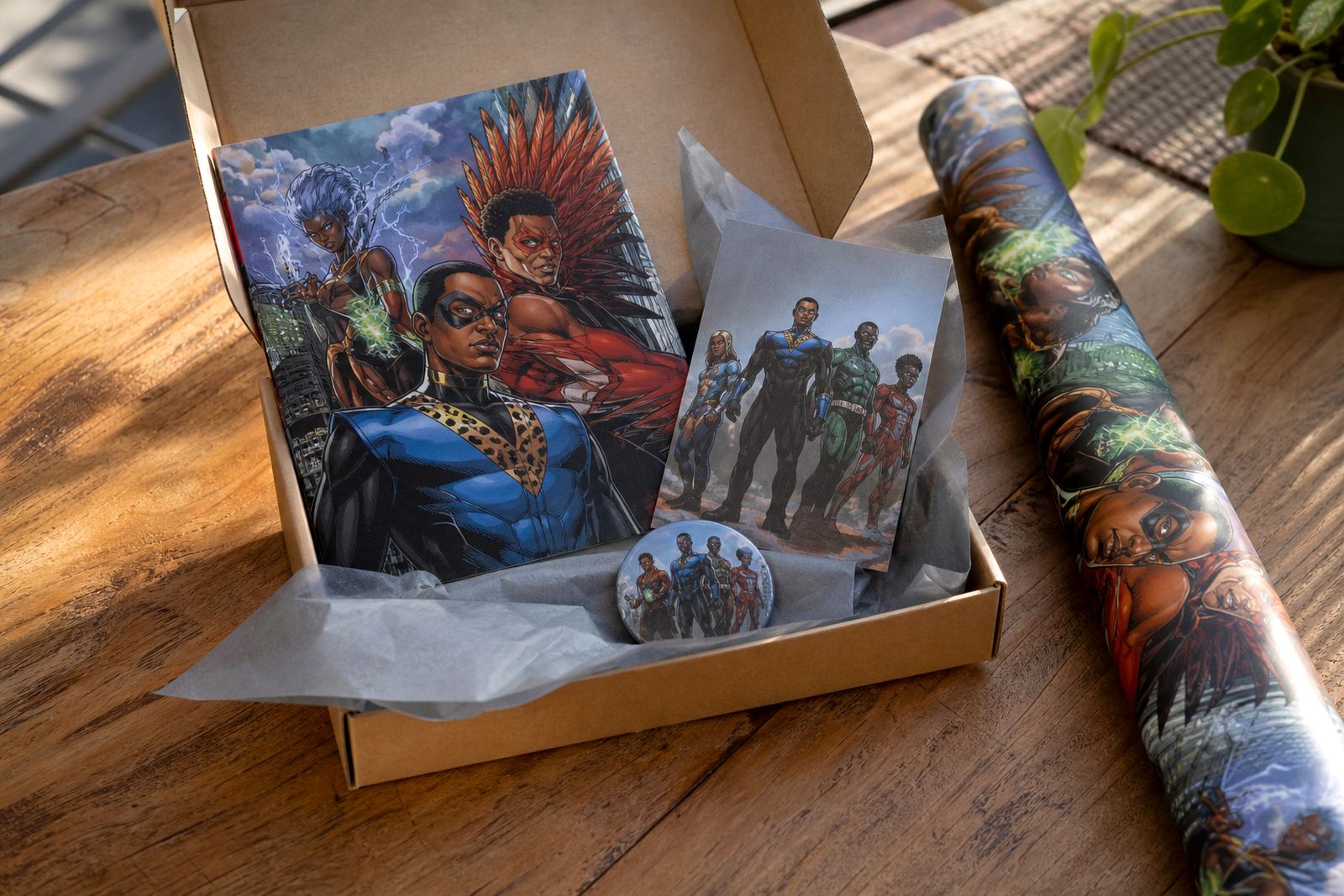
Once you have chosen a book, treat it like a courier item that needs protection all the way. Prepare it carefully so handling during delivery does not undo your work. In South Africa, courier trips can involve heat, sorting depots and a fair amount of movement, so packaging should keep the comic from shifting inside the parcel.
Use this final pre-send checklist:
- Confirm the comic is clean, complete and dry
- Place it in a fresh sleeve with a board
- Use a rigid mailer or strong carton for support
- Pad empty space so the comic cannot slide around
- Keep copies of any notes about the book’s condition
A short review before submission can save disappointment later if the comic still leaves you uncertain. A careful check now is usually easier than trying to explain avoidable damage afterwards.
Name the title, issue or character you are hunting for, and our comic shop crew will help you track it down.
Contact form