
A Paarl brief built around a growing shelf
The client in Paarl had a mixed home collection made up of reading copies, collector items and a few issues that had already started showing wear from handling and Cape weather. The shelf space was decent but not planned for growth, so the main need was to bring structure into the collection without turning the room into a showroom. The home had ordinary family traffic, a bit of dust from open windows and the usual concern about keeping paper safe in a warmer inland area.
We treated the project as a small collection management job rather than a one-off tidy up. That meant looking at what should be read often, what should stay boxed, and what should sit on open shelves. The client wanted the collection to feel easy to use, not overworked, and still leave space for future additions from local superhero comic releases and related collectables.
A good shelf system makes the collection easier to enjoy and easier to keep.
What the brief asked us to sort out
The key request was to create a clear system that any household member could follow. The client did not want to guess where a comic should go after reading it, and did not want condition issues building up over time. We also had to work within a normal home layout, with limited built-in storage and no special room for archive boxes. Because the collection was still growing, the system needed to be flexible enough to handle new arrivals without a full re-sort every month.
- Separate reading copies from collector copies
- Group items by format and size for easier shelving
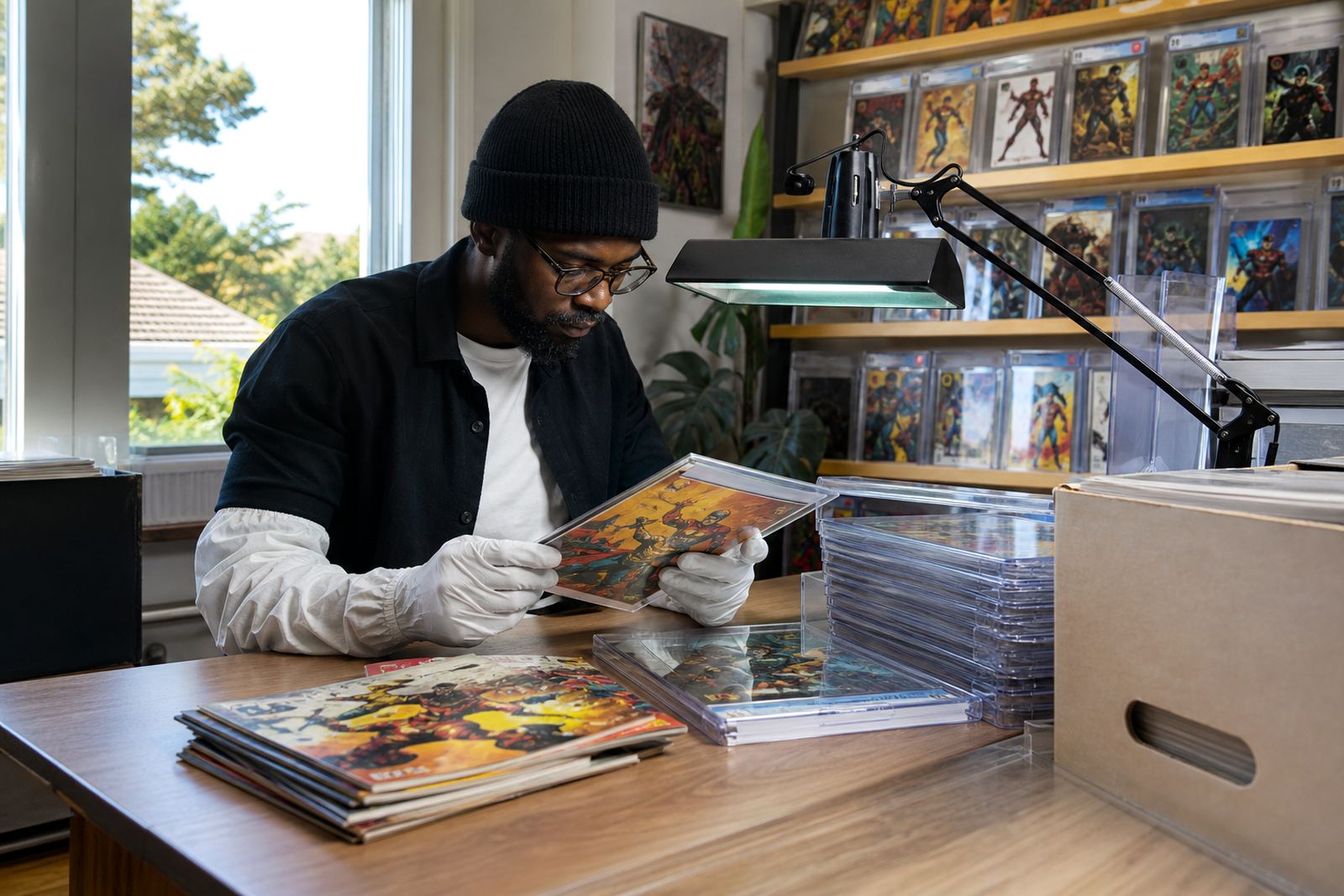
- Check condition before storage or display
- Plan space for future additions
- Keep the best pieces visible without exposing them to too much light or dust
There was also a practical delivery consideration. The client sometimes orders items for courier delivery and wanted a setup that would make incoming parcels easy to inspect, sort and store straight away. That helped avoid bent corners and unnecessary handling. A small detail, but it saves a lot of trouble later.
Collection planning, grading guidance and storage choices
We started with grading guidance and pre-submission checks for the most important items. That meant looking at corners, spine stress, surface marks and overall handling quality before anything went into long-term storage. We did not overcomplicate it. The point was to help the client make sensible decisions about what deserved protective storage, what could stay in a reading stack and what should be set aside for later review.
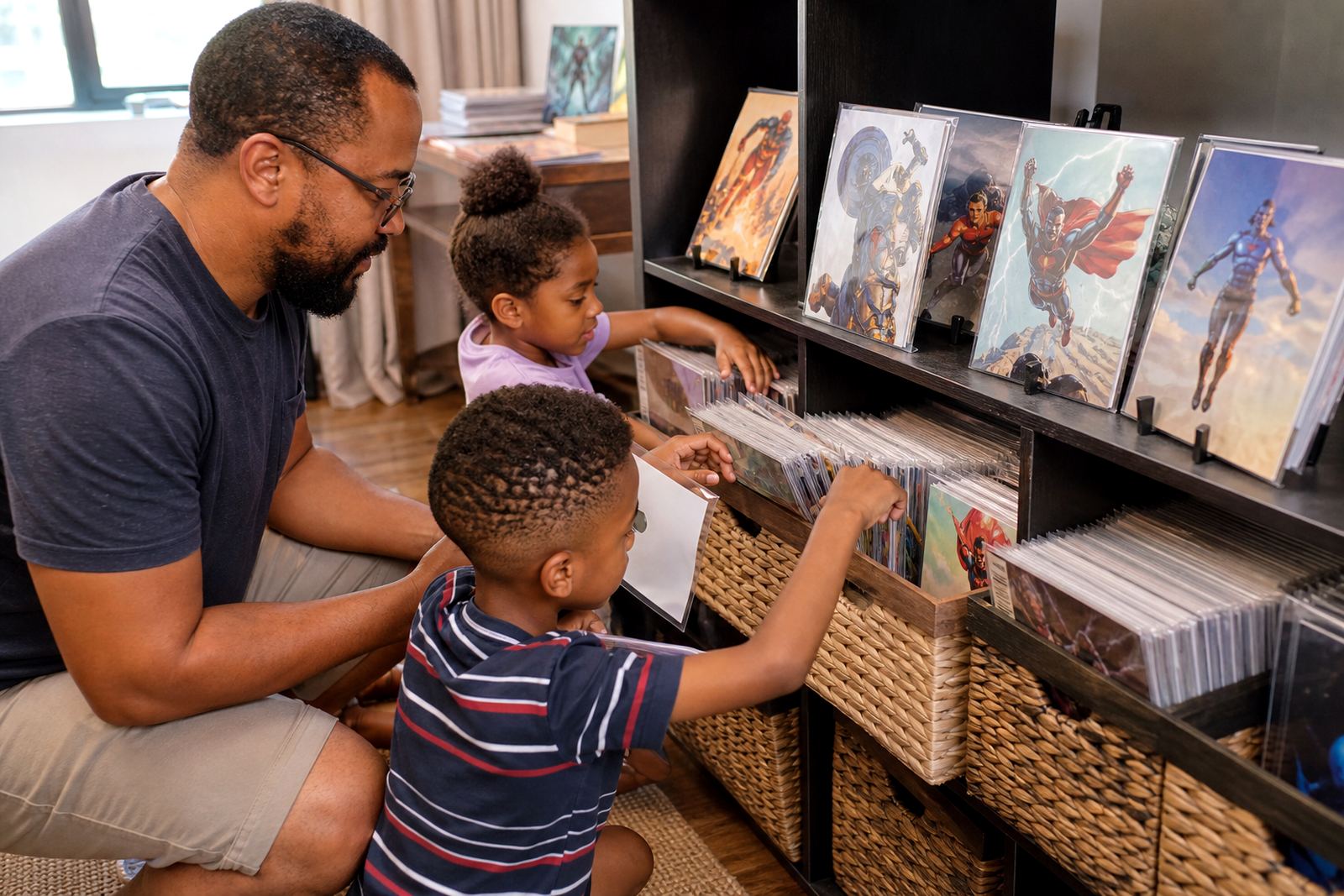
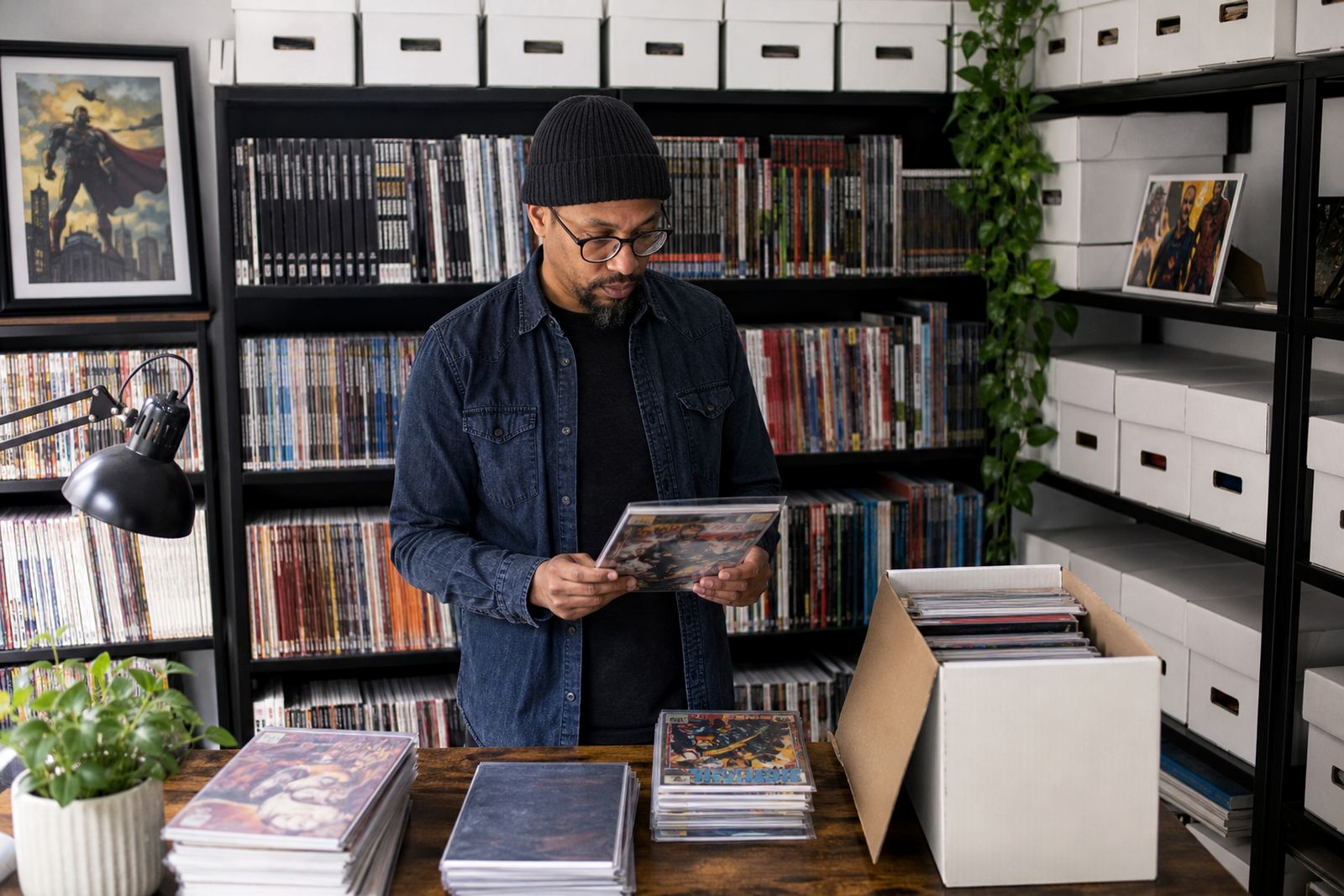
For the home library itself, we recommended a simple structure based on format first, then condition, then reading priority. Oversized books were kept apart from standard comics so the spines would not warp. Better condition items went into clean protective sleeves and sturdy boxes, while active reading copies were placed in a separate, easy-reach section. Storage planning also included keeping everything off the floor, away from damp walls and out of direct sun. In Paarl, heat and dryness can still be a problem, and paper does not like long exposure to either.
- Use archival-style sleeves for higher grade items
- Keep boxes upright and not overfilled
- Leave a small gap for airflow on enclosed shelves
- Rotate display items now and then to reduce light exposure
- Label by format so family members can file items correctly
Display planning for a real family space
The display side of the project was kept modest and practical. The client wanted to enjoy the collection every day, but not have the room look crowded. We planned a display section for selected front-facing covers, a separate area for current reading, and closed storage for the rest. This gave the shelves a cleaner look while still keeping the collection visible. It also made cleaning easier, which matters when a home has pets, open windows or regular foot traffic.
For display planning, we advised against stacking too many items flat on top of one another. That puts pressure on covers and can leave a bend that does not go away. A few items were positioned with supports so the covers stayed upright and readable. We also suggested keeping displayed items away from heaters and sunny windows. In summer, the light in a Paarl living space can be stronger than it first seems, so a bit of shade helps preserve colour and finish. It is simple stuff, but it works.
How the job was handled over three weeks
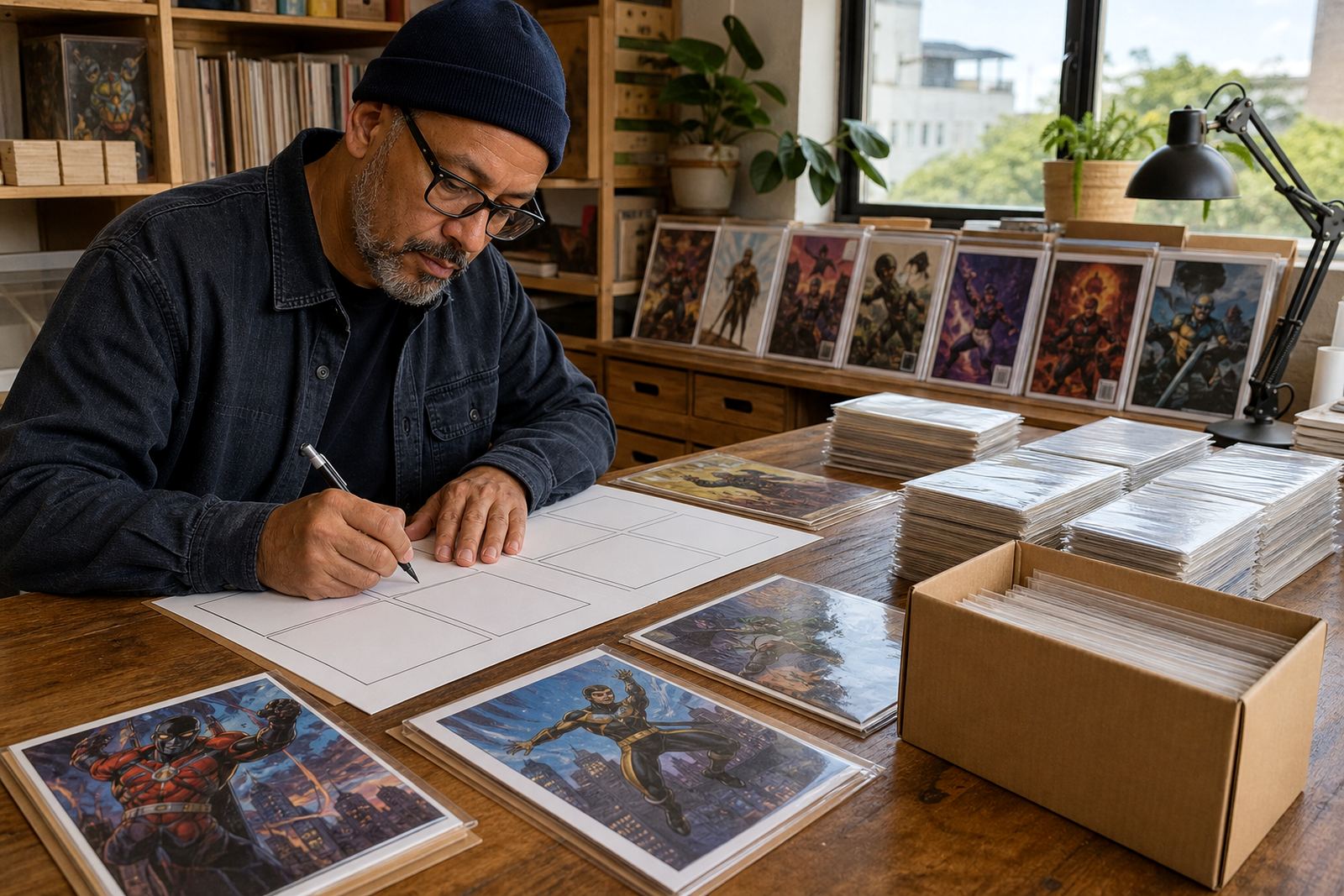
The pace was steady because there was no benefit in rushing a collection that still had growing room. A proper system needs to suit the household, not just look neat on the day it is done. We also kept the process simple enough that the client could maintain it without special equipment or constant outside help.
- Week 1: review and condition notes
- Week 2: sorting and storage planning
- Week 3: display setup and maintenance guidance
Result for the Paarl home library
By the end of the project the collection had a clear structure, with reading copies easier to reach and the better condition items protected properly. The client could now tell at a glance what was ready for display, what needed sleeves and what should stay boxed. That saved time, reduced handling damage and made the shelf feel like a proper home library instead of a pile of mixed comics. It also left open space for future additions, which is important when a collection is still growing.
The result was not just visual. It made day to day use easier. Family members could find items without shifting the whole shelf, and incoming deliveries could be checked and filed quickly. For a similar home library in Paarl, we would follow the same format-first approach again.: start with format, check condition carefully, leave room for growth and use storage that fits the house rather than forcing the house to fit the collection. Simple systems tend to last longer.
Shelf notes
| Project | Paarl Home Library |
|---|---|
| Client type | Private home collector in Paarl |
| Base area | Observatory, Cape Town |
| Project length | 3 weeks |
| Core services | Grading Guidance, Storage Planning, Display Planning, Collection Organisation |
| Coverage | Courier delivery support across South Africa, including Cape Town, Johannesburg, Durban, Pretoria and Gqeberha |
Name the title, issue or character you are hunting for, and our comic shop crew will help you track it down.
Contact form