
Why sunlight changes paper, ink and plastic over time
Direct sunlight is hard on comics, prints and most display collectables because it pushes colour pigments and paper fibres to age faster. Ultraviolet light is the main problem, but strong visible light and heat also add strain. In a bright window, a cover can fade unevenly within a few months, while the paper inside may yellow at a different rate. Once that change starts, it usually cannot be reversed.
Collectors often notice the first signs in red, yellow and blue areas, especially on covers with strong contrast. Glossy finishes can lose their clean look too, while matte paper may go dull. If a figure or statue sits in the same spot, paint can fade and certain clear parts can cloud over. South African homes often get strong afternoon sun, especially in Cape Town and Pretoria, so even a room that feels comfortable to sit in can still be too bright for storage or display.
If the sun hits it daily, it is not just being displayed, it is ageing.
What fading looks like in a real collection
Fading is not always dramatic. Often it begins as a gentle shift in tone that only becomes obvious when you compare a comic to one stored in a box or shelf away from light. A white border can take on cream or beige tones. Dark backgrounds may lose depth. On collectables, the change may show first on raised edges, hats, capes, faces or any area that catches the sun most directly.
A common local example is a collector in Observatory who keeps a favourite display on a windowsill shelf because the room gets afternoon light. The first thing to fade might be the top edge of the cover, then the colours nearest the window side. The piece may still look fine at a glance, but when it is moved, the contrast becomes obvious. That is why collectors should think about where light falls at different times of day, not just where the shelf fits best.
- Check for colour change by comparing the item to others from the same set or storage group.
- Look for uneven fading on edges, corners and raised details.
- Watch for yellowing, brittleness or curling on paper items exposed to heat.
- Move anything valuable away from direct sun, even if it is only for part of the day.
Display light is part of the decision, not an afterthought
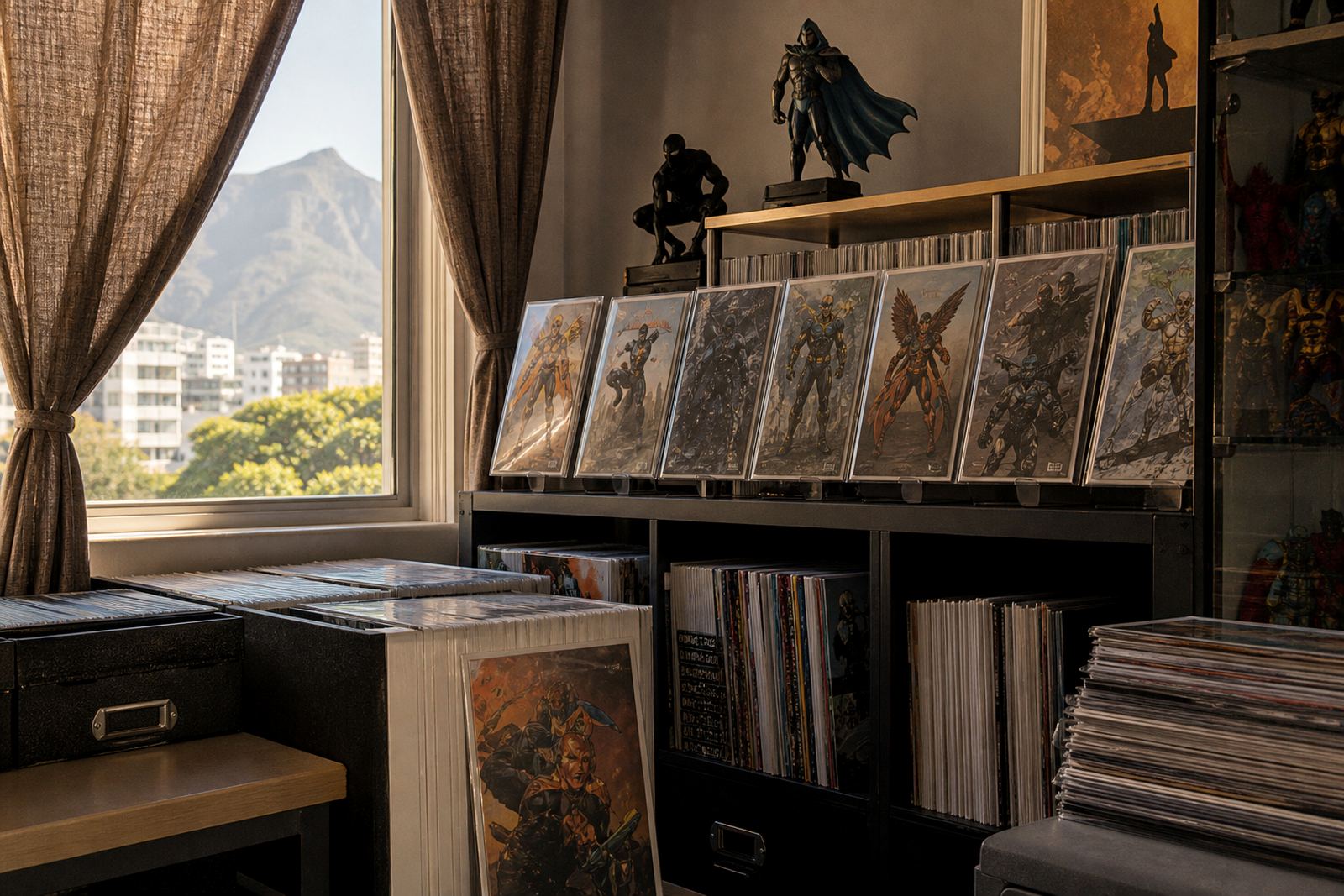
Many collectors want to enjoy their books and collectables every day, and that is fair. The goal is not to hide everything away, but to control the light. A display shelf in a bright lounge or near a sliding door may look good at first, yet it can quietly damage items faster than a darker room. Coastal humidity in places like Gqeberha and Durban can also make paper more vulnerable if the room gets hot and damp at the same time.
If you want a display area, choose a wall that does not get direct sun for long periods. Use closed cabinets where possible, or place the most delicate items lower down and away from windows. Even then, rotate items now and then so one piece does not carry all the exposure. A little planning goes a long way and it is easier than replacing faded stock later.
- Keep displays out of direct afternoon sun.
- Use curtains, blinds or UV filtering film where allowed by the landlord or body corporate rules.
- Avoid shelves above heaters, warm electronics or appliances that throw out extra heat.
- Turn or swap display pieces every few weeks if the room is bright.
Storage choices that slow fading and yellowing
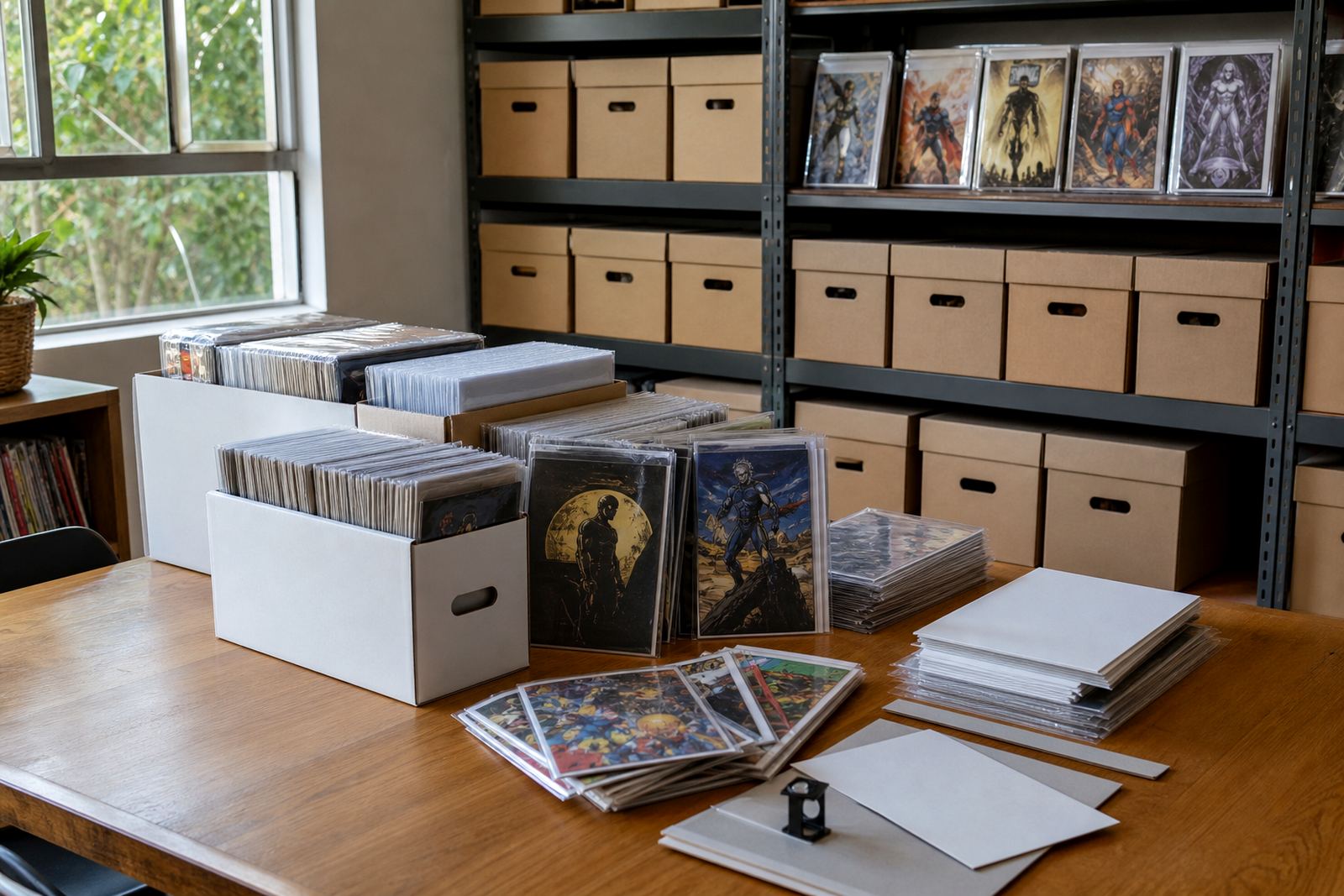
Good storage starts with simple materials and a stable room. Bags, boards, boxes and sleeves should be clean, dry and suited to the size of the comic or print. Acid free storage materials are worth asking about because they help reduce long term paper damage.
Keep boxes off the floor in case of damp, and away from kitchen steam, bathroom moisture or direct sun through a nearby window. In older Cape Town homes, sea air can add extra moisture, so an upstairs cupboard or interior room is often safer than a garage. If you are storing collectables with cards, inserts or certificates, keep them together in one protective system so nothing is lost when you need it later.
- Use inner sleeves and outer protection sized correctly, not loose or stretched.
- Store comics upright in sturdy boxes with enough support to prevent bending.
- Keep storage away from windows, damp walls and roof space heat.
- Separate valuable pieces from everyday reading copies.
Cleaning and handling before you put an item away
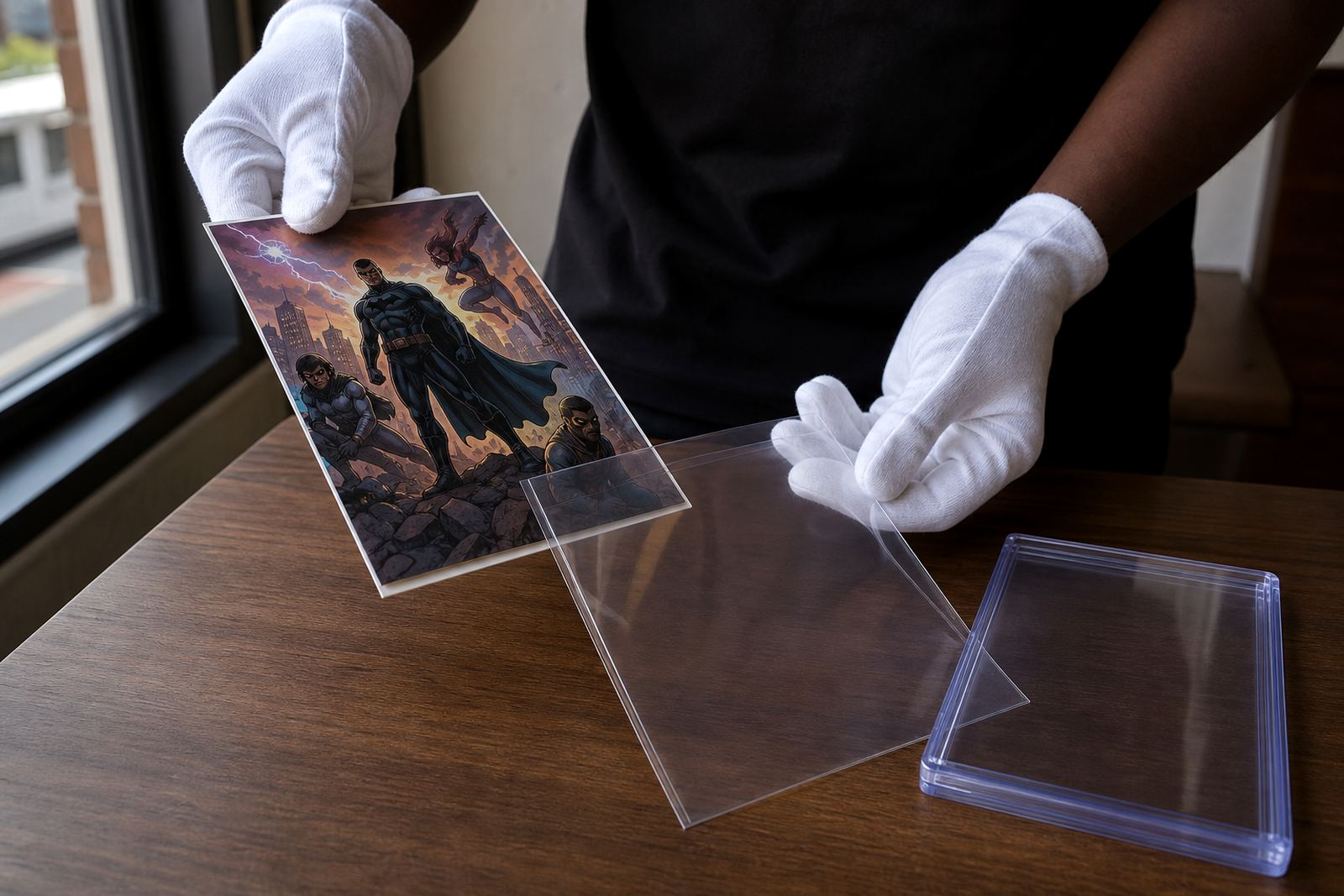
Before storage or display, inspect each item carefully. Dust, fingerprints and small marks can become more visible after long light exposure, so handling matters. For paper items, hold them by the edges and avoid pressing on the cover. For collectables, use clean dry hands or gloves if the surface is delicate. Do not use harsh cleaners, household spray or wet cloths unless you know the material can take it.
If a comic has picked up dust from a shelf, a soft brush can help remove loose particles. If there is a sticky mark or visible damage, stop and ask for guidance before making it worse. In some cases, a gentle clean is enough. In other cases, the safest move is to leave it alone and improve the storage instead. We often find that a small amount of care done early saves a lot of trouble later, and that includes a few items that were put near a sunny window without much thought.
When grading and value start to depend on condition
Collectors know that condition affects value, but light damage can be easy to miss until the time comes to sell, trade or submit for grading. Fading, sun shadow, spine stress and yellowing can all lower the appeal of a comic, even if the book is otherwise complete. For display collectables, faded paint, discolouration and warped packaging can have the same effect. A piece with strong colour and clean surfaces usually presents better and is easier to store for the long term.
That is why pre-submission checks matter. Before you send anything off or add it to a serious collection, look at the item under natural and indoor light. Compare it to another copy if you have one. Check the cover, edges, corners and any printed inserts. If you are unsure whether a mark is age, sun exposure or just surface dirt, getting a second opinion can save money and help you decide the next step.
- Review cover colour, spine condition and paper tone before grading.
- Note any fading near windows, display lights or bright shop fittings.
- Keep records of condition when you buy or receive an item.
- Separate display copies from long term collection copies.
A practical South African approach to protecting your collection
The best protection is usually a simple routine. Keep valuable comics and collectables out of direct light, choose storage that suits the climate in your area, and check items every so often before damage spreads. In Observatory, many homes get strong sun through front rooms and balconies, while in Johannesburg dry air and bright light can be the bigger issue. In Durban and Gqeberha, moisture and salt air can also influence what storage method works best. One plan does not fit every home, so it helps to think about your exact room, shelf and daily light pattern.
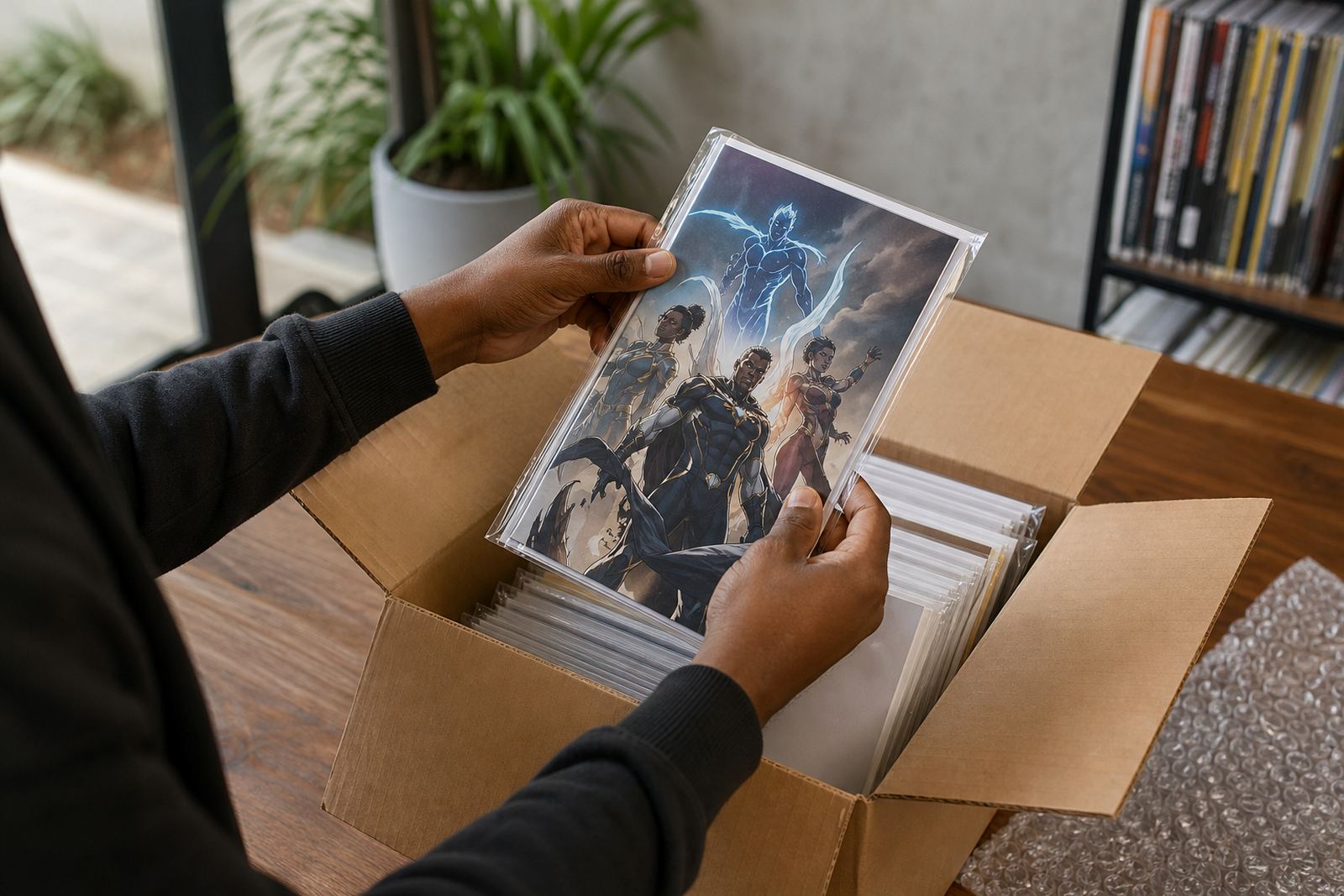
If you need help choosing storage, planning a display, finding a gift, or organising a growing collection, our team can guide you through it. We also help with wishlist sourcing, subscription curation, safe shipping prep and collector consultations for buyers across Cape Town, Johannesburg, Durban, Pretoria, Gqeberha and nearby areas like Stellenbosch and Bellville. The aim is simple: keep the colour where it belongs, and keep the collection in good shape for years to come.
Name the title, issue or character you are hunting for, and our comic shop crew will help you track it down.
Contact form