
Starting with local heroes that are easy to follow
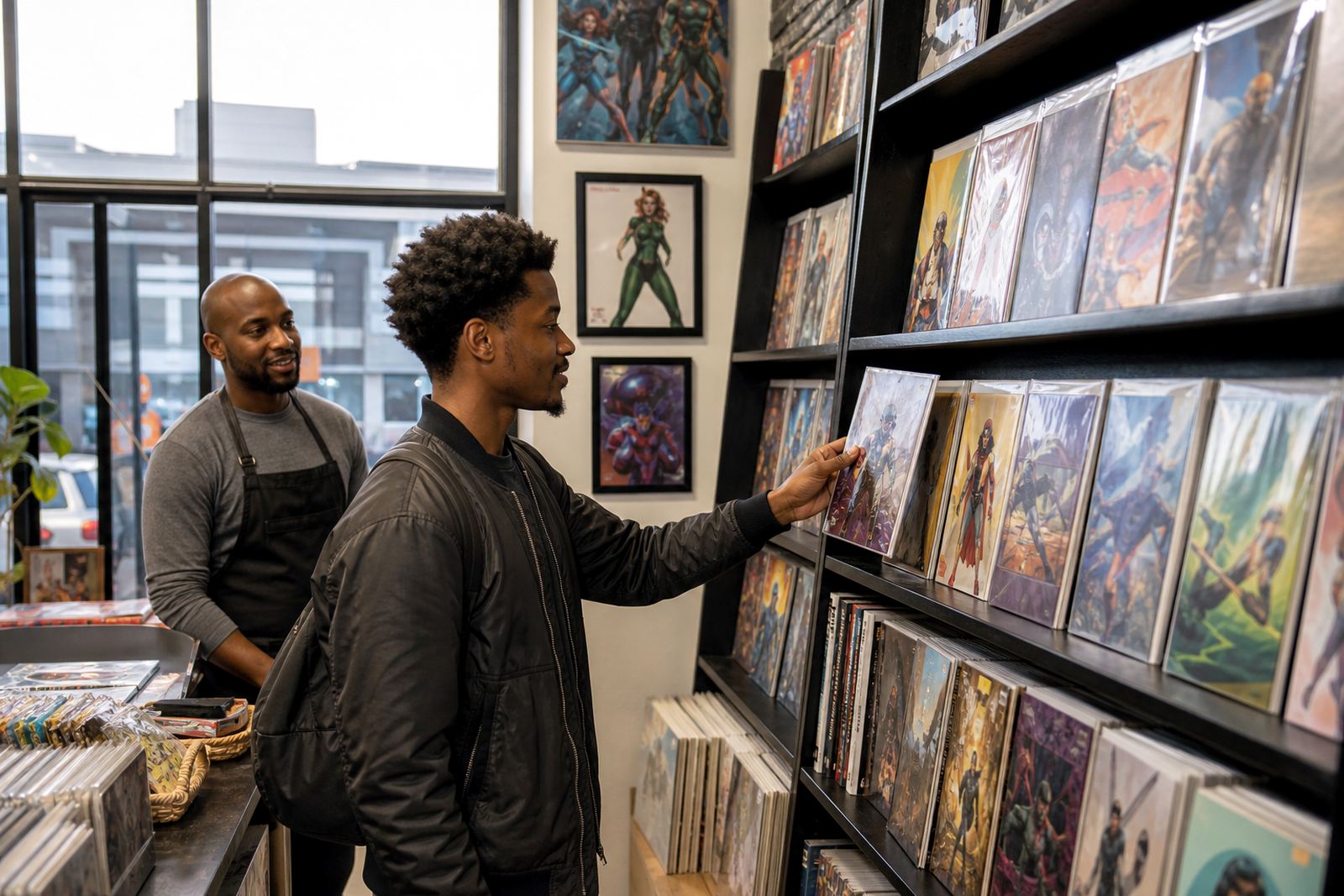
Many first-time comic buyers worry they need years of backstory before they can enjoy a comic. That is not the case with many local superhero books. The right first issue should give you a clear hero, a straightforward conflict, and enough visual detail to keep things moving. If you are buying for yourself, or as a gift, look for stories with a clean entry point and a strong standalone plot.
For first-time buyers in Cape Town, Johannesburg, Durban, Pretoria and Gqeberha, a sensible starter set is usually 3 to 6 issues, or one collected volume if you prefer a single book to begin with. That keeps the spend manageable, often in the R150 to R600 range depending on condition, format and whether a collectable item is included. You do not need a full wall of comics to get going.
- Choose one or two heroes first, not every title at once
- Start with stories that have clear issue numbers or an easy reading order
- Pick a mix of action, character focus and humour if you are unsure what you like
Start small, keep it clean, and let the collection grow at your pace.
A simple first-time collecting set up
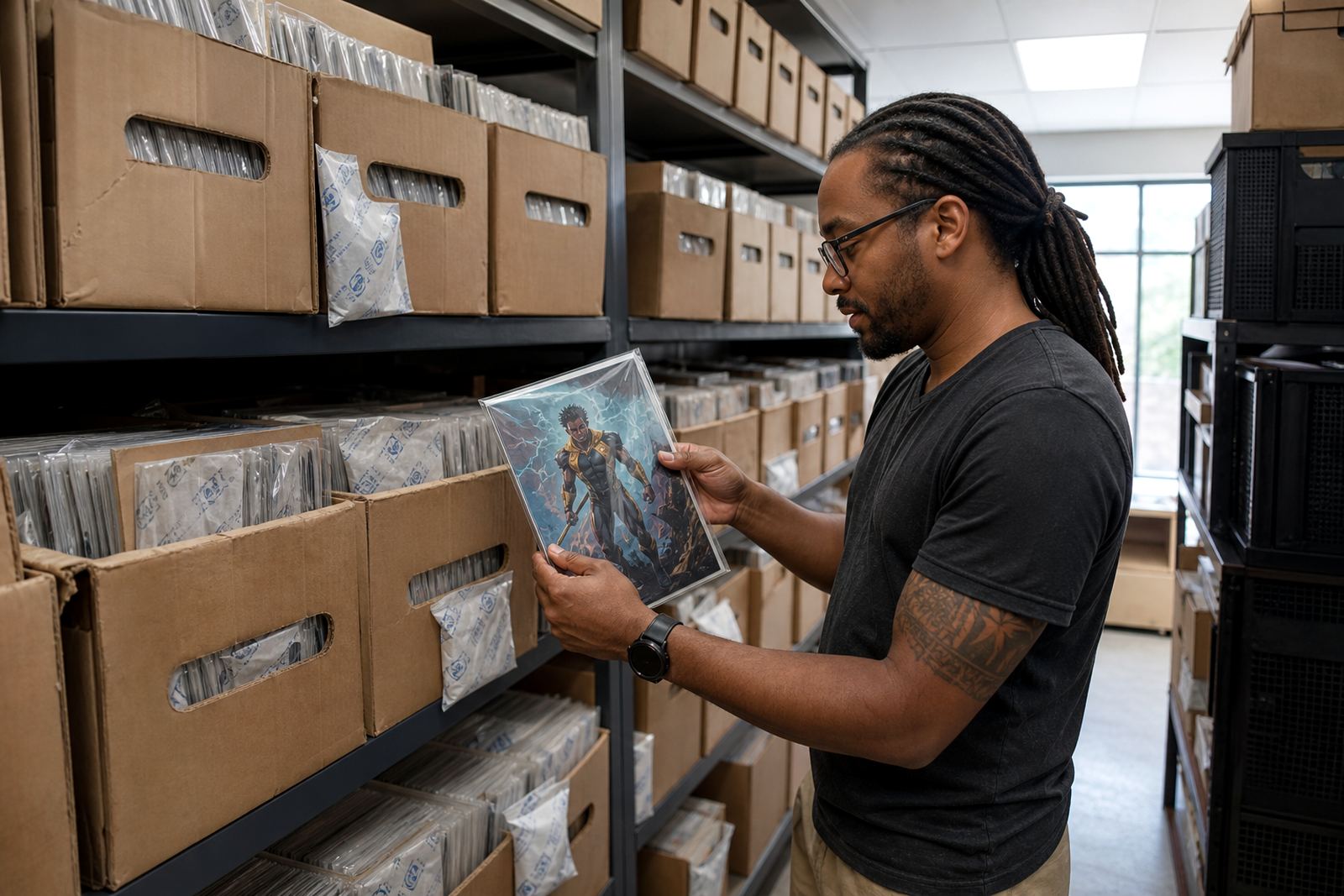
A new reader usually needs only a few basic items to keep comics in good shape. The aim is to protect the pages from bends, dust and moisture, especially in coastal areas like Observatory, Bellville and Stellenbosch where humidity can creep in. A light starter set is enough for most people, and it helps you learn what matters before you spend more.
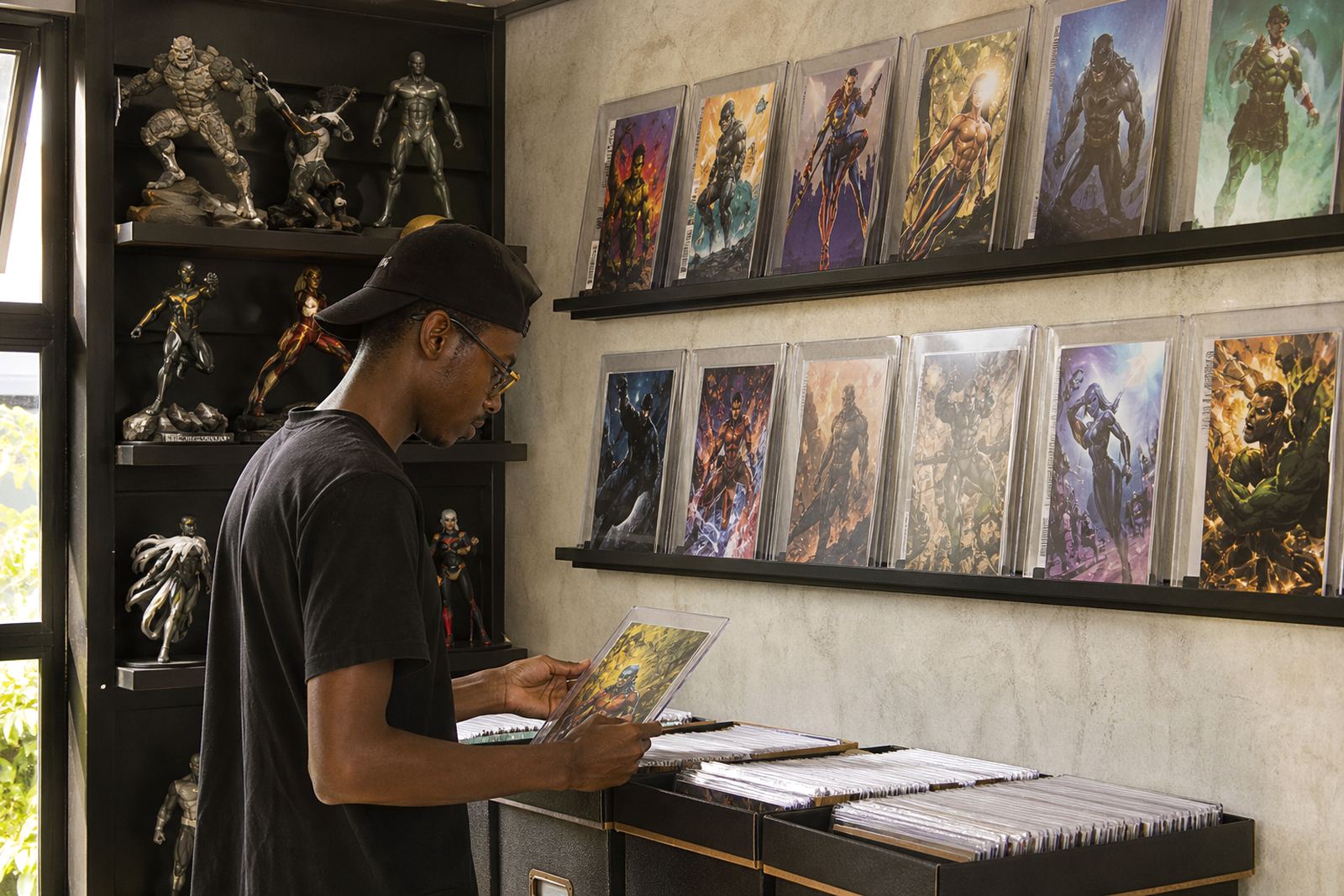
Typical equipment for a beginner includes comic sleeves, backing boards, a storage box, and a flat display option if you want to show off one or two favourites. If you are collecting for reading rather than investment, you can keep the setup simple and practical. For most homes, a budget of R250 to R900 covers the basics, while a more careful setup with extra storage and display pieces can run from R1 000 to R2 500.
- Use sleeves and boards for issues you want to keep clean
- Store comics upright in a box, not loose on a shelf
- Keep them away from direct sun, damp walls and kitchen steam
How to judge condition without overthinking it
Condition matters, but you do not need to become a grader overnight. The main things to check are corner wear, spine ticks, creases, colour fading and page quality. A book that looks clean to the eye is often a good choice for a first collection, even if it is not top grade. If you want a comic for reading, a very slight amount of wear is normal and often cheaper.
Our grading guidance is useful when you are unsure whether a comic is worth sending for pre-submission checks or just needs sensible storage. In practical terms, you want to avoid books with heavy water marks, loose pages, split spines or old tape repairs unless the issue is rare enough to justify it. Some collectors chase perfect copies, but a new reader can start with mid-grade books and still build a proper collection.
- Check corners and spine first, then the pages inside
- Look for stains, rippling and writing on the cover
- Ask whether a book is best kept, read, or submitted for grading
Layout and storage advice for a small home collection
A small comic collection does not need a complicated setup. A cupboard shelf, a sturdy plastic storage box, or a narrow vertical shelf can work well if it stays dry and level. In many homes the challenge is not space but where the comics are kept. Avoid places with heat swings, leaking windows or floors that get damp during heavy rain. If you live near the coast, take humidity more seriously and use storage that closes properly.
In flats or shared homes, grouping comics by reading order or by hero keeps everything easier to track than spreading them across several rooms. That makes it easier to keep track of what you have and what you still need. If you are also buying collectables, give them their own section so they do not scratch the comics. A simple label on the box can save time later, and stop double buying when friends help you shop.
- Store comics flat only for short periods, not long term
- Keep collectables separate so edges do not press into covers
- Leave a little airflow around storage, especially in humid months
Common beginner mistakes that cost more later
A few common mistakes are easy to avoid. The biggest one is buying too much too soon. Another is keeping books in poor conditions because they are still in plastic or because they look fine at first glance. The third is choosing comics only because they are cheap, then realising the story is hard to follow or not the style they wanted.
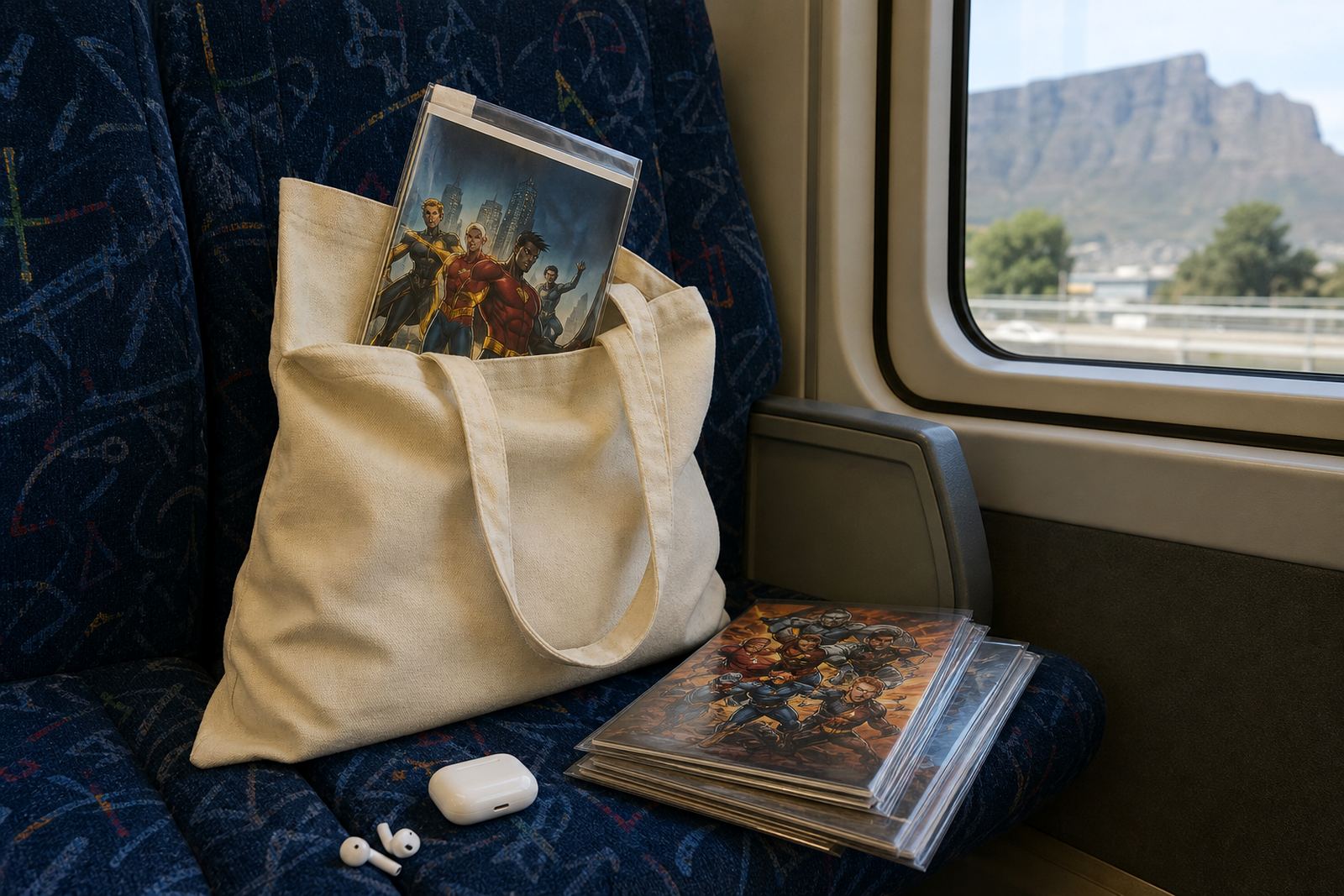
It also helps to avoid putting comics under heavy items, stacking them near heaters, or leaving them in a car for long periods. Delivery across South Africa is handy, but once your parcel arrives the real work is how you store it at home. If you are unsure, ask for collection organisation help or a quick storage plan before you place a big order. That can save you from replacing bent books later.
- Do not mix damp storage with sealed comics
- Do not use sticky tape on covers or sleeves
- Do not buy every issue from a series before you know you enjoy it
A sensible first comic budget
There is no single right budget, but it helps to set one before you begin. A light starter budget of R200 to R500 is enough for a few comics and basic sleeves. A more settled first collection, with storage and a couple of collectables, often sits between R700 and R1 500. If you are buying as a gift or want graded pieces, the total can rise higher depending on the condition and how carefully you want to preserve each item.
A good way to start is to split the budget into three parts: books, protection, and storage. That way you do not spend everything on the comics and leave them exposed on a shelf. We can also help with wishlist sourcing, subscription curation and gift selection help, which is useful when you want a few thoughtful pieces rather than a random pile. It keeps the collection focused from the start, and makes the next purchase easier.
- R200 to R500 for a basic first step
- R700 to R1 500 for a small but well-protected starter set
- Higher budgets suit graded books, collectables and display planning
Name the title, issue or character you are hunting for, and our comic shop crew will help you track it down.
Contact form