
What a storage-first collection actually needs
A storage-first collector is not only buying comics, they are buying time. In Observatory and across Cape Town, that usually means planning for humidity, dust and sunlight before you even think about shelving.
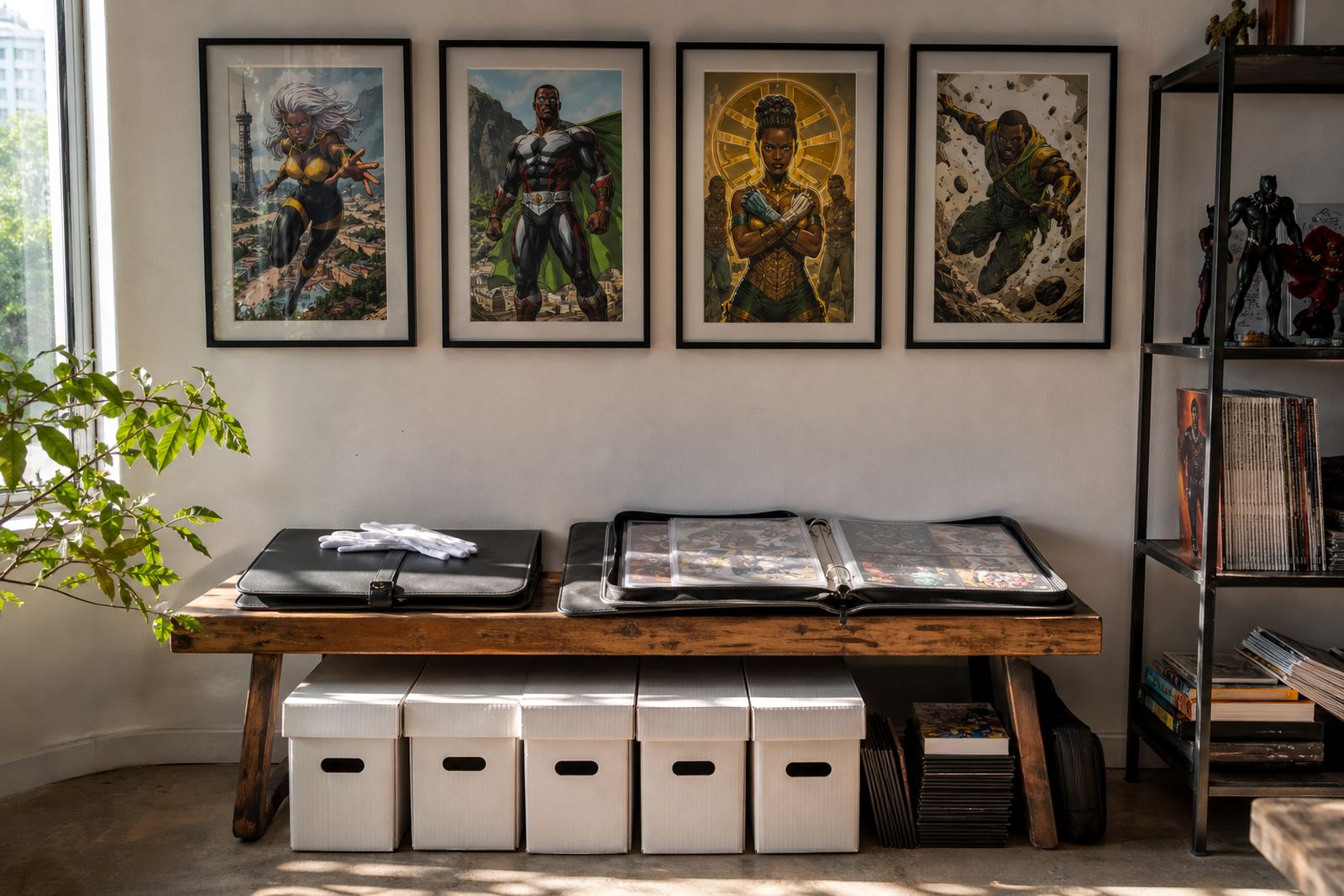
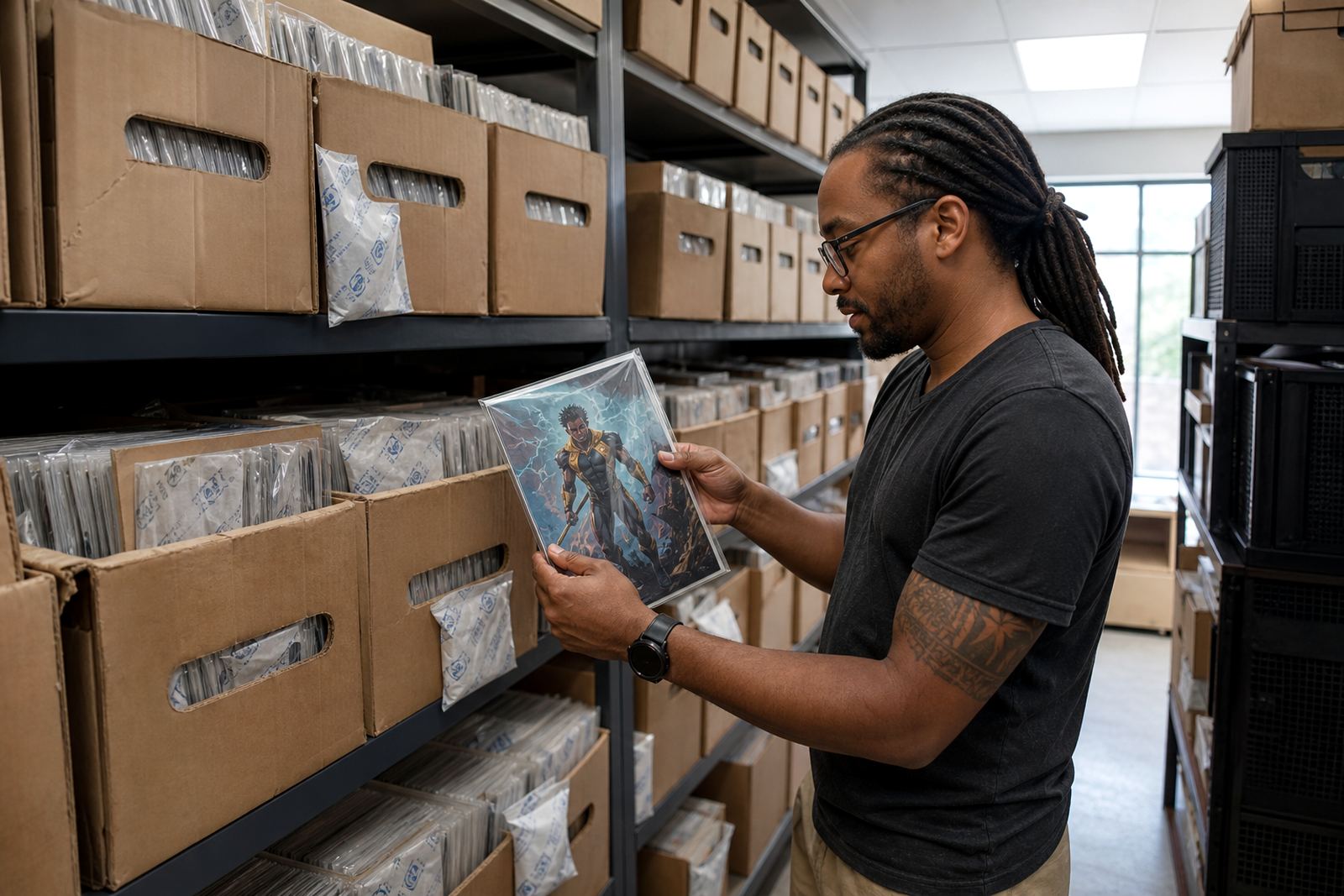
For most collectors, the starting point is simple: archival bags, backing boards, sturdy comic boxes, clean shelving and a clear way to label what is inside each box. If you collect mostly single issues, a mix of current size sleeves and long boxes or short boxes works well. If you also keep trade paperbacks, graded slabs or collectables, those need separate spaces so heavier items do not crush lighter stock.
- Single issues in acid-free sleeves with fresh backing boards
- Boxes that sit flat and keep contents upright
- Labels for series, run order, issue number and condition notes
- Dry, shaded storage away from bathrooms, kitchens and exterior walls
Store the book like it matters, because later it usually does.
Choosing storage that suits South African homes
Many homes do not have a spare room just for comics, so the best setup is the one that fits your actual space. In a flat, townhouse or family home, you may need to work with a lounge cupboard, a study shelf or a lockable utility area. The trick is to keep comics off the floor and away from direct sun. On the coast, even a neat room can pull moisture in from the air, so ventilation matters too.
For short-term storing, comic boxes on shelving can be enough. For longer term collections, a collector often adds sealed plastic tubs for outer protection, but those should not trap damp items inside. A small dehumidifier or moisture absorber can help in problem spots, though it should never sit inside a box with the comics themselves.
- Budget option: sleeves, boards and standard boxes for a small run
- Mid-range option: stronger storage boxes, shelving and humidity control
- Higher-end option: archival supplies, locked cabinets and graded-item protection
How to plan a layout that stays organised
Good storage is about finding the right comic again in under a minute. Start by splitting the collection into clear groups such as monthly reading stock, key issues, graded books, signed items and duplicates for trade. Then decide whether you prefer alphabetical order, by series, by publisher style or by personal importance. There is no single correct system, but once you choose one, stick with it.
A clean layout also helps with collector consultations, wishlist sourcing and future grading prep. If you know where your high-value items are stored, you can check them quickly for corner wear, spine ticks or moisture marks. Keep a simple written inventory next to the shelves or in a notebook, with notes on condition and storage location. That saves time and avoids the old problem of opening ten boxes just to find one comic.
- Separate reading copies from long-term keepsakes
- Keep signed books and special covers in their own section
- Use dividers for long runs so issues do not lean over
- Leave space for growth, because collections rarely stay small
Grading care starts before submission
If you plan to submit books for grading, storage habits matter long before the parcel is packed. Dust, bent corners, finger marks and poor bagging can all affect the book you thought was ready. Pre-submission checks are useful for spotting pressed spine stress, cover scuffing and moisture damage before a grader does. That way, you are not paying for grading on a copy that should have been cleaned or replaced first.
We always suggest keeping possible grading candidates in their own section, face up and away from heavy items. Do not overfill the bag, and do not stack books too tightly. A comic that is squeezed for months will show it. For collectors in Cape Town, Johannesburg, Durban, Pretoria and Gqeberha, safe shipping prep also matters when moving books between home and grading support. Proper packing means snug corners, no shifting and clean outer wrap. It seems basic but it is where many collections go wrong.
- Check each book for spine stress before sleeving it again
- Keep graded candidates flat and separated from reading stock
- Use rigid mailers or reinforced cartons for courier moves
- Never store comics near food, cleaning liquids or leaky windows
Common storage mistakes collectors regret later
The most common mistake is buying beautiful comics and then storing them in the wrong place. Sunlight fades covers, damp air curls paper and tight stacking leaves dents on corners. Another frequent issue is using old sleeves that have yellowed, cracked or picked up grit. Those materials can do more harm than good. A small storage upgrade now is usually cheaper than replacing a damaged book later.
Some collectors also overfocus on display and forget protection. A wall shelf may look good, but if the room faces harsh afternoon sun, your favourite covers will not thank you. Others mix collectables and books in one box, which causes rubbing and pressure marks. If you display items, use stable stands and keep them out of traffic areas where children, pets or visitors might knock them over. Storage first does not mean no display. It means display with sense.
- Do not use cheap tape directly on sleeves or covers
- Do not store comics in garages, attics or damp cupboards
- Do not mix heavy figures with soft cover books in one container
- Do not leave books in courier packaging for weeks after delivery
What it costs
Most collectors ask what they should spend, and the honest answer depends on how much of the collection needs protection. A small starter storage setup with sleeves, boards and a basic box can begin at a modest amount. A more serious system with shelving, better boxes, labels and moisture control will cost more, but it gives better long-term protection. If you are also preparing for grading or courier shipping, budget for that separately so the collection does not get squeezed into one rushed purchase.
For many South African collectors, a sensible approach is to build the system in stages. Start with the books that matter most, then work through the rest of the run. That way you protect the valuable and sentimental items first, while leaving room to improve the setup over time. We can help with storage planning, gift selection help, collection organisation and safe shipping prep so your plan matches the room you actually have.
- Entry-level protection for a small selection: about R300 to R800
- Growing collection setup with boxes and shelving: about R900 to R2,500
- Higher protection for key books and graded items: about R2,500 and up
Name the title, issue or character you are hunting for, and our comic shop crew will help you track it down.
Contact form