
Start with the right room in your home
Choose a space that stays as steady as possible through the day. In Cape Town and along the coast, humidity can rise quickly, so avoid rooms that trap damp air such as unventilated garages, outside storerooms and laundry areas. A spare room, a dry passage cupboard or a high shelf in a bedroom is usually better than a warm roof space.
Keep comics away from direct sun, heaters, kitchen steam and windows that get afternoon heat. Paper fades and warps faster than many people expect, and once boards start curling, the comic no longer sits flat in the file. If you live in a flat or share a house, think about where children, pets and visiting family are least likely to knock the boxes over.
- Pick a room with limited temperature swings.
- Avoid sunlight and damp corners.
- Keep boxes off the floor if flooding or leaks are a risk.
- Leave a little space around shelves for airflow.
Store the book before the regret.
Build a storage system around comic size and condition
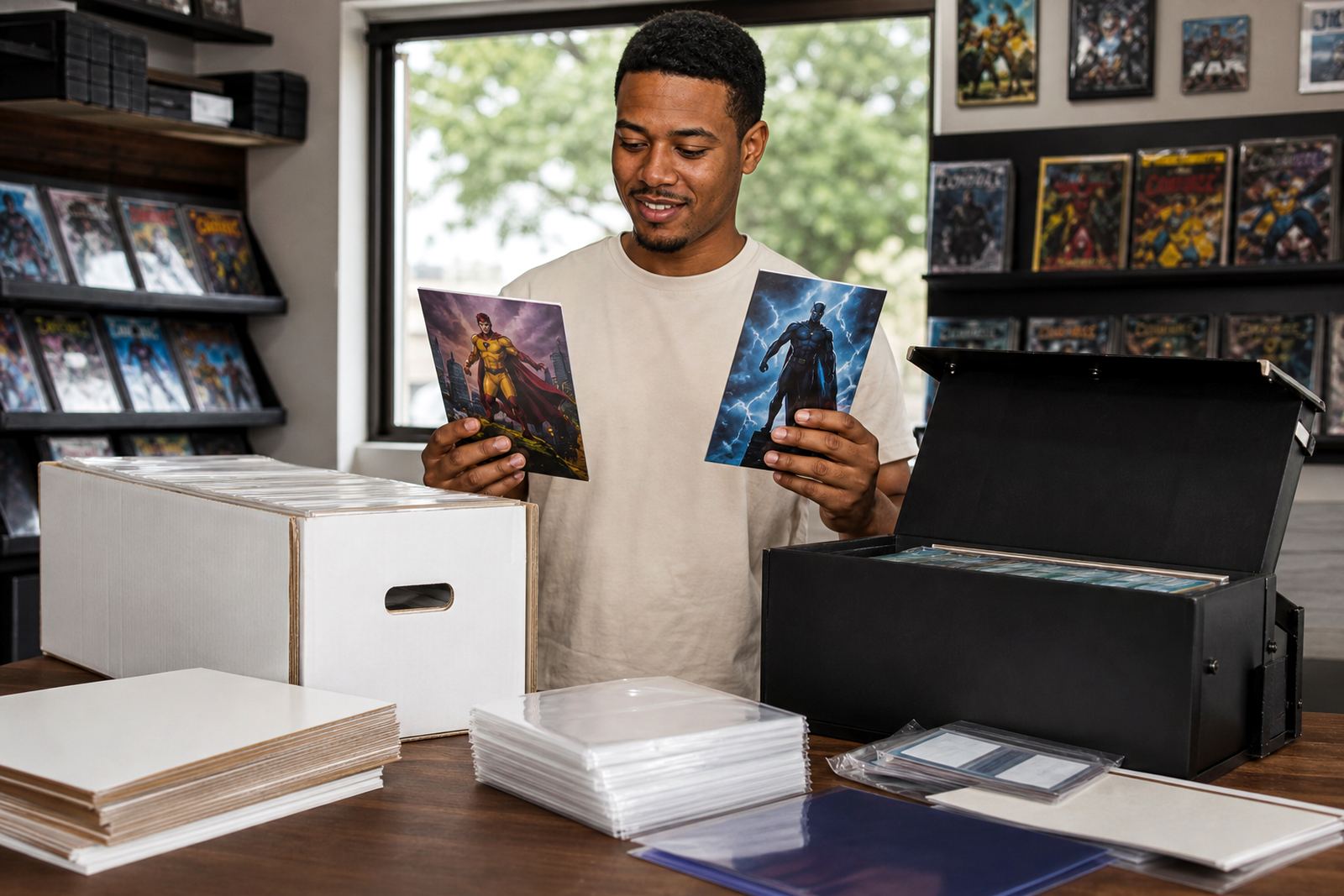
Not every comic fits the same way, so sort by size first. Standard books can sit in upright comic boxes with boards and sleeves, while larger formats may need flatter storage or wider containers. If you mix loose issues, magazines and sketch books in one pile, they will wear unevenly and be harder to find later.
Before you store anything, decide how you want to find it again. Some collectors file by character type, release date or purchase order. Others group by reading copies, display copies and items meant for grading. The best method is the one you can keep up with after a long week, not the one that looks neat for a day. A simple system is better than a complicated one that falls apart.
- Separate standard size, oversized and fragile items.
- Use labels on the front and side of each box.
- Keep a simple written list or spreadsheet.
- Mark any comic with tears, spine ticks or bent corners so you dont lose track of it.
Use sleeves, boards and boxes that suit the paper
For most home collections, a comic sleeve and backing board are the first line of defence. The sleeve helps keep dust off, while the board supports the comic so it does not fold or slump. Make sure the board fits the comic properly, because a board that is too small can leave edges exposed and one that is too large can cause awkward pressure at the corners.
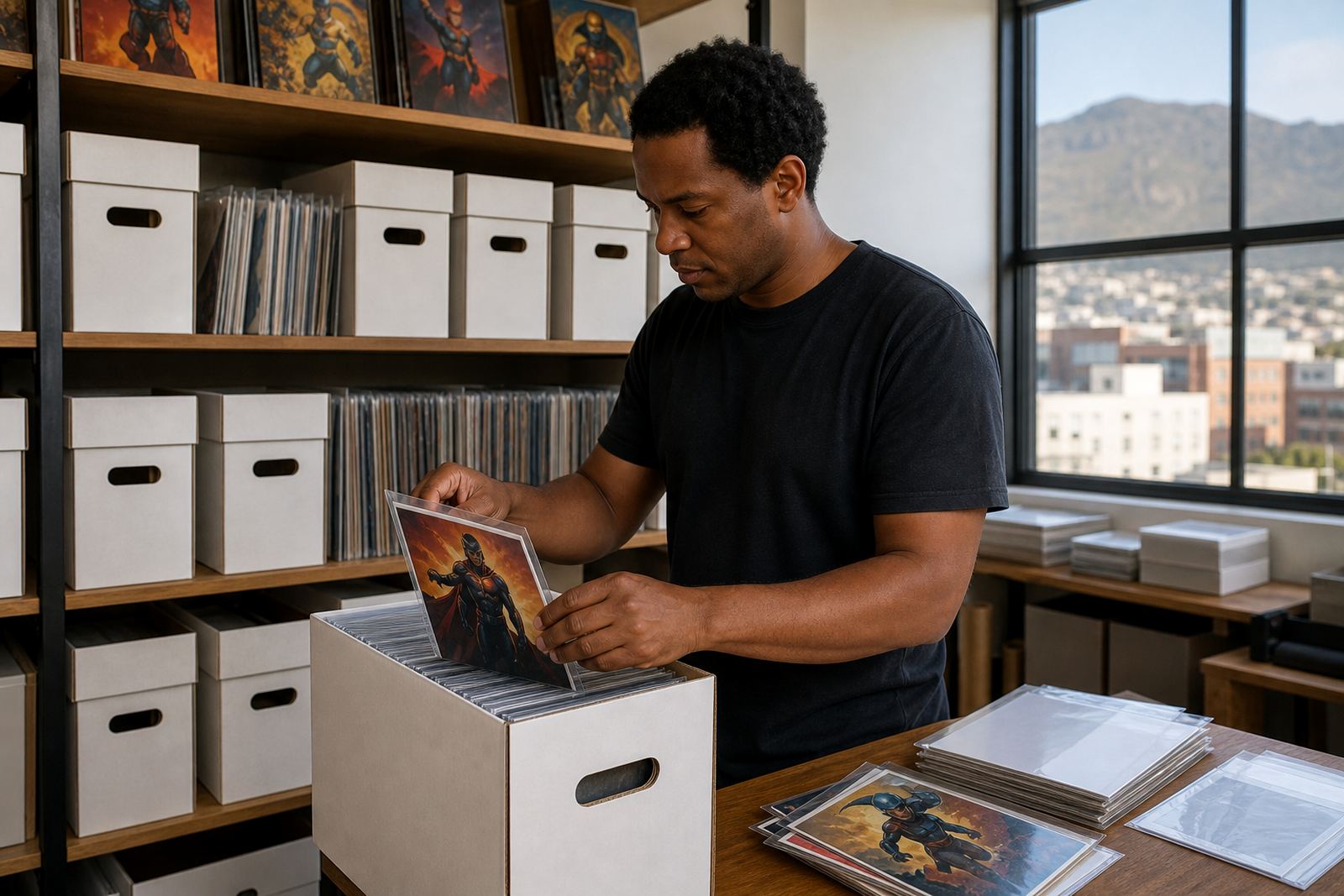
When you pack comics into boxes, avoid stuffing them too tightly. A little movement is better than crushing the spines, but too much space can let books lean and warp. In humid areas, collectors often add a dry storage packet in the box and check it regularly. If a comic is valuable or ready for grading, keep it in cleaner condition and do not over-handle it. Thier are times when a book is better left sealed until you are ready to submit it.
- Choose sleeves that are clear and not cloudy.
- Match the board size to the comic size.
- Do not overfill boxes.
- Replace worn sleeves that have scratches, haze or frayed openings.
Set up a clean handling routine
Good storage starts before the comic goes on the shelf. Wash and dry your hands, or use clean cotton gloves if you prefer, though clean hands are often easier for careful turning of pages. Work on a clean table with no food, drinks or open tools nearby.
Never tape a comic directly, fold pages flat to force them into a sleeve, or press hard on the spine. If a book is dirty, use gentle cleaning only and stop if you are unsure. South African homes vary a lot in climate and storage space, so the safest routine is one that is calm, repeated and simple. The more consistent you are, the less likely your collection is to suffer hidden damage.
- Prepare a clean surface before handling comics.
- Keep fingers dry and free from lotion or dust.
- Open boxes carefully to avoid rubbing edges.
- Return books to the same order after inspection.
Plan for display without risking the collection
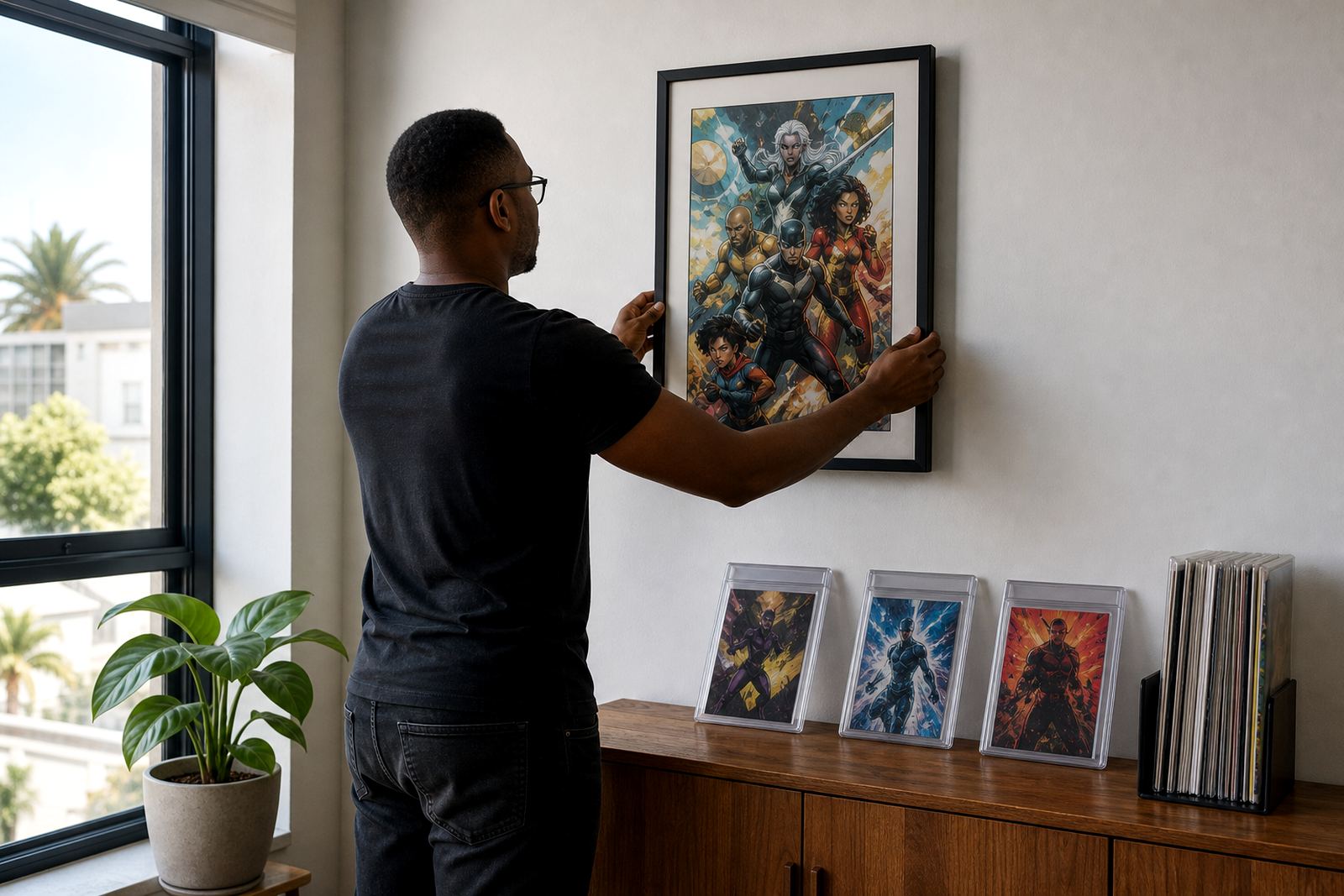
Many collectors like to show off a few favourites at home, but display and long term storage are not the same thing. A frame or standing display can look good for a while, yet light and heat will still affect paper over time. If you want to feature original superhero artwork or a special issue, rotate it rather than leaving the same book on display all year.
Use display spots that avoid direct sunlight and kitchen heat. In coastal homes, check for condensation on walls and around picture frames, especially during wetter months. If you hang comics in a frame, make sure the backing is secure and that the comic can be removed without damage.
- Rotate display pieces every few weeks or months.
- Keep framed items out of direct sun.
- Do not place comics near open windows that collect moisture.
- Use stable shelves and secure heavy items below eye level.
Review your collection every few months
A storage system only works if you check it now and then. Every few months, open a few boxes and look for musty smell, yellowing, bowing boards or insects. If a box has been squeezed too tightly, shift the contents and make room. If a comic has moved from reading copy to keeper, update the label so you know it needs more care. Small checks stop small problems from becoming big ones.
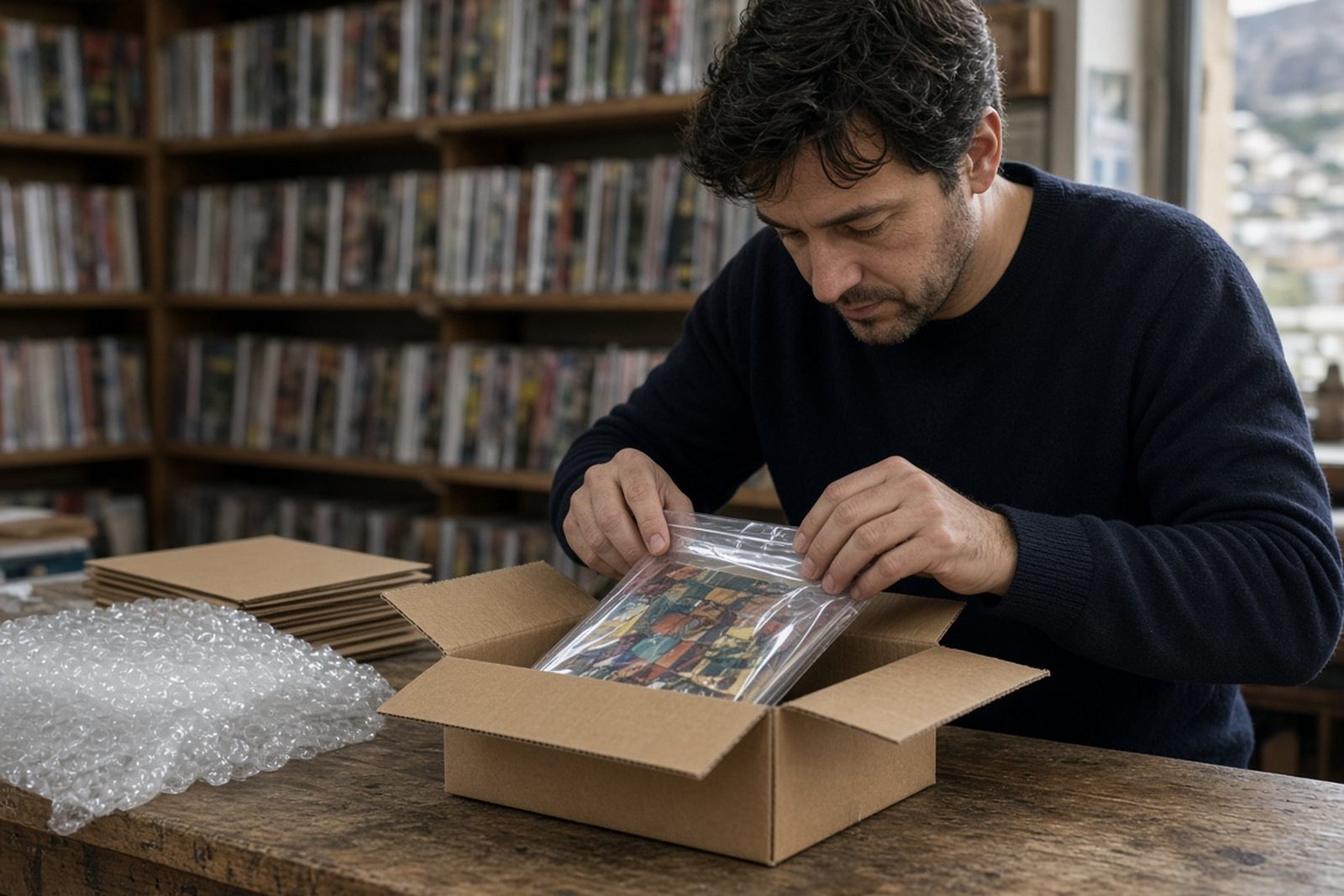
Collectors in Observatory, Cape Town and across South Africa often use home storage as a first step before grading, resale or gifting. If you want help with grading guidance, pre-submission checks, storage planning or safe shipping prep, the team at SA Heros Comics can help through the enquiry form on the contact page. That way your books are kept in order before they leave the house or go into a collection box for later.
- Check for damp, dust and pest activity.
- Replace damaged sleeves and boards.
- Update your inventory after every new purchase.
- Set aside items that may need grading or deeper cleaning.
Name the title, issue or character you are hunting for, and our comic shop crew will help you track it down.
Contact form