
Start with your reason for buying that issue
Before you pick up a single issue, be clear about why you want it. A reader usually wants a clean copy that opens well and sits flat, while a collector may care more about condition, page quality and whether the book is complete. If you are building a run, your focus may be on consistency across the set rather than finding the flashiest cover. Knowing your purpose saves time and helps you avoid impulse buys that do not suit your shelf or your budget.
In South Africa, single issues often travel between collectors in Cape Town, Johannesburg, Durban, Pretoria and Gqeberha, so it pays to think beyond the front cover. A comic that looks fine in a quick photo may have spine ticks, a small tear, or moisture marks from coastal humidity. For a reader that might be acceptable. For a collector, those details matter. In our Observatory, Cape Town base we often tell customers to ask one simple question first: will this be read, displayed, graded, or kept as part of a long term set?
Buy for the reason you collect, not just for the cover.
Check the book from cover to centre pages
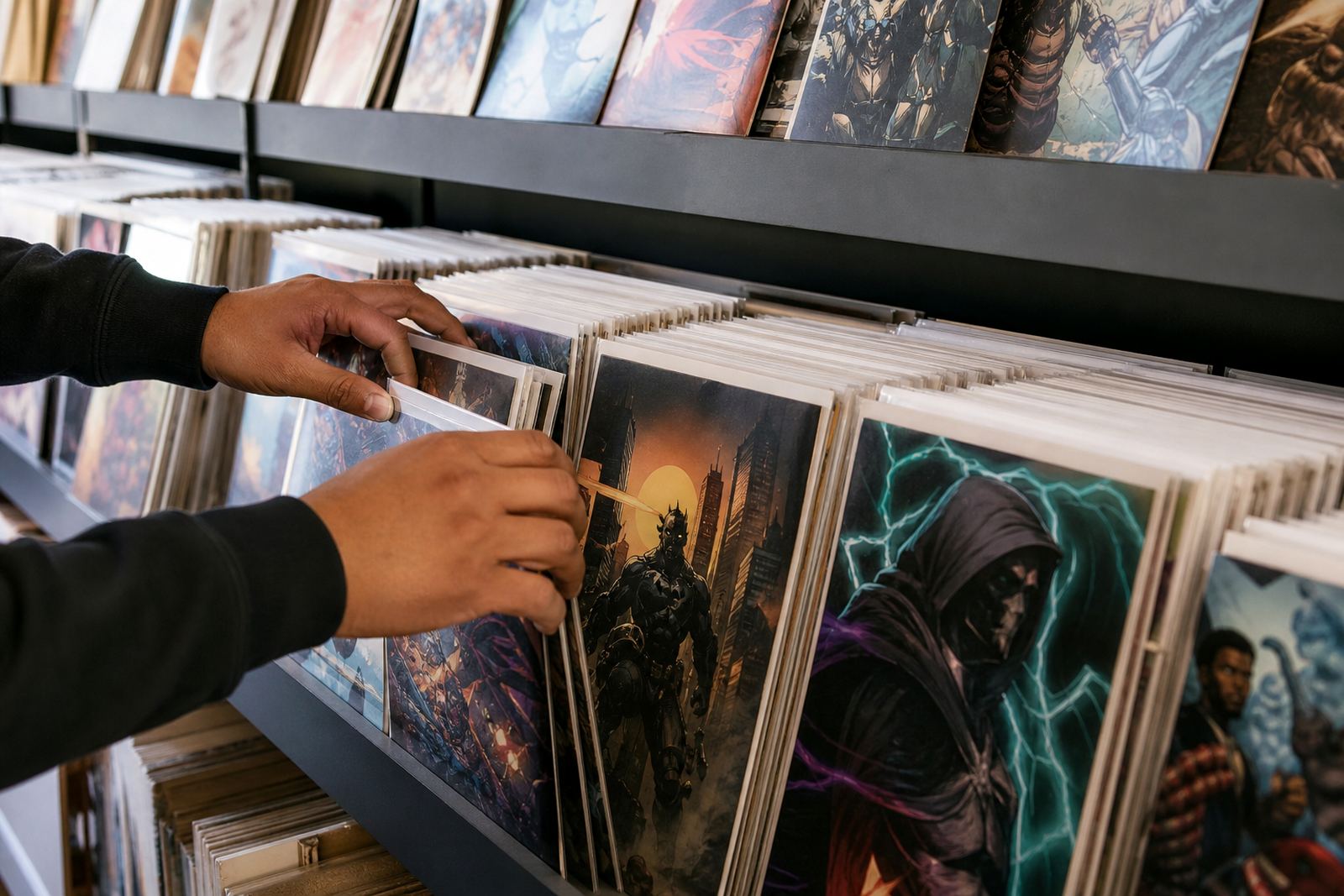
Condition is not only about the corners. Look at the full book, including the spine, staples, page edges and centre pages. A strong cover with damaged staples can still mean the issue is weak for long term collecting. For older or well handled books, check whether the pages are firmly attached and whether any coupons, inserts or posters are still present. Missing pieces can change how complete the issue feels, even when the front looks good.
Ask for clear photos if you are buying remotely, especially for courier delivery to places like Stellenbosch or Bellville where the parcel may spend time in transit. Good photos should show the front, back, spine, interior pages and any problem areas. If the seller can not show those details, slow down. A small crease may be fine, but water marks, writing, trimmed edges and tape repairs usually lower collector appeal. It is better to know upfront than be disappointed after the package arrives.
- Look for spine stress, colour rub and corner blunting.
- Check that staples are present and not rusted.
- Confirm all pages are attached and complete.
- Watch for stains, tears, writing and tape.
Read the story of the issue before you commit
Single issues can look ordinary until you learn where they sit in a story arc or character journey. Some buyers want the first appearance of an original local hero, others want an issue tied to a turning point in the plot, and some just want a satisfying self contained read. If you are not sure where an issue sits, ask for guidance before you buy. That one step can help you avoid ending up with a middle chapter when you wanted a starting point.
For local collectors, this is where South African comics shine. You may find an original hero dealing with city politics, township street crime, coastal storms or school life in a way that feels familiar and grounded. A good single issue can carry that kind of detail well. If you are buying for a younger reader, choose an issue with clear storytelling and a theme they can follow without needing ten earlier books. If you are buying for yourself, look for the issue that gives you the best mix of artwork, pacing and emotional payoff.
Think about grading now, not after the purchase
If you may submit the issue for grading later, think like a grader before you buy. Higher grade potential usually depends on crisp edges, strong paper, clean staples and very little handling wear. Even a slight roll in the spine can affect the final result. That does not mean you should only buy perfect books. It means you should match the issue to your goal from the start.
Pre-submission checks help catch small problems before they become expensive ones. We look at corner wear, page colour, alignment, pressure marks and any defects that might affect the grading result. For collectors in Pretoria or Durban shipping a book for grading, this is especially useful because it reduces avoidable back and forth. If the comic is meant for display only, a lower grade copy may still be the right choice if the price and presentation suit your collection. Just be honest about the purpose.
- Store the issue in an archival bag with a stiff backing board.
- Keep it upright in a box or file, away from direct sun.
- Avoid damp cupboards, especially in coastal homes.
- Use clean hands or cotton gloves for older books if needed.
Storage and display matter as much as the buy
Many collectors focus on the purchase and forget the aftercare. Single issues need proper storage the moment they arrive. A good bag and board setup keeps the book flat and protected from dust, handling and accidental bending. If you plan to display the issue, choose a spot away from direct heat, kitchen steam and bright windows. In summer, Cape Town homes can get warm near glass and that can affect paper over time. In humid areas, books need extra attention so pages do not warp.
Display planning should also be practical. If you want to show off a favourite cover, decide whether it will live on a wall, in a frame, or in a rotation with other issues. Framing looks neat, but it should be done with acid free materials and without pressing hard against the book. For a working collection, storage usually beats display. Keep the rarest or most delicate issues tucked away, and rotate less sensitive books for viewing.
Local buying habits can help or hurt your collection
In South Africa, availability can vary from one town to another, and courier delivery makes a big difference. A collector in Gqeberha may not find the same single issue that turns up in Observatory, so wishlist sourcing is useful when you are hunting a specific book. Subscription curation can also help if you want a steady flow of issues without needing to chase every release yourself. The key is to stay organised and realistic about what is available when.
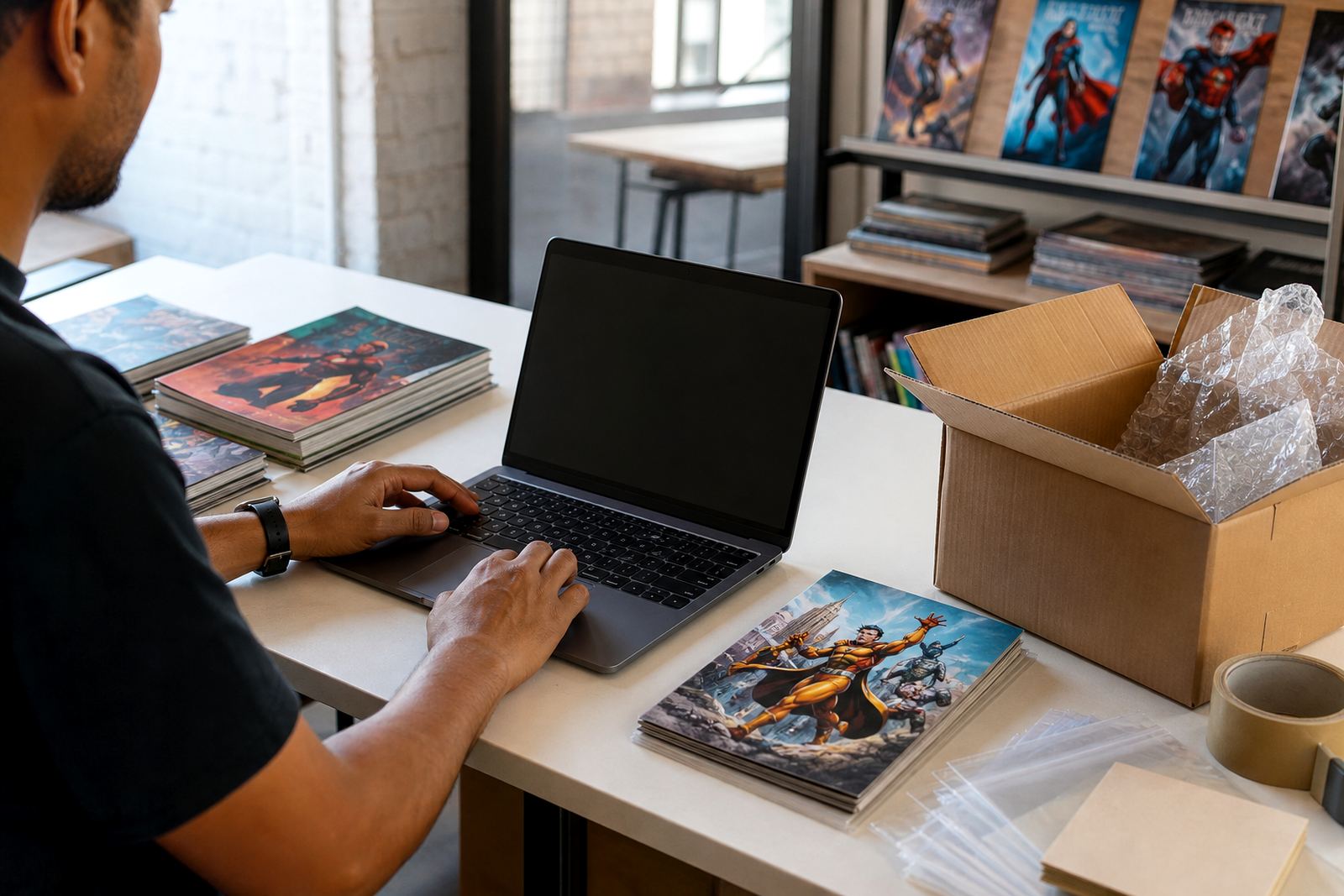
When you are comparing options, think about the full cost of the issue, including safe shipping prep and the condition risk during transit. A well packed comic with a backing board, sleeve protection and a rigid mailer is worth more than a loose book sent in a thin envelope. If you collect with friends or family, use collection organisation to separate read copies from keeper copies. That way you do not accidentally trade away a book you meant to keep.
Choosing single issues is really about balance. You want the right story, the right condition, and the right plan for what happens next. If those three things line up, the comic earns its place in your collection and not just on the day you buy it, but for years after. That is the part that makes collecting feel worth while.
Name the title, issue or character you are hunting for, and our comic shop crew will help you track it down.
Contact form