
Why some collections look right at a glance
Two collectors can own very different books and still end up with a display that feels balanced. The difference is often visual taste. Some people want bold cover colour, others prefer clean linework, heavy shadows, or pages with a lot of open white space. When you start collecting for art, you begin noticing how a cover works from a metre away, not just how rare it may be.
That approach suits local superhero comics very well. South African creators often work with strong costume shapes, city settings, township streets, high-contrast night scenes and hand-drawn detail that reads clearly in a frame or in a box. A collection built around those choices can feel personal without needing to chase every issue from every title.
A collection has more character when the eye leads the way.
Choosing a visual theme before you buy
A clear theme helps when you are browsing at a market, a comic shop or online from Cape Town to Pretoria. Instead of asking only whether a book is important, ask what it adds to the wall, shelf or archive box. Do you want chrome-like helmet designs, street-level action scenes, bright costume colours, or quieter covers with more illustration than text?
- Pick one visual rule, such as red-and-black covers or mostly night scenes.
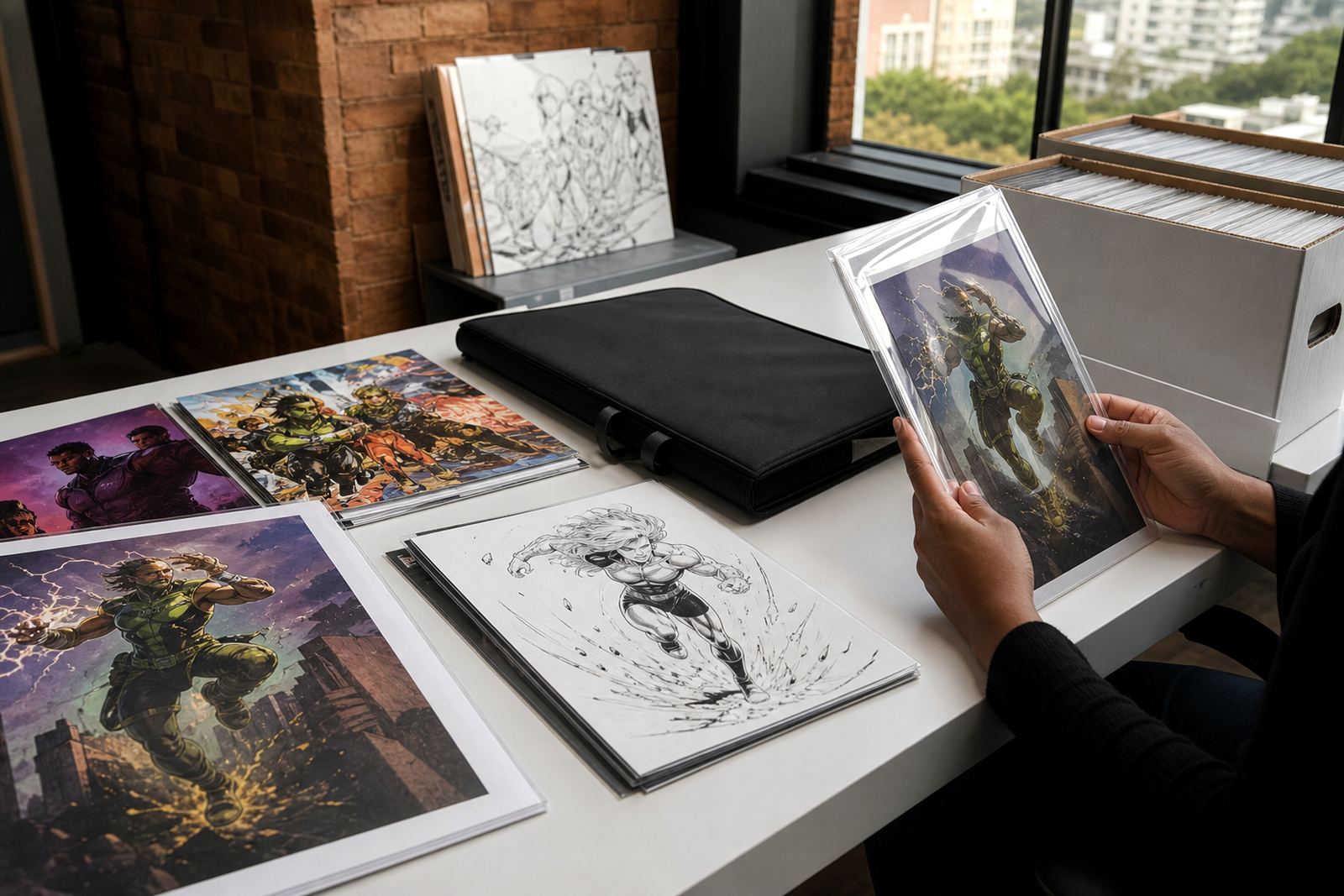
- Decide whether you prefer painted covers, pencilled art, or clean digital linework.
- Keep a simple note of what already exists in your collection so you don’t repeat the same look.
- Leave room for one or two surprise pieces that break the pattern in a good way.
That last point matters. A collection that is too uniform can start to feel flat, while one or two unusual covers can add interest and movement.
Reading the art before the grade
Collectors often talk about condition first, but visual appeal comes before numbers for many people. A comic can be technically tidy and still not match your taste. Another copy may have light wear, yet the composition is stronger and the artwork feels more complete. If you collect for art, ask yourself whether the book still speaks clearly from a display distance.
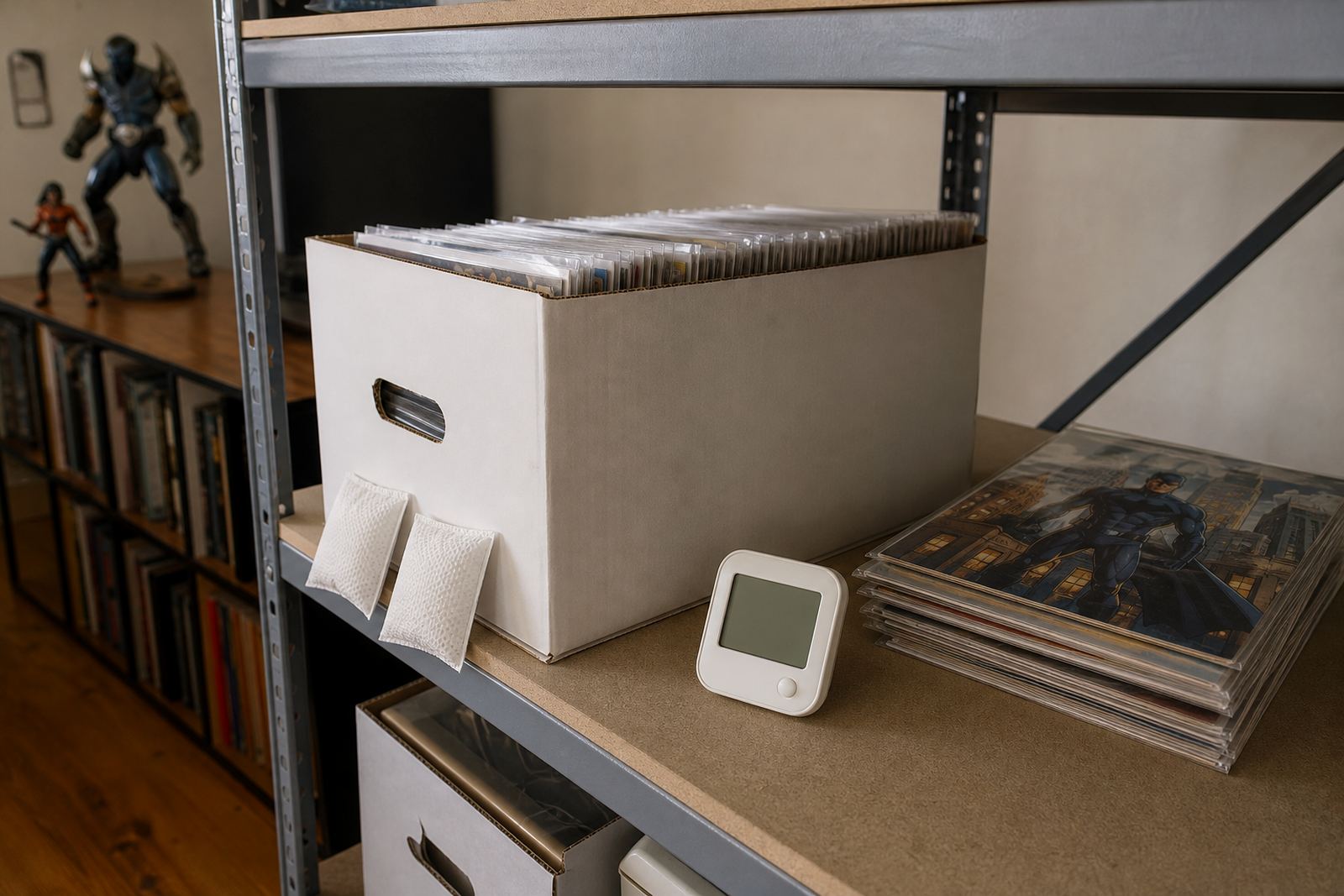
Grading still matters of course, especially if you are storing pieces for the long term or planning to resell later. Pre-submission checks, careful cleaning advice and proper storage planning can help protect the value of a book while keeping the art intact. The idea is not to chase perfection for its own sake. It is to choose pieces that look good now and age well in South African conditions, especially where humidity can creep in near the coast.
For collectors in Observatory or around the Southern Suburbs, that can mean paying attention to sunlight, dust and temperature changes in older buildings. A cardboard box by the window is never a good plan, no matter how nice the cover looks.
Building a shelf that shows style, not just stock
A good-looking shelf usually has rhythm. Put larger-format prints beside standard comics, or break up a row of dark covers with one brighter piece. If everything is the same height and tone, the eye gets tired. If every item shouts, nothing leads the display. The trick is balance.
- Group books by colour family, then by subject matter.
- Use storage sleeves and backing boards to keep corners straight.
- Keep signed or graded items apart from everyday reading copies.
- Rotate a few display pieces now and then so the shelf stays fresh.
Display planning also helps if you share the space with family or keep your collection in a small flat. A neat arrangement can turn a narrow passage shelf or lounge cabinet into something that feels deliberate, not crowded.
From the shop counter: Cape Town collectors
A collector in Observatory might start with a strong interest in street-level heroes and urban settings. Instead of buying every release, they could focus on covers that show rooftops, taxis, harbour lights, district streets or action framed by local architecture. The result is a collection that feels rooted in Cape Town without needing to force the theme.
That same collector may later add a few pieces from Johannesburg, Durban, Pretoria and Gqeberha deliveries to widen the visual range. A print with a gritty city backdrop next to a brighter coastal action scene can make both works look stronger. The collection then becomes a record of taste, place and mood, not just a pile of issues in storage.
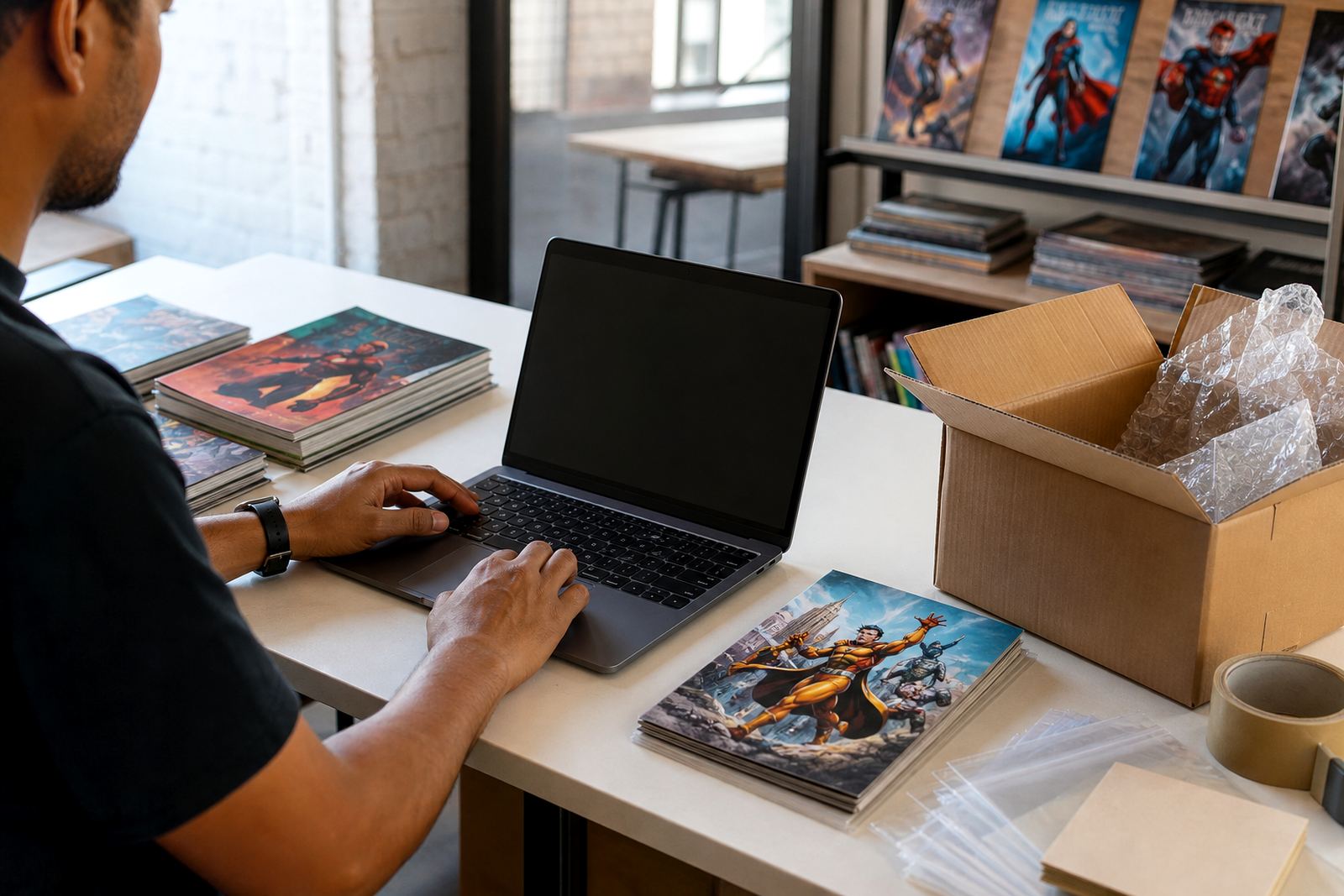
For events, gift selection or wishlist sourcing, a collector with a clear art focus can brief a team more easily too. It is simpler to ask for bold linework, moody colour palettes, or clean hero poses than to explain a vague wish for “something nice”.
Protecting art value while you enjoy the books
Collecting for art does not mean treating comics like museum pieces. It means handling them with enough care that they keep their visual strength. Safe shipping prep, sensible sleeves, proper boxes and dry storage all matter, especially when parcels move between provinces or sit in a courier depot for a day or two.
Think about how you actually use the collection. If you read regularly, keep a separate reading stack. If you want a long-term display, consider archival storage for the rest. If you buy collectables as well as comics, make space for both types of item so nothing gets squashed or bent. A little planning saves money later and keeps the collection looking sharp.
- Store comics upright, not jammed too tightly together.
- Use clean, dry containers in rooms away from leaks and damp corners.
- Keep printed art away from direct sun to reduce fading.
Good collecting is not only about what you buy. It is also about how well the pieces survive the years between purchases.
Name the title, issue or character you are hunting for, and our comic shop crew will help you track it down.
Contact form