
Why the room you store comics in matters
Comics are made from paper, glue and inks, so the room around them matters as much as the bag they sit in. In a coastal place like Observatory or Bellville, the air can carry moisture that creeps into cardboard backing and soft covers, especially in winter when windows stay shut. Inland homes in Johannesburg or Pretoria often have drier air, but strong afternoon heat and sudden temperature changes can still make pages curl or covers warps over time.
The main issue is not just rain or obvious damp. It is the slow shift between warm days and cooler nights, the kind that happens in most South African homes. If comics are kept near a kitchen, bathroom, outside wall or a room with poor airflow, they can pick up smell, foxing, ripple marks and tape damage before you even notice.
A dry comic is a safer comic, even in a coastal home.
What humidity does to paper and covers
When humidity rises, paper absorbs that moisture and becomes softer. That can make pages stick together, inks transfer, and staples show rust sooner than expected. If a comic is already older, the spine can loosen and small corner knocks become bigger tears. In coastal areas, the problem is often slow and steady, so a collector only sees the result after a few months.
Too little moisture is not ideal either. Very dry rooms can make paper brittle, which means page edges chip easier when you flick through a comic during sorting. The goal is a stable, moderate environment rather than a room that feels cold and sealed all year round.
- Keep comics away from direct sunlight and window ledges.
- Do not store them on a wall that sweats in winter.
- Avoid cupboards above geysers, washing machines or ovens.
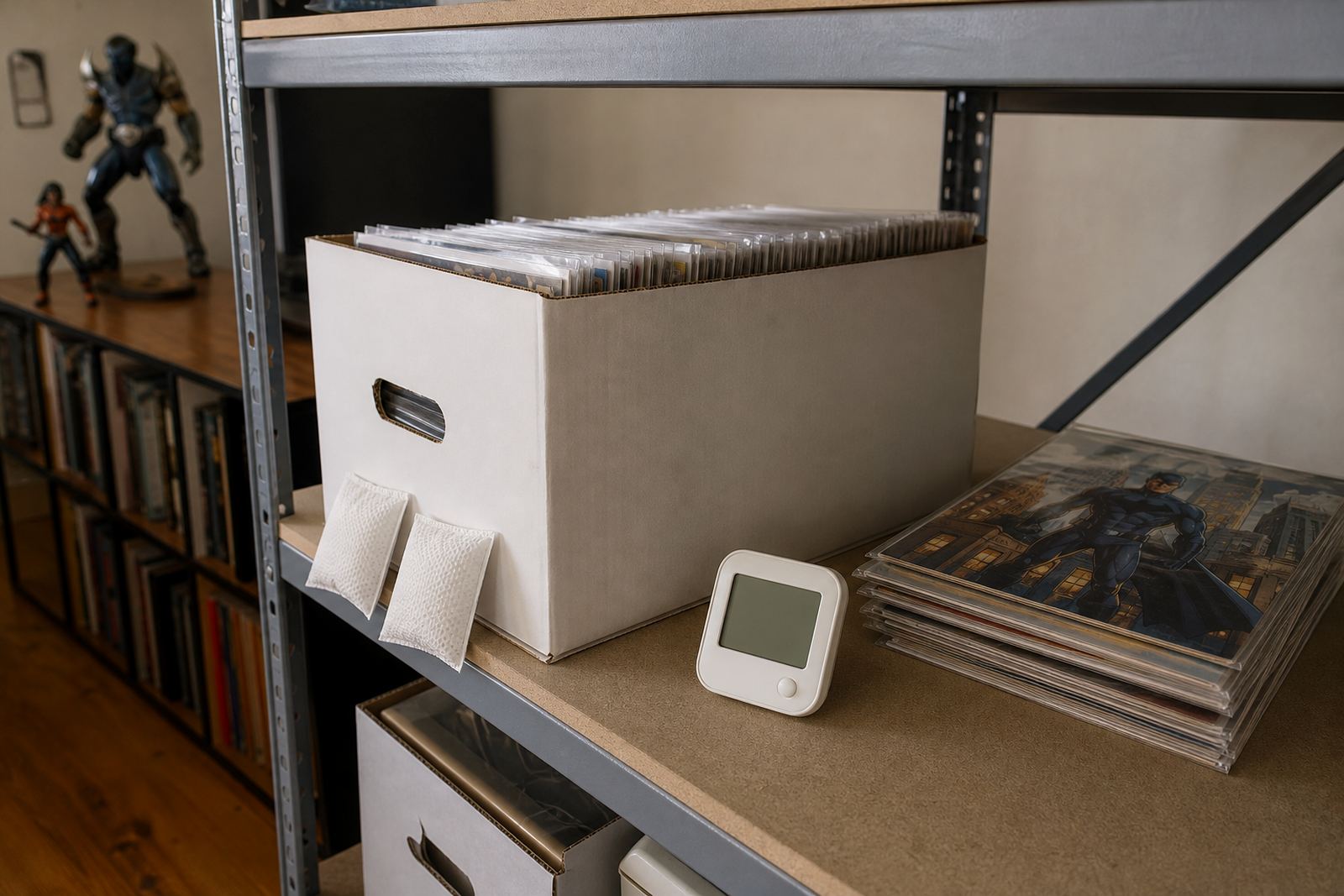
- Let air move gently around storage boxes, not inside them.
Simple home storage habits that help
You do not need a special room to keep a collection in decent shape. A clean cupboard, shelf or lidded box can work well if it is kept off the floor and away from damp walls. In Cape Town, a collector in a flat near the harbour may need to check storage more often than someone in a drier inland suburb. The trick is to make storage boring and consistent, not clever.
Use acid-free bags and boards where possible, and keep comics standing upright in boxes so they are supported evenly. Do not cram them too tight. A box packed like a cement bag on moving day can press corners flat and damage spines, especially if it sits that way for months. If a room gets hot in summer, do not leave boxes in a parked car or garage for long periods, even if it is only for a quick move.
- Store by size and weight so heavy books do not crush slimmer issues.
- Use clean hands or cotton gloves for older copies if the paper is fragile.
- Replace worn sleeves that have clouding, splits or sticky seams.
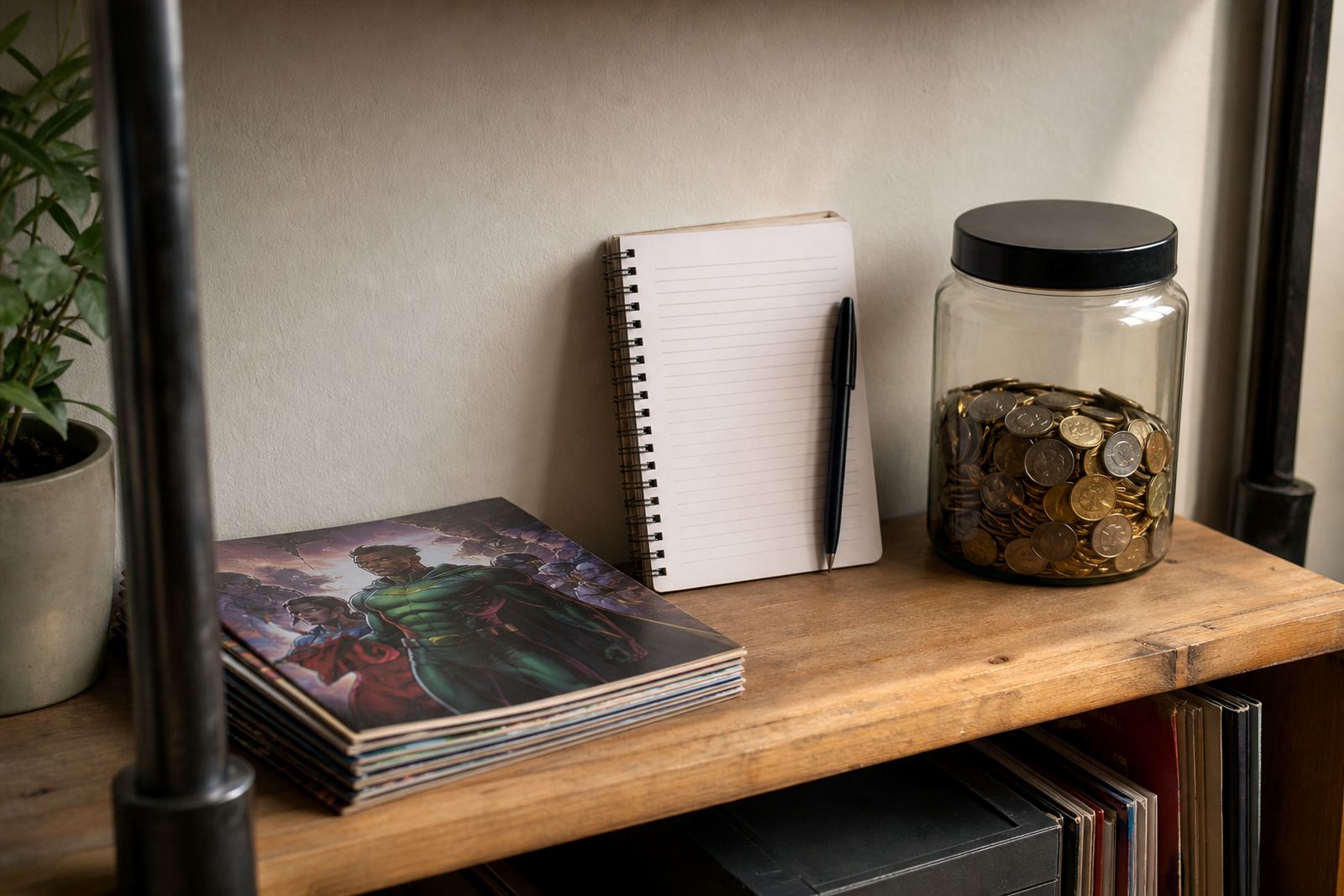
- Keep a small note of what is stored where so you can check it later.
Cleaning and handling without making things worse
Collectors often try to clean a comic too quickly after spotting dust or a little surface mark. That can do more harm than good. Dry dusting with a soft brush is safer than using water, sprays or household cleaners, which can stain paper and lift print. If a comic has mould, a musty smell or a damp stain, separate it from the rest of the stack at once so the problem does not spread.
When opening and reading older issues, support the spine and avoid forcing the cover open flat. A few careful minutes can save the book from split staples and cracked folds. If a comic has been exposed to sea air in a Durban or Gqeberha home, be extra careful with metal fasteners and older boards, since corrosion can start quicker than expected.
How grading concerns change in coastal homes
Grading is not only about cover gloss and sharp corners. Condition can shift because of storage, and that is where humidity matters most. A book that looks neat on a shelf can still pick up waviness, staining or edge wear if the air stays moist. For collectors thinking about future grading, the best step is to protect the comic before the damage becomes visible.
If you are preparing a submission, check the comic for spine ticks, colour breaks, rust, rippling and any sign of musty smell. Clean handling and proper storage make the pre submission stage much easier. A small issue today can become a lower grade tomorrow, which is why storage planning should happen early, not only when a prized book needs attention.
A comic parcel sent to the Cape
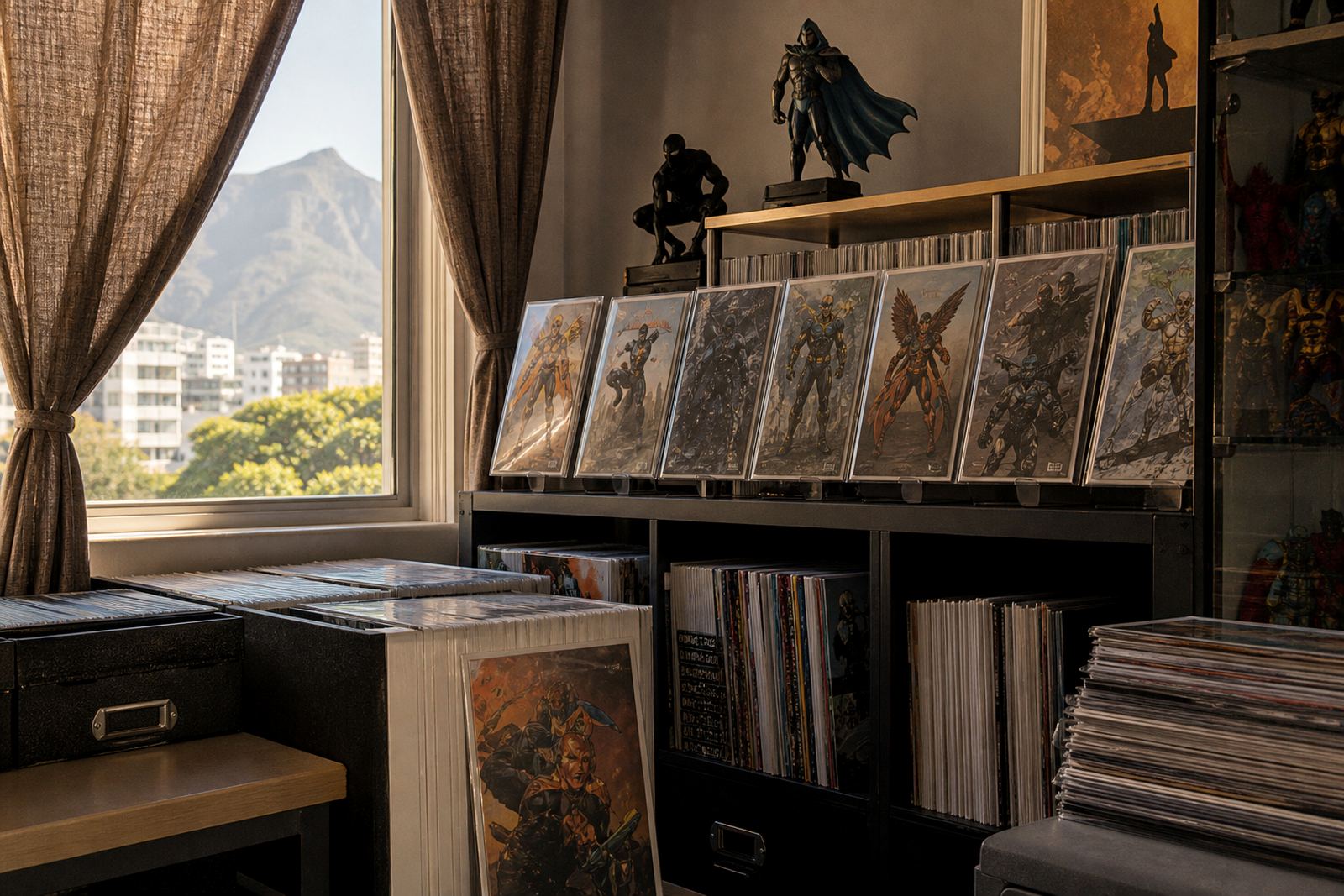
Picture a collector in Observatory with a growing set of local superhero comics, a few older trade editions and several collectables kept in a spare room. In summer the room stays warm, but in winter the windows are shut for days because of rain and sea air. After a while, the collector notices slight ripples on a few covers and a faint smell in one box. Nothing looks dramatic, yet the change has already started.
In both homes, the answer is the same: stable storage, regular checks and sensible separation between comics, display pieces and loose paper items. The environment may differ, but the care plan should be just as practical.
When to ask for help with a collection
Some collections need more than a quick tidy. If you are sorting mixed-condition comics, planning storage for a move, or deciding which issues are safe to read often, a second set of eyes helps. The same applies if you are building a display and want to keep the rest of the stock protected behind the scenes. Advice on storage planning, display planning and safe shipping prep can save a lot of frustration later.
For South African collectors, the best approach is usually simple: keep paper dry, keep air moving and keep the stack organised. Whether the collection sits in Cape Town, Johannesburg, Durban or Gqeberha, the goal is the same, protect the comic before humidity, dust and handling take their toll. That way your books stay cleaner, flatter and easier to enjoy for longer.
Name the title, issue or character you are hunting for, and our comic shop crew will help you track it down.
Contact form