
Start with one clear sorting rule
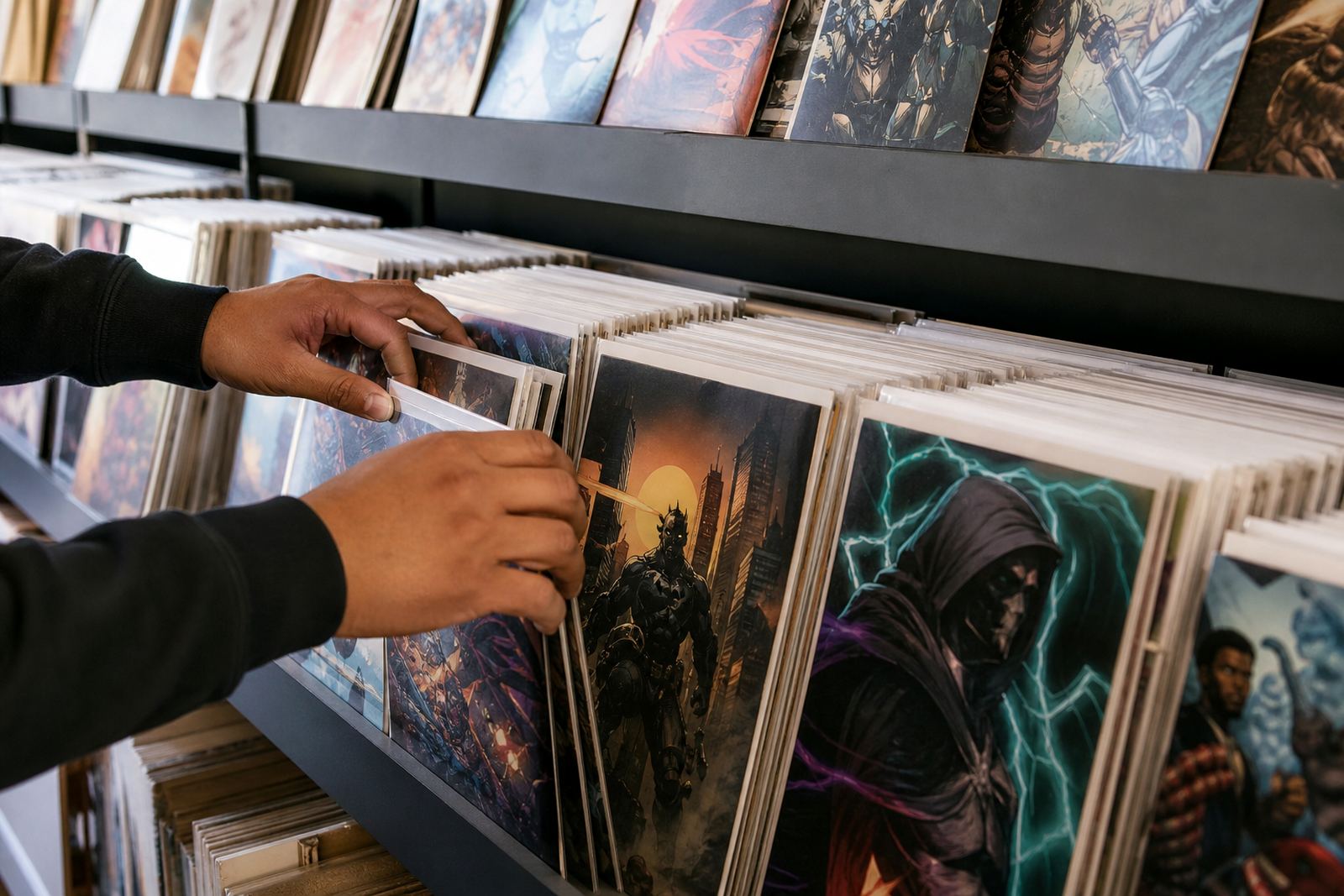
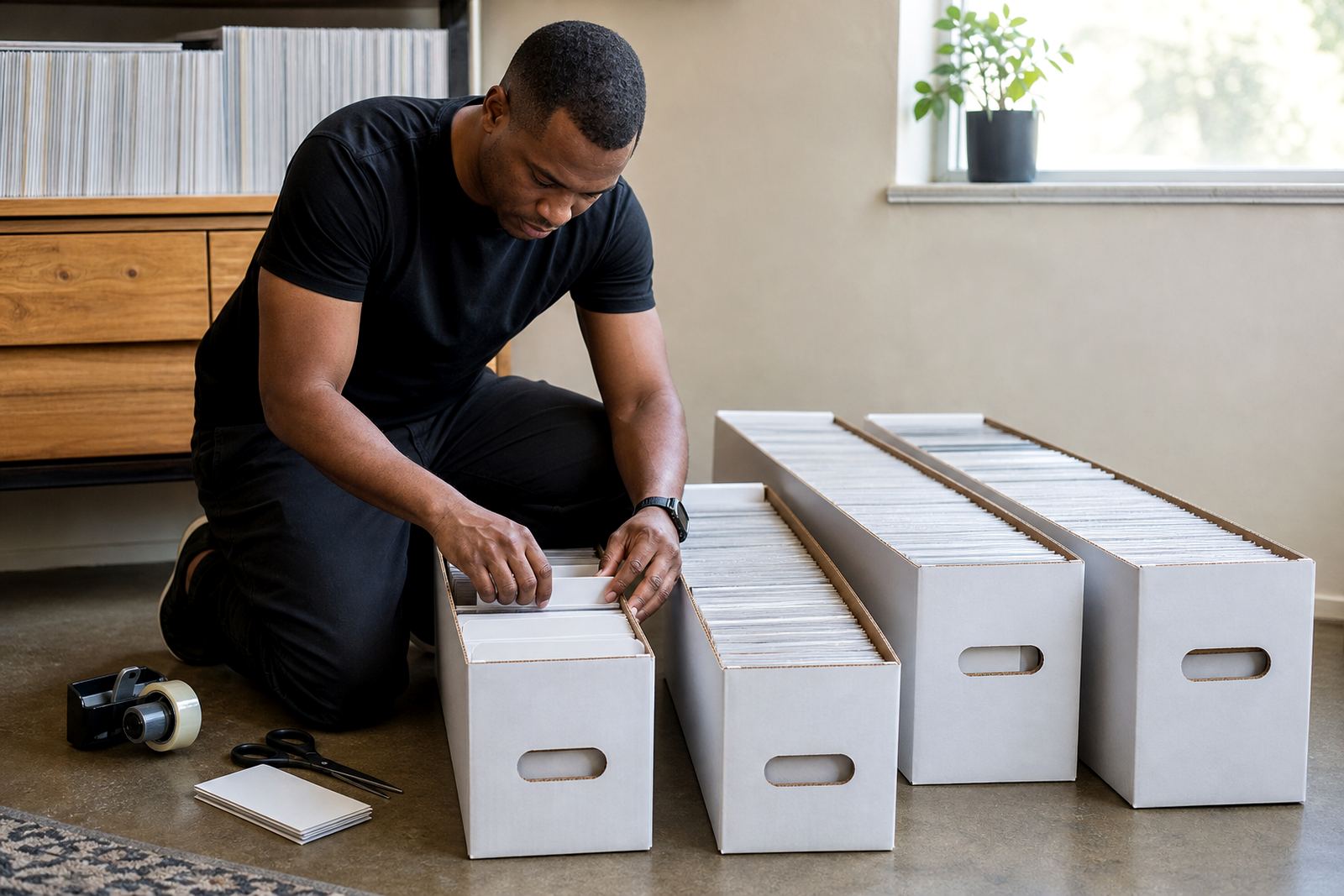
The easiest way to organise comic boxes is to choose one main rule and stick to it. Some collectors sort by hero, some by publisher style, and others by reading order or condition. There is no single right answer, but mixing too many systems in one box usually turns into a mess after a few months.
If you collect local superhero comics, think about how you actually browse. Do you want to pull a box and find every issue with a certain team, or do you prefer to keep newer purchases separate until they are checked and sleeved? In Observatory, where many homes deal with compact storage space, a simple system often works better than an overcomplicated one. Keep the method practical, not perfect.
- Choose one primary order for each box
- Use a second label for condition or grading status
- Keep unread books apart from read stock if you revisit them often
- Leave a little free space so books are not pressed too tightly
A tidy box system makes every comic easier to find, protect and enjoy.
Use labels that tell you what is inside
Clear labels save time every time you reach for a box. A short, readable label on the front and side is enough. Add the sorting rule, the date packed, and any note that matters to you, such as signed copies, graded books, or items that need extra care. You do not need fancy materials, just something that stays legible in dry and humid weather.
For collectors in Cape Town, Durban or Gqeberha, labels matter even more when boxes move between rooms, cupboards and storage shelves. Coastal humidity can make paper tabs curl, so it helps to use sturdy sleeves or plastic label holders. If a box is going out for courier delivery, make sure the label inside the box matches the outside note. That small habit cuts down on confusion, and it saves time on the receiving end too.
- Box number or shelf position
- Sorting method, such as character, title or year
- Condition notes, including graded or ungraded
- Any handling warning, like fragile, signed or raw copy
Sort by condition before the box gets crowded
Condition sorting is one of the most useful habits for comic collectors. If you place high-grade books, reading copies and books needing cleaning into the same pile, the box becomes harder to manage and more risky to handle. A cleaner structure also helps when you ask for grading guidance or pre-submission checks, because you already know which books need the most attention.
Use separate sections inside a box, or separate boxes if your collection has grown. Keep cover-presentable books flat and supported, not bent around loose items. If a book has a minor spine tick or a slightly wavering corner, note it and place it where it will not be squeezed by heavier stock. The idea is simple: protect the best copies first, then organise the rest by use.
- Top tier books in their own protected section
- Reading copies grouped together
- Books needing cleaning or minor care kept apart
- Any book marked for grading stored upright and secure
Think about South African storage conditions
Box organisation is not only about order, it is also about survival in local conditions. Heat, damp air and dust can affect paper and cover stock over time. In places close to the coast, moisture can creep into cardboard if boxes are left on a floor against a wall. In inland areas, dust and sudden temperature changes can still cause problems. A little planning makes long-box storage far easier to manage in South African conditions.
Store boxes off the ground, away from direct sun and away from bathrooms, kitchens or washing areas. If you have a room that gets hot in the afternoon, rotate the box position now and again so the same side is not taking the full heat. It sounds obvious but many collections are damaged by daily life, not dramatic accidents.
Good storage habits are not expensive. They just need consistency and a little patience.
Keep a simple checklist for every box
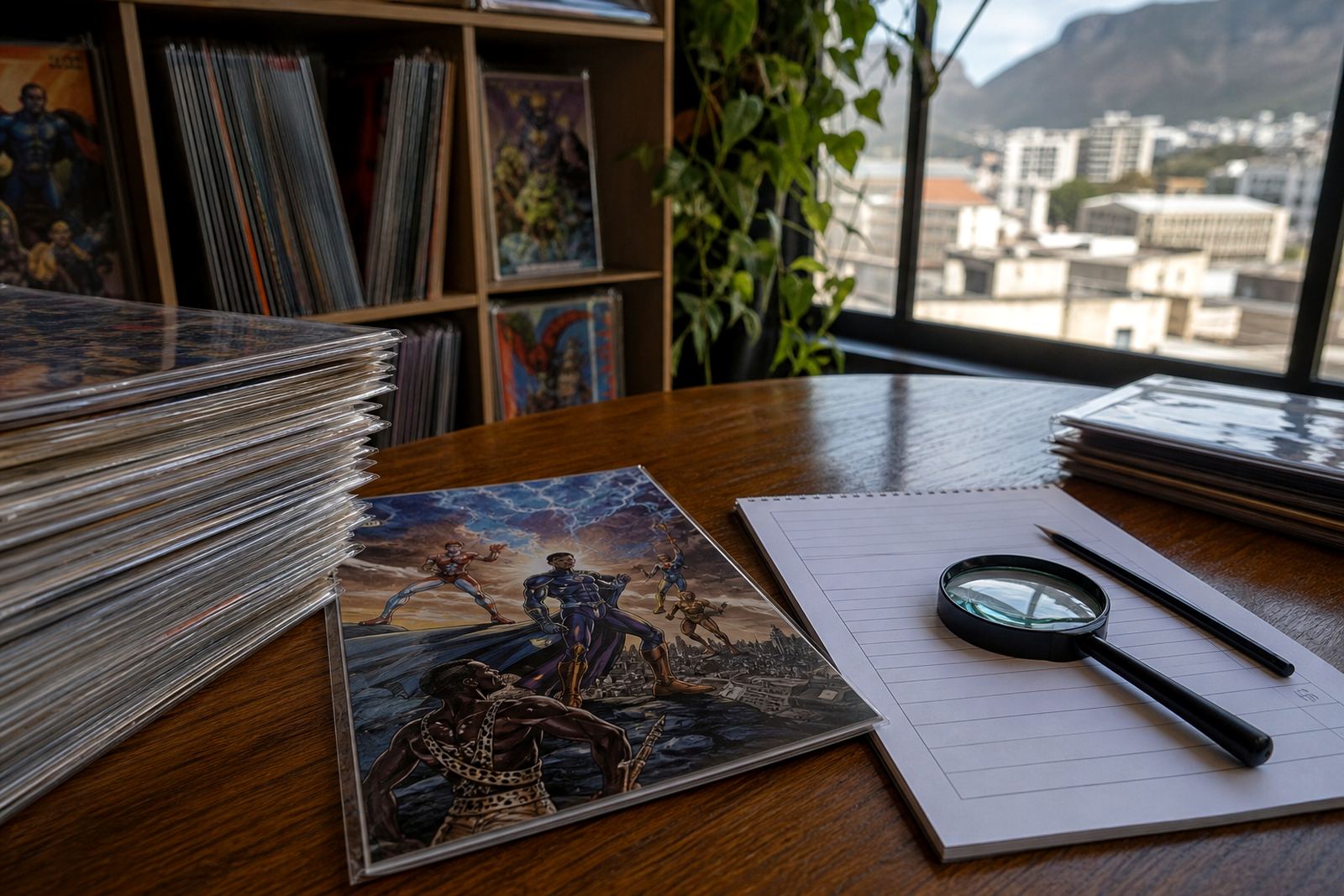
A checklist turns a random pile into a collection you can actually manage. It helps when you are buying new books, planning storage, or preparing parcels for courier delivery across South Africa. You do not need complicated software. A notebook, spreadsheet or printed page is enough if you keep it updated.
Many collectors in Johannesburg, Pretoria and Bellville use a box list for quick reference, especially when they are building a wishlist or checking whether a duplicate has already been bought. If you collect original local superhero comics, this becomes even more useful because you may want to track story arcs, character focus or special editions without losing sight of what is already on the shelf.
- Box number and location
- Main contents or sorting theme
- Condition range inside the box
- Books set aside for grading, gifting or sale
- Items needing sleeves, boards or fresh storage
Plan for safe handling and future growth
A well organised comic box should still be easy to grow. Leave room for future additions, because collections rarely stay the same size for long. When a box is packed too tightly, corners start to curl and books become difficult to remove without rubbing the edges. A little empty space is better than forcing every item into place. It also makes it easier if you decide to reorganise later.
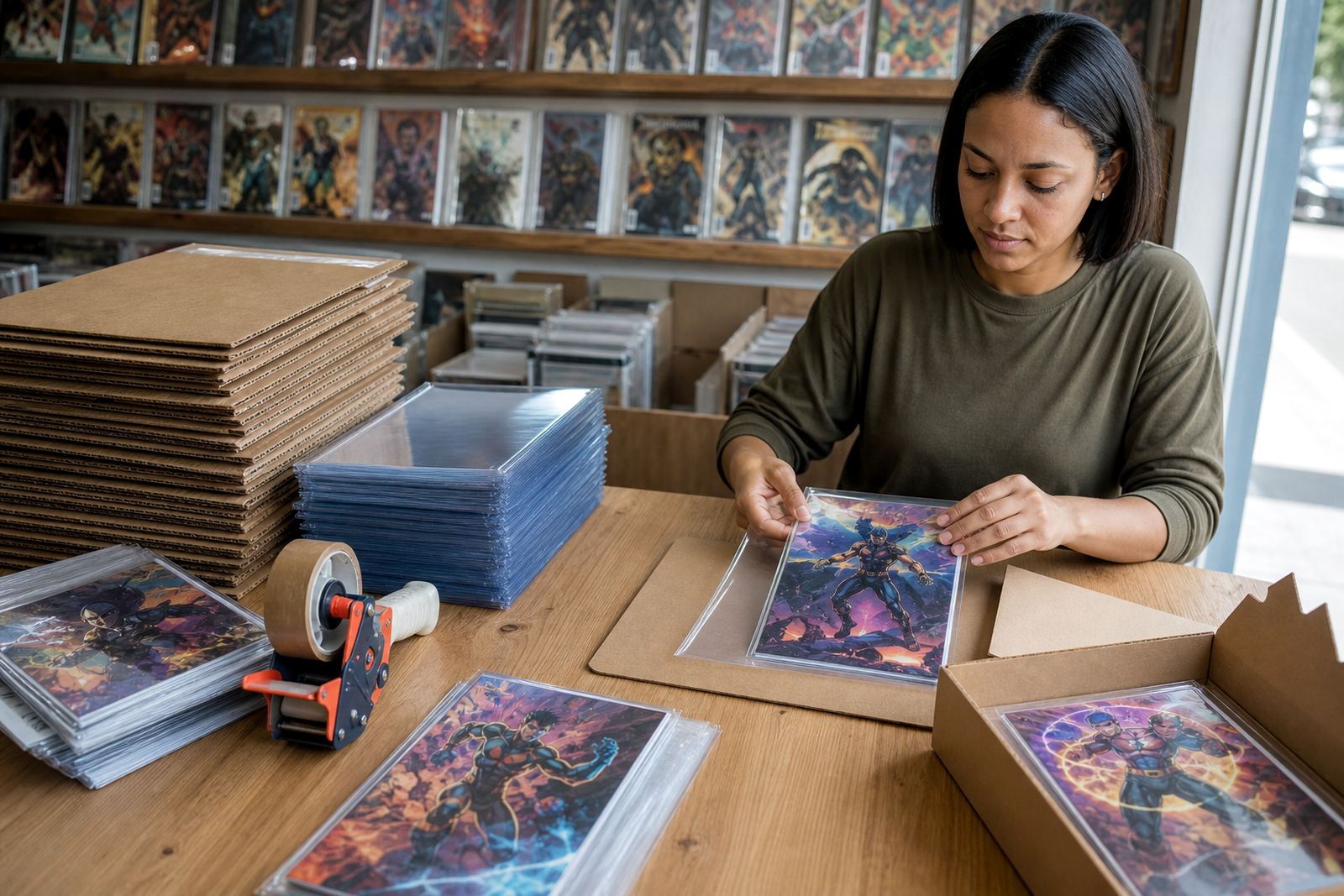
If you are moving boxes for an event package, collector consultation or safe shipping prep, keep the heaviest books at the bottom and the most delicate copies supported upright. Use clean, dry inner materials and avoid overfilling parcels. For a local example, a collector in Stellenbosch might keep newer issues in one box at home, then move only selected graded books and display items for a weekend visit in Cape Town. That way the whole collection stays easier to manage, and the special pieces stay safe.
For most collectors, the best system is the one that makes opening a box feel simple, not stressful. Once that happens, you will read more, find more, and enjoy the collection more often.
Name the title, issue or character you are hunting for, and our comic shop crew will help you track it down.
Contact form