
Start with stories you can return to
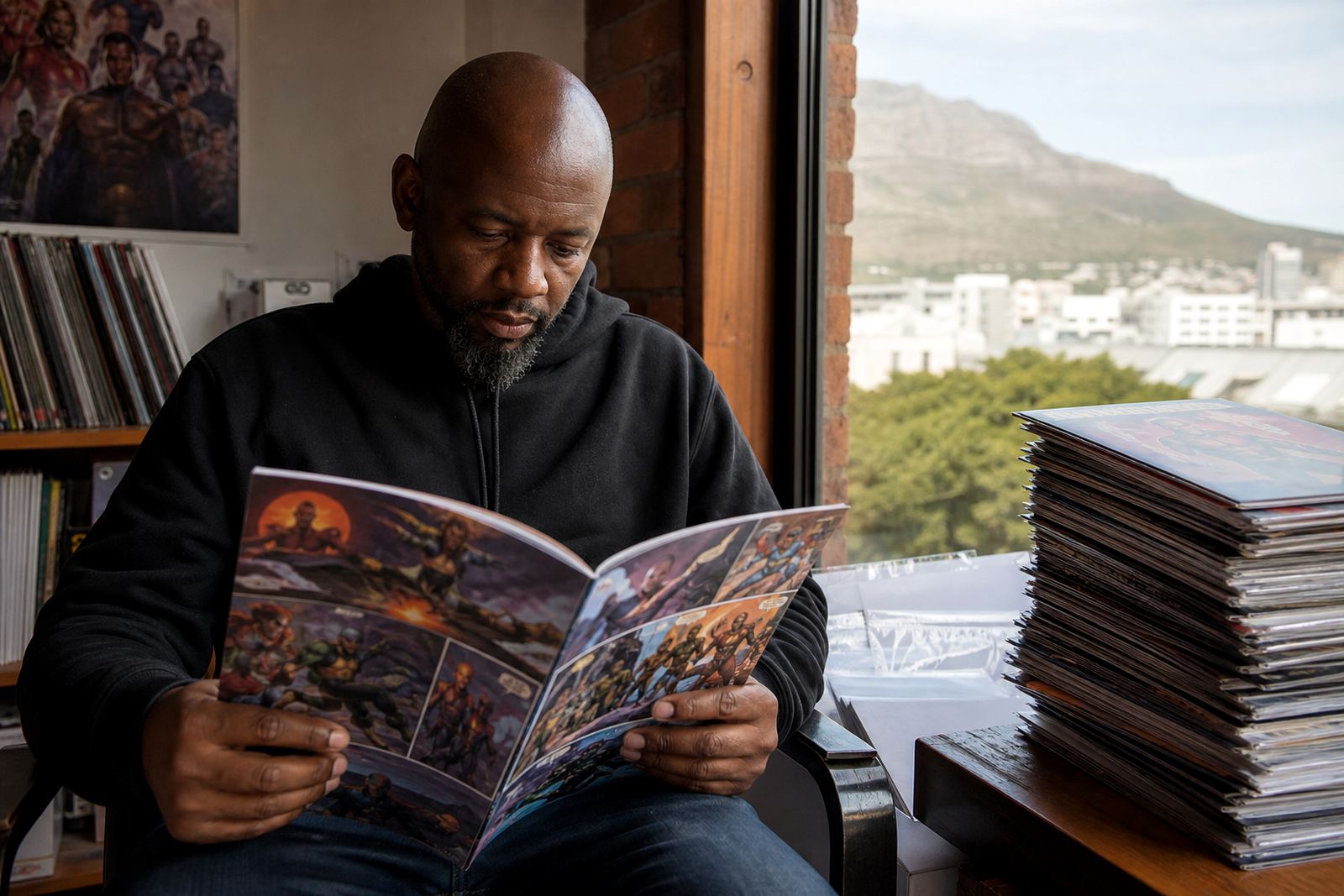
Collecting for story means buying with purpose. Instead of chasing every release, start with the heroes, settings and themes that keep pulling you back. You may prefer street level action, family drama, township settings, science based adventures or community protectors who feel close to home. That focus makes the collection more personal and far easier to enjoy.
Most collectors begin with the hero they grew up with. Those details give the story a grounded feel that pulls you into the world.
A shelf means more when every comic on it has a reason to stay.
Choose issues that fit your reading habits
Some collectors want every appearance. Others are happier with key arcs, origin stories or first team-ups. There is no wrong method, but it helps to decide early. If you travel often, lighter reading sets and protective sleeves make more sense.
- Pick a lane: solo hero stories, team books, origin issues, or crossover runs.
- Set a monthly limit so the collection grows at a pace you can maintain.
- Leave space for reading copies, not only sealed items.
- Keep a simple wish list so you do not rebuy the same issue by mistake.
When the focus is story first, you end up with a shelf that reflects your taste rather than a pile of impulse buys.
Know when grading matters and when it does not
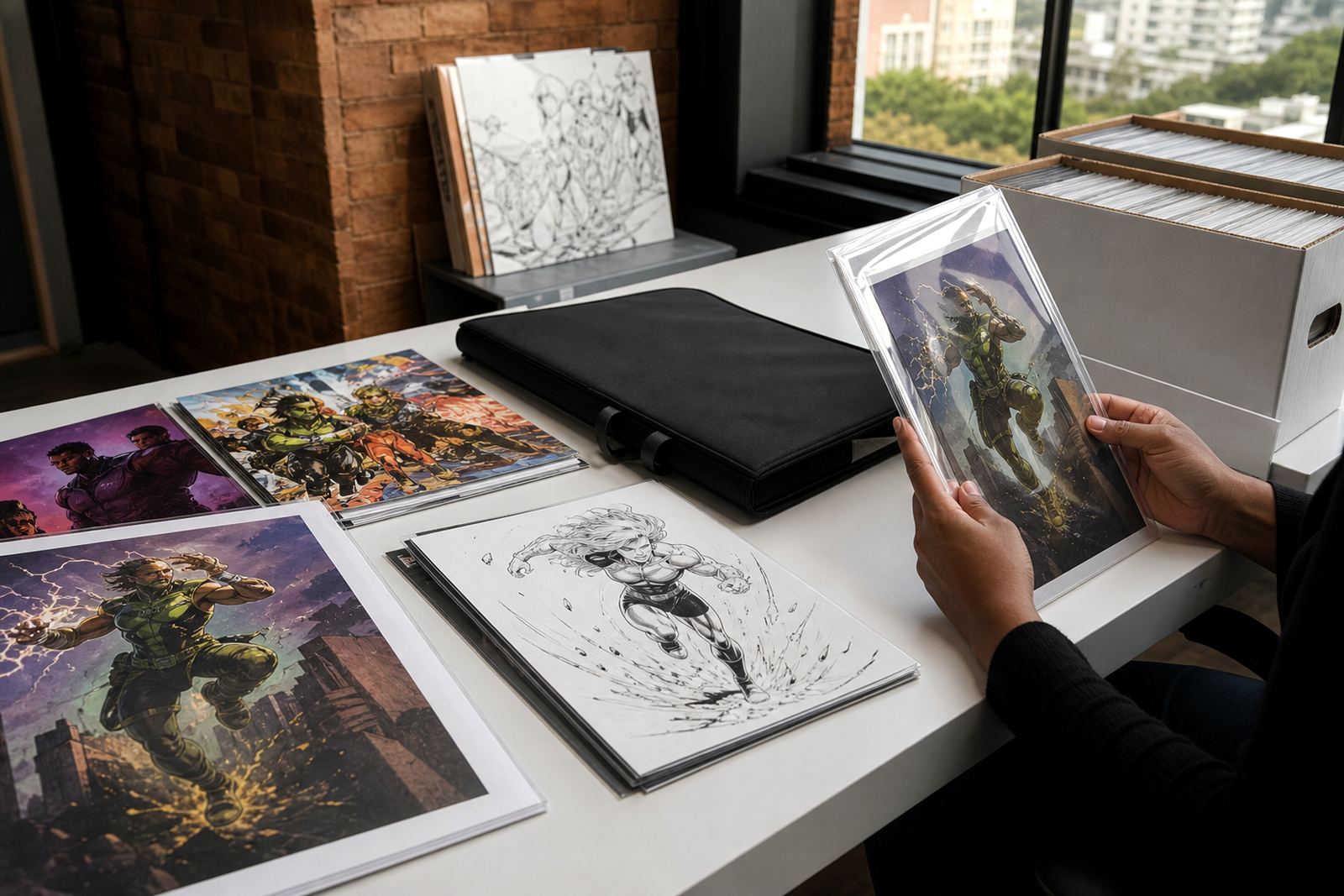
Grading can be useful, but it is not the reason to collect every comic. If a book is meant to be read, handled and enjoyed, a clean raw copy may be the better choice. If it is a special issue, a first appearance, or a book you plan to keep long term, grading guidance can help you decide whether it is worth submitting.
We often advise collectors to separate books into three groups: reading copies, long-term keeps, and possible submission books. That simple step stops valuable issues from getting mixed in with everyday reading stock. It also makes cleaning advice and pre-submission checks much easier to manage before anything goes off for grading.
- Check corners, spine ticks and surface wear under bright light.
- Keep fingerprints off glossy covers by using clean hands or cotton gloves.
- Do not press or clean anything unless you know the paper type and risk.
- If a book has moisture damage, keep it apart from the rest immediately.
Store comics for Cape weather and coastal humidity
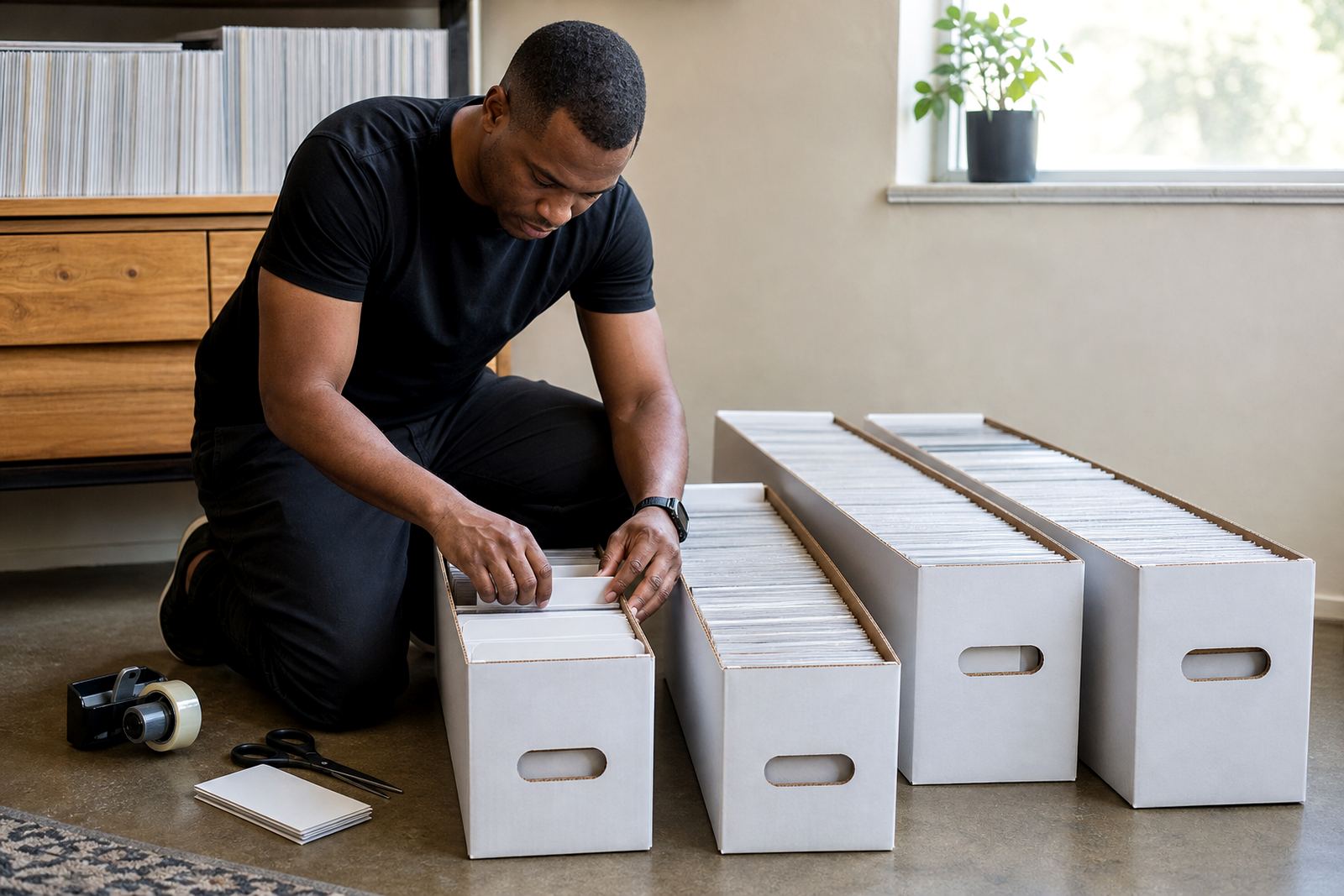
In Cape Town, humidity and sea air can affect paper faster than people expect, especially in homes near the coast. Storage planning matters if you want your collection to stay readable and presentable. Use bags and boards, keep books upright in boxes or short shelving, and avoid storing anything directly on the floor where damp can creep in during winter.
Airflow is helpful, but too much sun is a problem. Keep comics away from windows, geysers, kitchens and rooms that heat up during the day. For collectors in Observatory, Bellville or Stellenbosch, a spare cupboard in a dry room is often better than a garage. If you are in Durban or Gqeberha, the same advice matters even more because moisture can creep in quietly.
- Use acid-free bags and boards for key issues.
- Store books flat only when the stack is short and well supported.
- Separate comics from food, cleaning products and clothing detergents.
- Check stored books every few months for warping, foxing or musty smells.
Build a shelf that tells your own South African story
A good collection does not need to be large. It needs to make sense. You might build around a hero who protects a township, a team that deals with climate pressure, or a character whose powers come from local history, science or community life. The point is not volume. The point is connection.
Local storytelling gives collectors room to support homegrown creativity while still keeping the hobby practical. A shelf of original South African heroes can sit beside reading copies, sketch books, display pieces and a few collectables without becoming messy. The best collections feel lived in, not staged.
Comics for children work best when the story comes first. A gift set for a birthday or school prize should be safe to read, easy to store, and matched to the child's age and interests.
Use services that support the collection, not just the purchase
Once the reading habit is in place, the support work becomes easier. Collection organisation helps you track what you have. Wishlist sourcing keeps the hunt focused. Gift selection helps when you are buying for someone else. Safe shipping prep matters if you are sending books to Johannesburg, Durban, Pretoria or Gqeberha. The right packaging prevents bent corners and split seams during courier delivery.
For collectors who want a cleaner system, a few practical steps go a long way:
- Group books by character, arc, format or reading priority.
- Mark which items are for reading, display or grading consideration.
- Keep a short note on condition so you know what needs attention.
- Ask for collector consultations when you are unsure what to keep, trade or submit.
That approach keeps the collection honest. It also makes it easier to add to the shelf without losing track of what made you want the books in the first place.
Let the next issue earn its place
Collecting for story is a long game. It rewards patience, reading and clear choices. You do not need to buy everything, and you do not need to treat every comic the same way. The best collections usually begin with one issue that stayed in your mind, then grow through careful picks that fit the same feeling.
If you are building a local superhero shelf, start with the stories that feel most meaningful, then store them well, handle them properly and let the collection grow at your pace. That way every book on the shelf has a reason to be there, and every re-read still feels worth the time.
Name the title, issue or character you are hunting for, and our comic shop crew will help you track it down.
Contact form