Why a wish list keeps a collection focused
A wish list is more than a note on your phone. It is a simple way to decide what belongs in your collection and what can wait. For collectors of local superhero comics, that matters because the market is varied, with new arrivals, back issues, variant covers, sketch pieces and display items all competing for space and budget.
When you write your wish list carefully, you start collecting with a clear plan. You can split your choices into reading copies, display copies and long term keeps, which helps with storage and grading decisions later. It also makes it easier to avoid buying the same issue twice, or chasing every attractive item that comes up online.
A thoughtful list does not make collecting less exciting. It simply gives your hobby structure so each purchase has a purpose. That means fewer regrets, less clutter and a better chance of building a collection that feels personal.
A wish list turns collecting from impulse into purpose.
Start with the characters, teams and themes you truly enjoy
Begin with the stories you keep coming back to. Some collectors want street level heroes from local neighbourhoods, some prefer cosmic battles, and others enjoy team stories where several original characters share the spotlight. If you are drawn to certain colours, costumes or powers, include those details too.
It helps to think about theme before volume. A focused wish list might include a hero with a strong sense of place, a series about family and community, or a set of comics that show different parts of South African life. That approach makes the collection feel coherent, instead of random.
- Favourite hero types, such as solo, team, mystery or action heavy
- Art styles you like, from bold line work to detailed cover art
- Story themes that matter to you, such as identity, duty or local settings
- Formats you want, including single issues, collected editions or special prints
Once you can describe what you like in plain language, it becomes easier to source the right pieces and avoid impulse buys that do not fit your collection.
Set buying priorities before the next comic hunt
Wish lists work best when they are ranked. Split them into what you want now, what you are happy to wait for, and what you are only tracking for later. This is especially useful if you collect on a monthly budget or if you are saving for graded copies, storage materials or display upgrades.
A simple priority order can stop small purchases from eating into bigger goals. For example, you may want one important issue for your reading run, one clean copy for display and one item that is harder to replace. If you shop across Cape Town, Johannesburg, Durban or online, this order keeps your decisions steady.
- Top priority: hard to find issues or key additions
- Medium priority: nice to have upgrades and display pieces
- Low priority: extra copies, variants or gift ideas
- Hold list: items you will revisit after your next budget refresh
A wish list with priorities also makes it easier to speak to a collector adviser or gift buyer. They can see what matters most, and they are less likely to choose something that does not fit.
Use condition notes to guide grading and storage choices
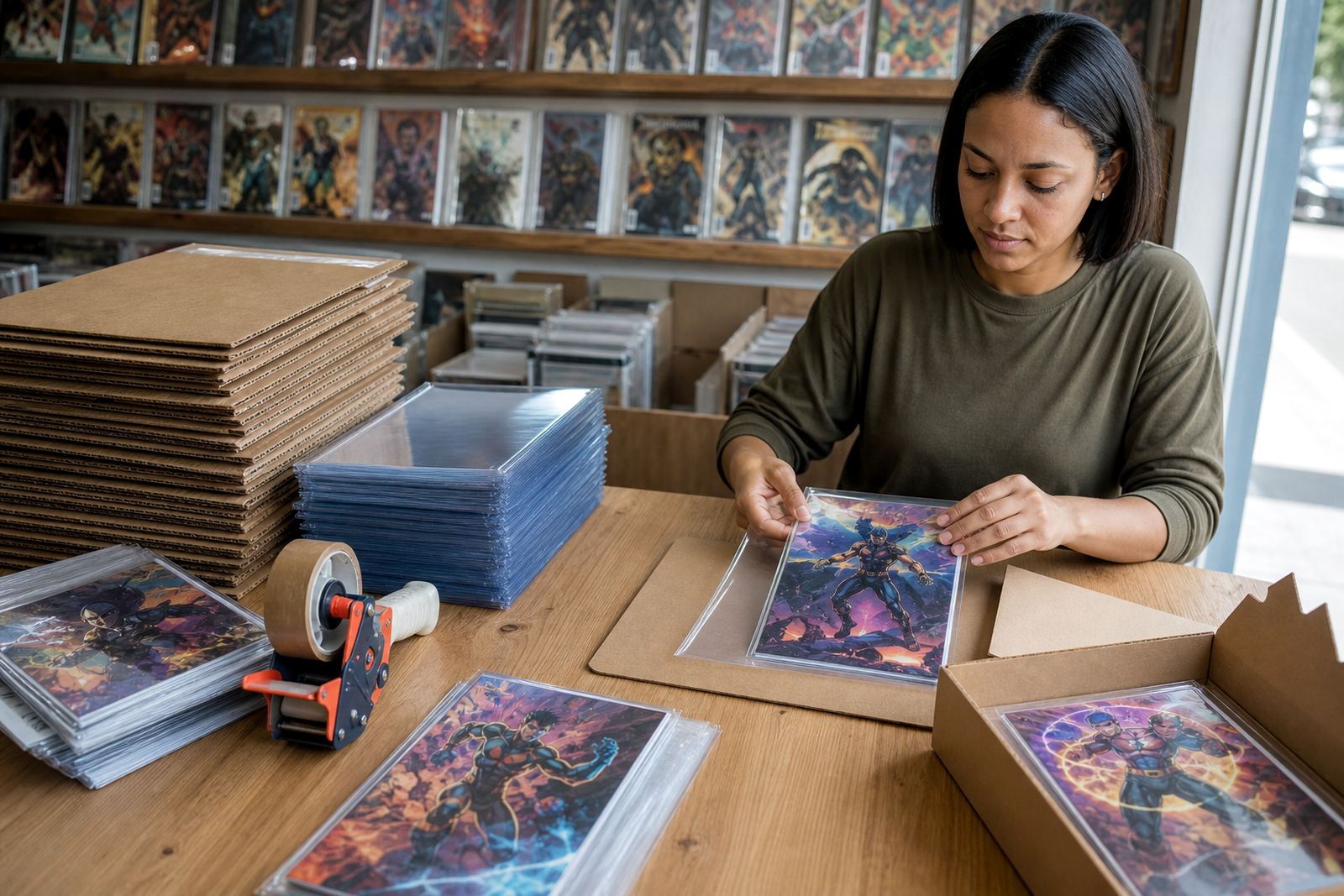
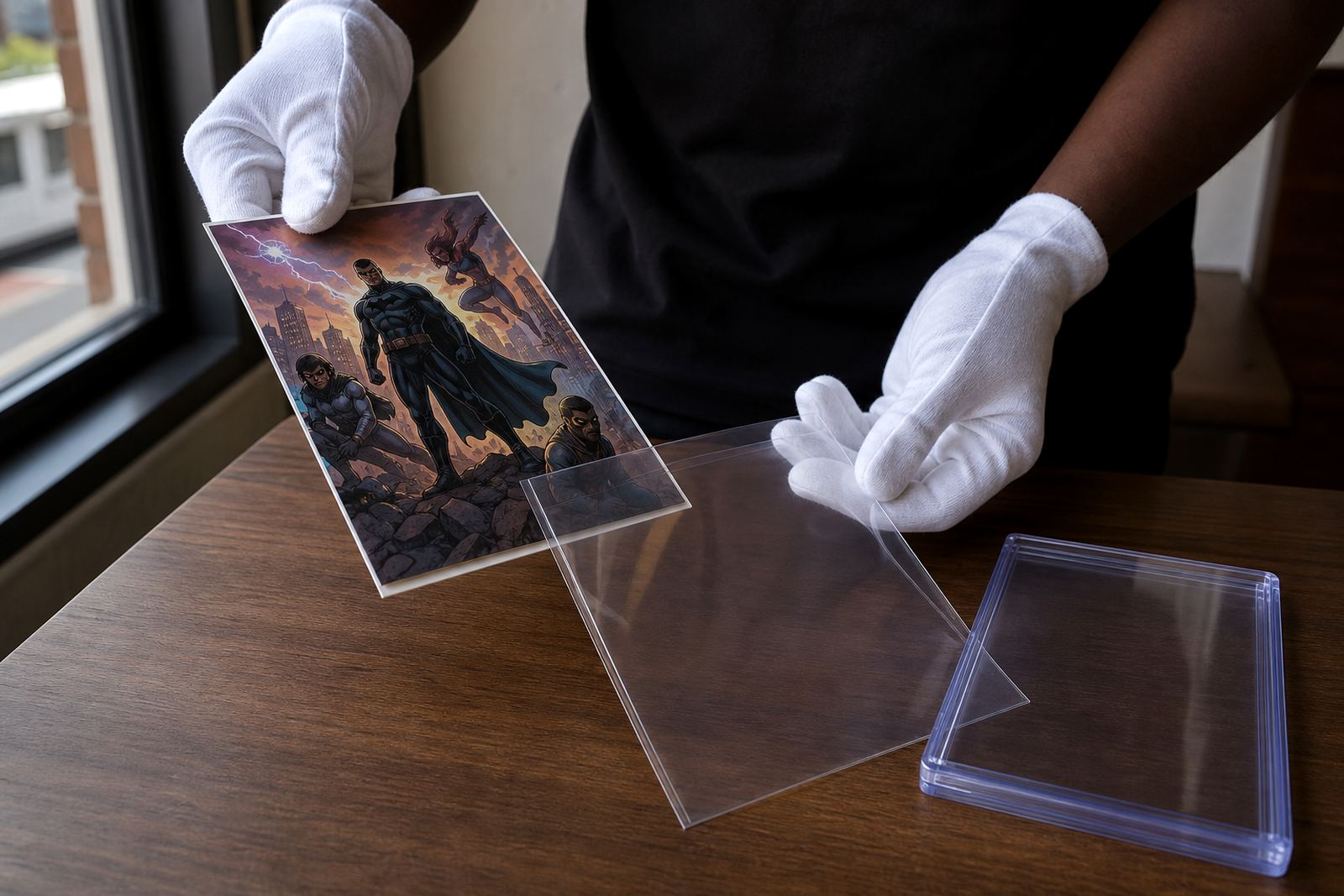
Not every item on your wish list needs the same treatment. A reading copy can live in a simple bag and board, while a display copy may need stronger protection from dust, sunlight and handling. If you plan to submit a comic for grading, note that on the list so you can keep it separate from everyday stock.
If a comic is important to you, write down whether you want a cleaner copy, a better spine, tighter corners or a higher grade candidate.
- Reading copy, for regular use
- Display copy, for shelves and frames
- Grading candidate, for pre-submission checks
- Archive copy, for long term storage in a cool dry place
That kind of note keeping saves time when you finally find the right item. It also helps you buy the right storage materials before the comic arrives, instead of trying to fix the problem afterwards.
From the shop counter: Delivery across SA
Imagine a collector in Observatory who wants to build a small set of original South African heroes for a study shelf at home. They want one main reading run, two cleaner display copies and a few special cover pieces, but they do not want to overcrowd the room. Their wish list might begin with the most important story arc, then add a short note on condition, storage and whether each item is for reading or display.
That same collector may ask for courier delivery to Cape Town, then later to Johannesburg or Pretoria when family members want gifts for birthdays. Because the list is specific, it is easier to pick suitable items and pack them safely for transit. It also helps when you need to explain a wishlist to someone helping with a surprise present.
For local collectors, this practical approach matters. It keeps the hobby grounded in real use, not just the excitement of finding something new. A wish list should work in a flat in Bellville, a family home in Durban, or a study in Gqeberha just as well as it does in Observatory.
Keep the list active, not static
A wish list should change as your collection changes. As you finish a reading run, upgrade a copy or make room on the shelf, remove old entries and add fresh goals. If you join an event, take part in a community swap or decide to focus on a new hero, update the list straight away so it stays useful.
Good wish lists are short enough to manage and detailed enough to guide action. Review yours every few months and ask three simple questions: what am I still chasing, what have I already covered and what no longer suits the collection I am building?
You can also keep separate lists for personal collecting, gift ideas and future grading projects. That makes the whole process cleaner, and it avoids confusion when you are speaking to someone assisting with sourcing or storage planning.
How to write a wish list that really helps
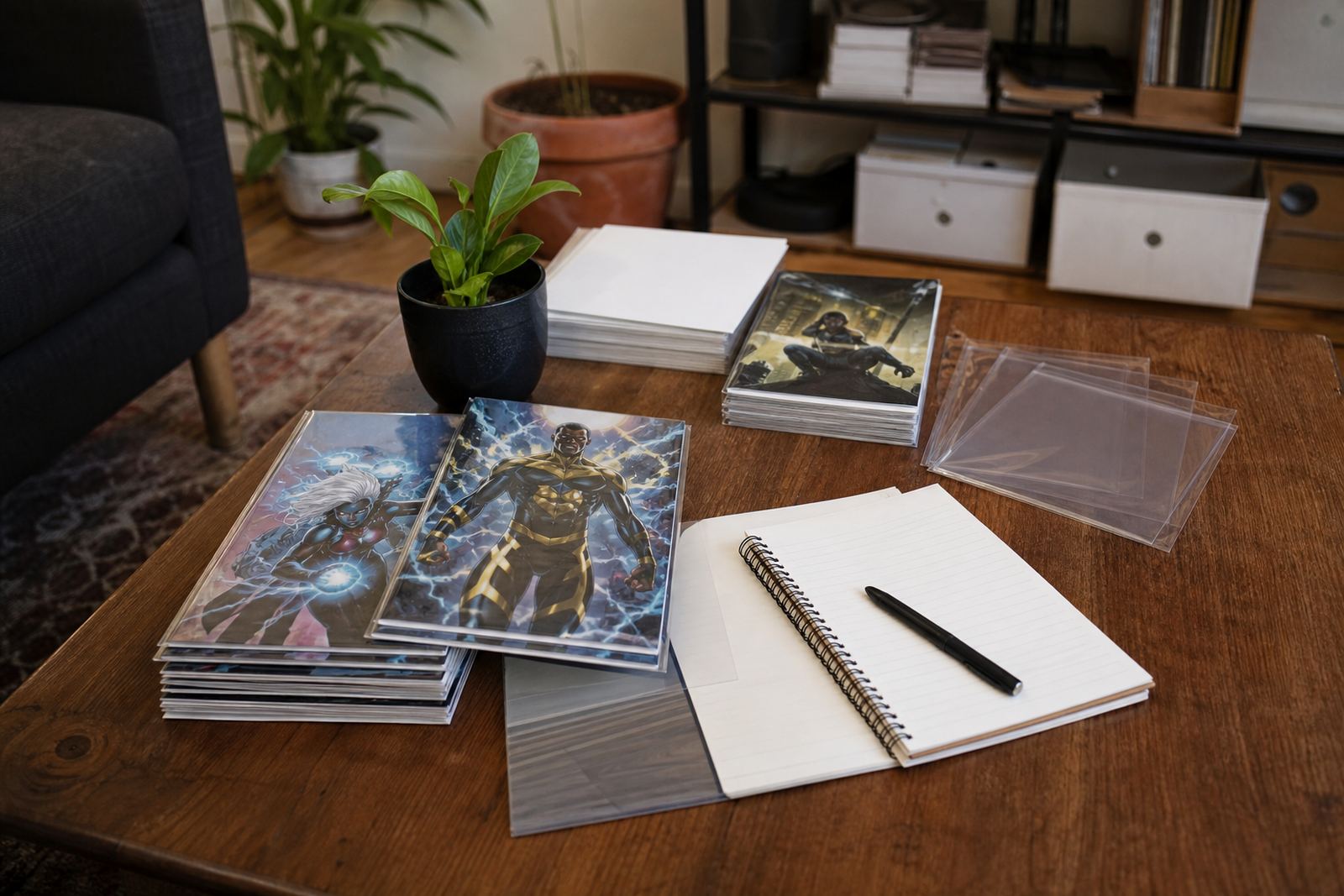
The best wish lists are practical. They name the item clearly, explain why it matters and note what condition or format you want. They do not need to be long, but they do need to be specific enough to guide a real purchase.
- Write the hero, series or theme in plain language
- Note whether you want a reading copy or display copy
- Add condition preferences, such as clean spine or minimal wear
- Mark if the item is for grading, storage or gifting
- Keep space for notes on courier delivery or local pickup
When a wish list is written well, collecting gets simpler. You spend less time guessing and more time building a set of comics that fits your taste, your space and your budget.
Name the title, issue or character you are hunting for, and our comic shop crew will help you track it down.
Contact form