
Start With One Clear Focus, Not Everything at Once
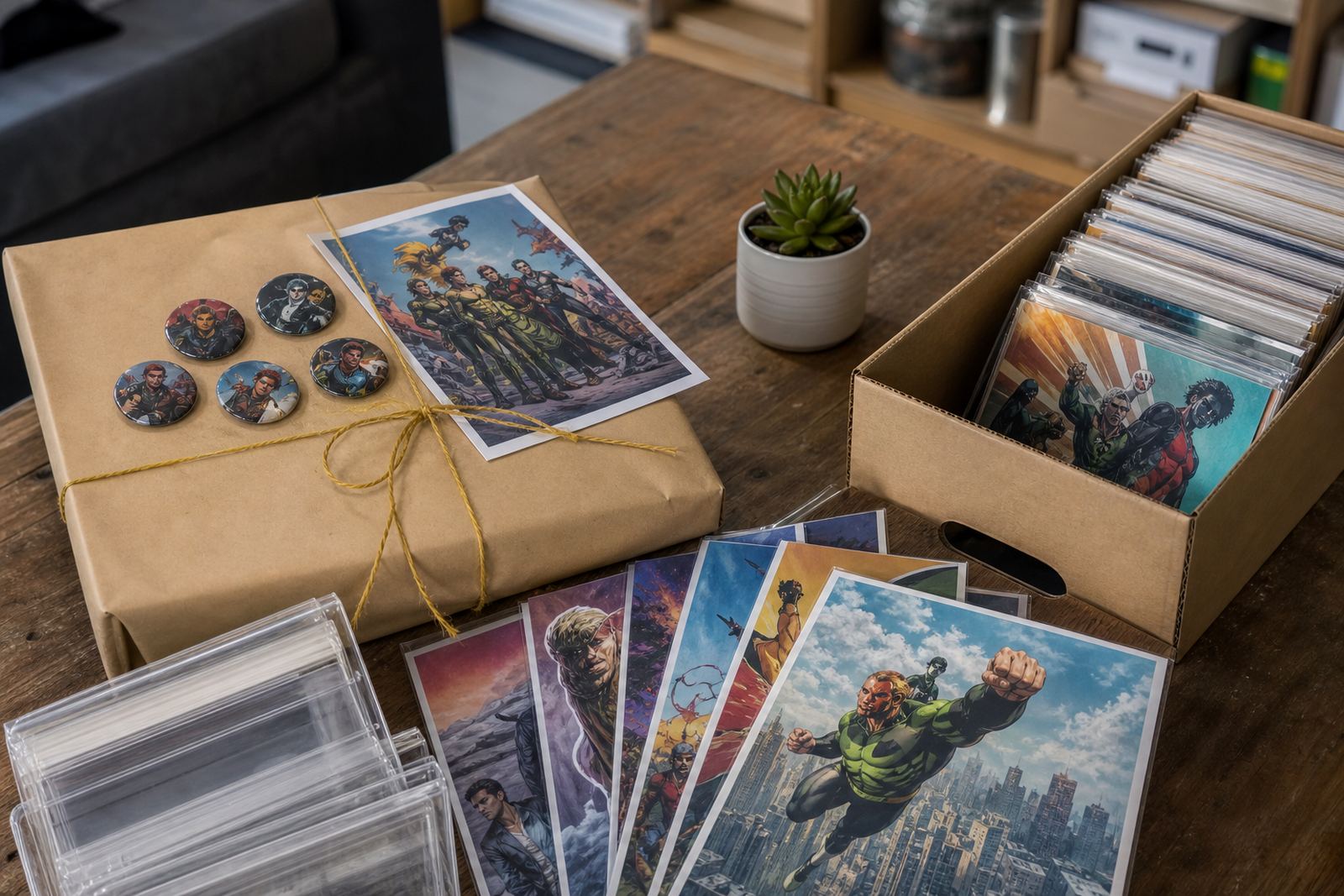
The fastest way to overspend is to buy a bit of everything. Pick one lane for your first few months, such as local superhero comics, character figurines, sketch cards, variant covers, or reader copies you want to enjoy without worrying about condition. A small focus makes it easier to learn what matters and what can wait.
For many new collectors, the best starting point is a simple rule: buy what you genuinely want to keep. If a comic, print or figure has a story that speaks to you, it will still matter years later even if the market shifts. That is better than chasing every item that appears online.
- Choose one theme, such as a hero, team, or collectable type.
- Set a monthly budget in Rand before you browse.
- Leave room for shipping and storage costs.
- Buy fewer items, but choose them carefully.
Buy with a plan, store with care, and your first few pieces will go a lot further.
Check Condition Before You Pay
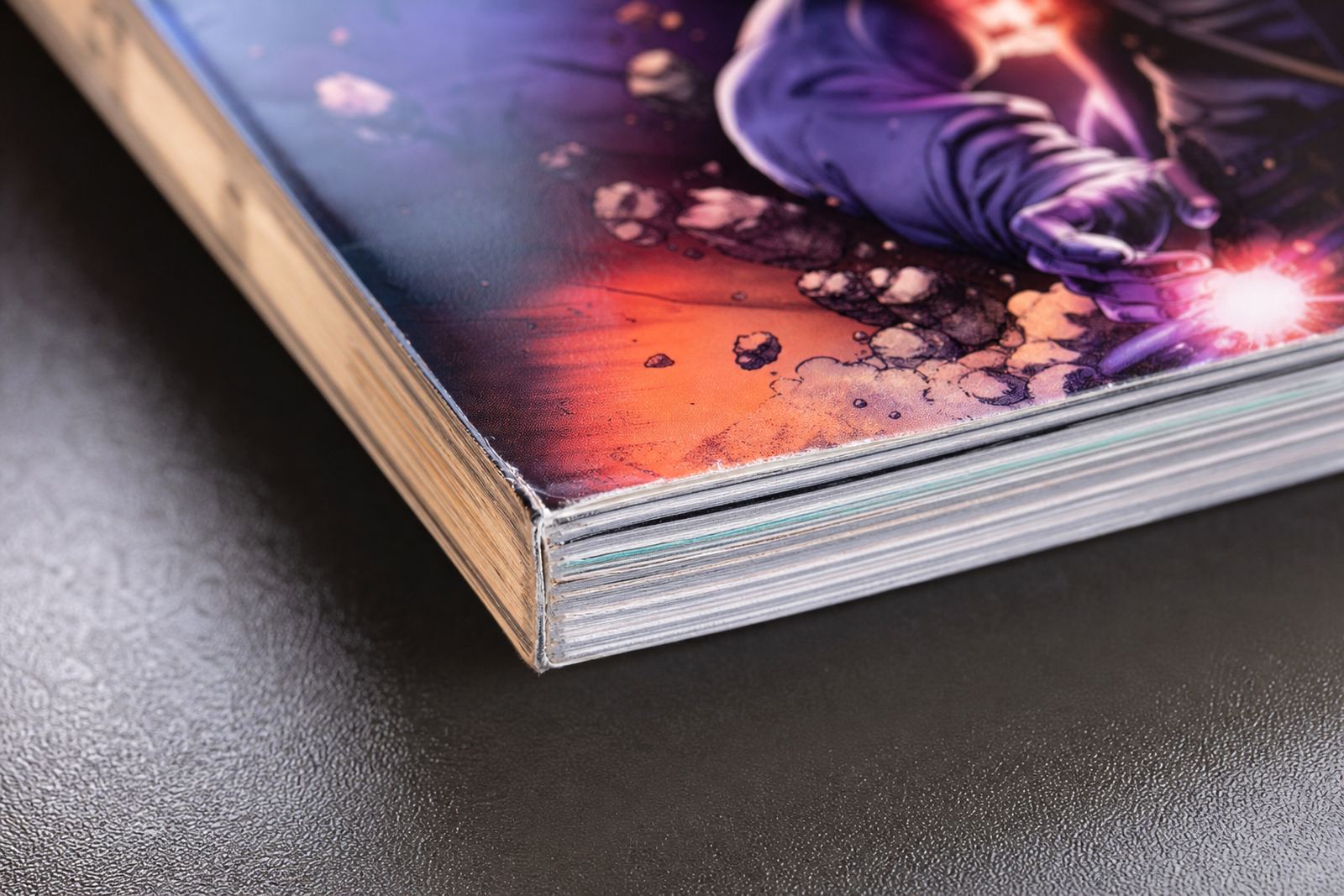
Condition is one of the biggest parts of collecting. A comic with a clean spine, sharp corners and no water marks will generally hold up better than one that has been handled loosely. For collectables, look for paint wear, loose joints, box damage and signs of damp. In Cape Town coastal air, moisture can creep into paper and packaging quicker than people expect.
If you are buying online, ask for clear photos of the front, back and corners. For comics, it helps to see the spine, staples and interior pages where possible. For figures and other collectables, ask whether the original packaging is present, and whether any repairs or replacements have been done.
- Look for bending, tears, fading and stains on paper items.
- Check seals, packaging and labels on boxed collectables.
- Ask whether the item has been stored in smoke free and dry conditions.
- Do not rush a purchase just because it is rare.
Learn the Basics of Grading Without Guessing
Grading does not need to feel technical on day one. The main idea is simple: the closer an item is to its original state, the better its grade is likely to be. That means fewer creases, cleaner pages, tighter binding and less wear overall. If you are unsure, start by comparing your item to a few examples in similar condition and ask for grading guidance before you spend extra.
When a comic seems especially important, a pre-submission check can save disappointment. Small issues like rust on staples, a tiny tear or a light fold may not be obvious to a new collector but they matter when you want to protect value. A grading coordinator can also help you decide whether an item is better left raw, cleaned lightly, or prepared for formal submission.
- Handle comics by the edges, not the centre of the pages.
- Keep track of anything you notice before storage.
- Do not use tape, glue or household cleaners on paper items.
- Store items separately if one piece has moisture or odour issues.
Set Up Storage That Works in South African Homes
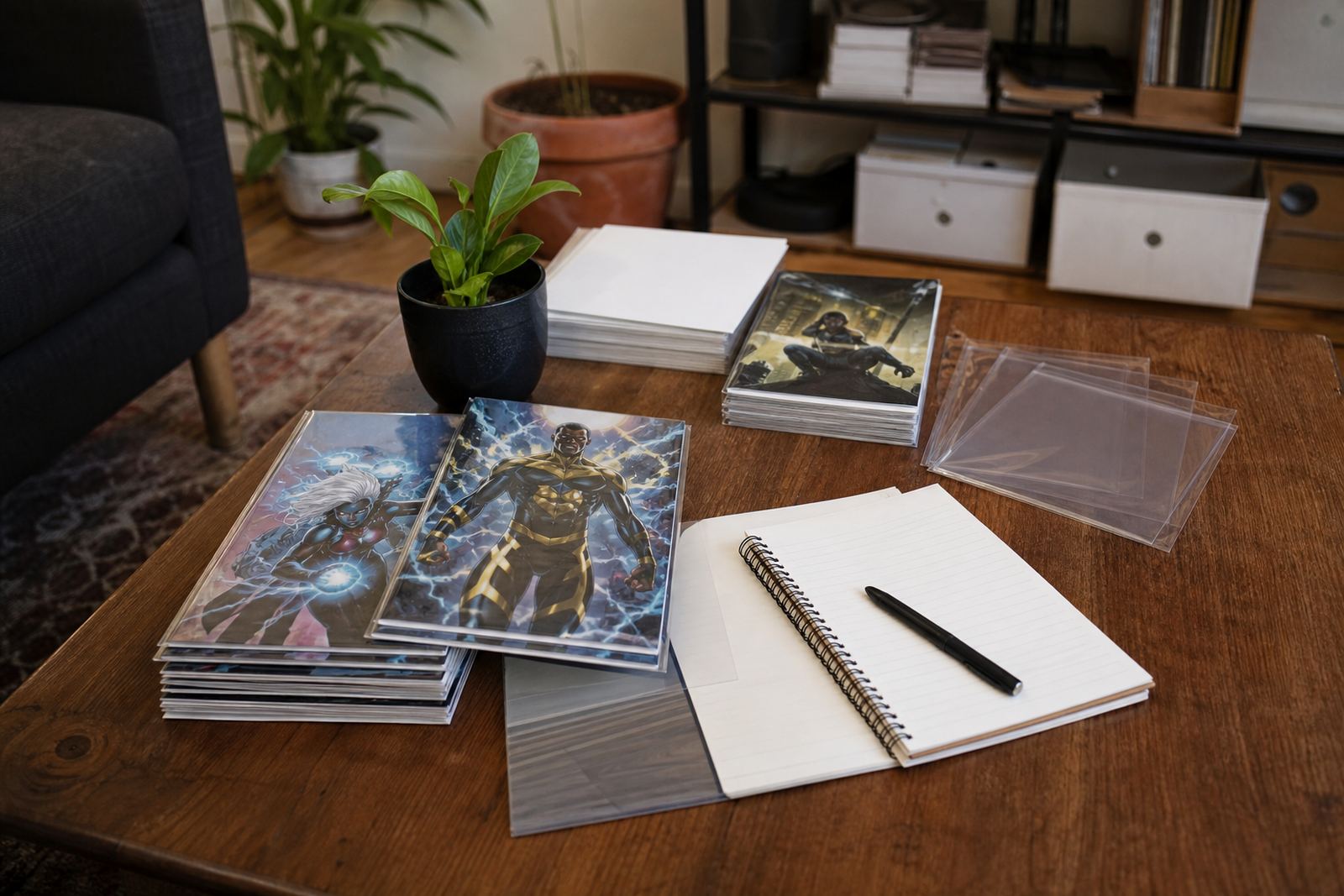
For comic collectors, practical storage beats fancy setups every time. In a flat in Observatory or a house in Bellville, your biggest risks are sunlight, humidity, dust and accidental pressure from stacking. Comics do best in sleeves with backing support, while collectables need stable shelving and enough space so boxes do not crush each other.
A proper storage plan should suit the room you actually have. If you only have one cupboard, use labelled sections and keep the oldest or most valuable pieces out of direct sun. If you have a larger collection, think about boxes, dividers and a simple log so you know what you own without pulling everything out again and again.
- Use acid-free sleeves and backing for comics.
- Keep items off the floor where possible.
- Avoid damp walls, direct windows and hot car boots.
- Label your boxes by type, date or character family.
Buy From a Plan, Not From Panic
Collectors often make mistakes when they feel they might miss out. A better approach is to make a short wishlist and stick to it. That list can include first issues, key appearances, favourite covers or specific collectables that fit your shelf. If something is not on the list, sleep on it before buying. A day later, you will usually know whether it was a want or an impulse.
For new collectors in South Africa, delivery timing also matters. Couriers can move quickly between Cape Town, Johannesburg, Durban, Pretoria and Gqeberha, but busy periods, weather and long weekends can still delay parcels. Plan purchases with that in mind, especially if the item is a gift or part of a larger set. Safe shipping prep is worth more than a rushed handover.
- Make a wishlist with clear priorities.
- Ask about protective packing for comic and collectable orders.
- Track what you already own to avoid duplicates.
- Leave space for future additions instead of filling every shelf now.
Use Local Support to Build a Collection You Can Keep
Starting well is easier when you have someone to guide you through the first few choices. A collector consultation can help with gift selection, collection organisation, display planning and wishlist sourcing, especially if you are buying for a child, a partner or a first time reader. If you are unsure whether a comic should be stored flat, sleeved, graded or simply enjoyed, practical advice will save time and money.
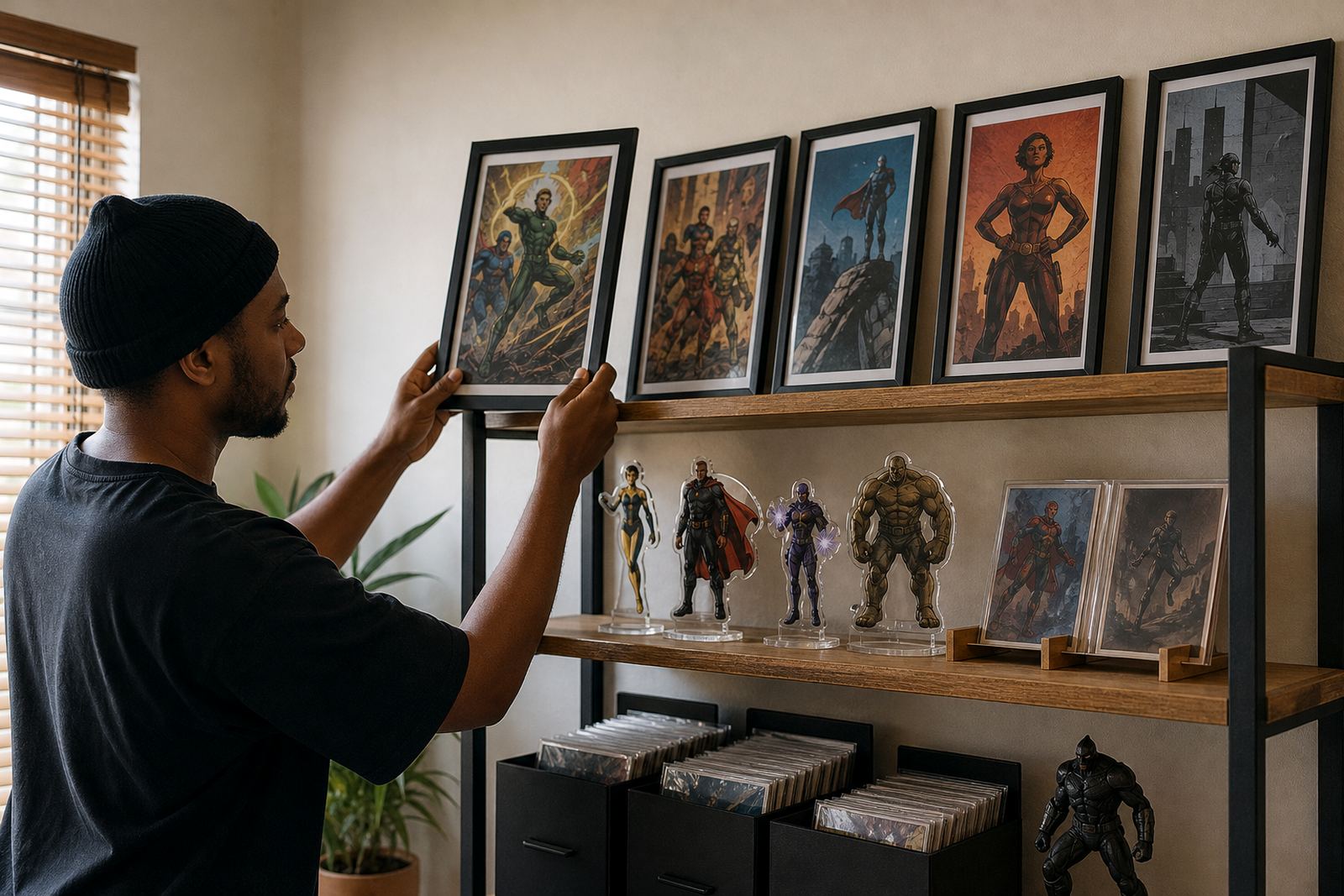
At our Observatory base in Cape Town, many first time collectors start with a few readable comics, one display piece and a storage plan they can maintain at home. From there, the collection grows at a pace that fits the person, not the hype. If you need help, use the enquiry form on the contact page and tell us what you already have, where you live and what sort of heroes you enjoy. That is usually enough to point you in the right direction, and yes some collections start small and stay meaningful for years.
Name the title, issue or character you are hunting for, and our comic shop crew will help you track it down.
Contact form