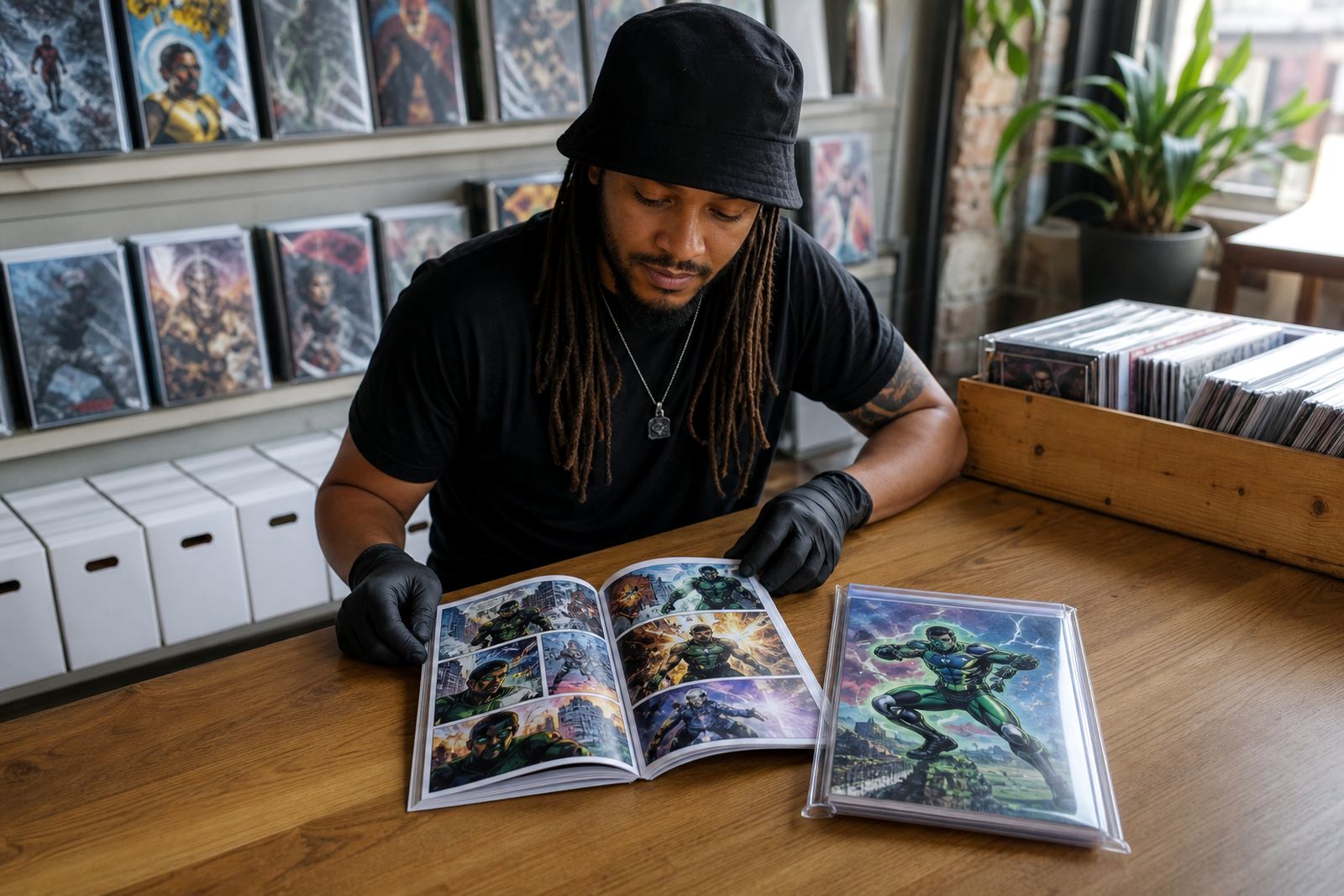
Reading first, collecting first, or a bit of both
Your reading habits shape every purchase. If you want to open a comic straight away, a good story, clean artwork and easy reading matter most. If you are collecting, the condition of the cover, the spine, the paper and how the comic was handled becomes just as important as the story inside.
Many South African buyers sit somewhere in the middle. They want to enjoy the issue now, then keep it in a tidy run for later. That is a sensible approach, especially when local superhero comics are harder to replace once they are sold out or no longer on the shelf. It also helps if you buy with a plan instead of grabbing every title that looks exciting.
A good rule is simple: if you only plan to read it, buy for content. If you plan to keep it, buy for condition too. And if you are not sure, treat it like a keeper until you decide otherwise.
Buy for the story, keep for the condition.
What Matters Most In The Story
Pace, character, dialogue and whether the issue stands on its own often matter most. A strong one-shot works well when you want a complete story in a single sitting. Ongoing series suit anyone who enjoys following a cast over time and seeing how the world changes issue by issue.
For a reader, variant covers and grade grades are less important than whether the comic is enjoyable to open.
- Look for stories that match your time and attention, not just the cover art.
- Choose characters or themes you want to follow over several issues.
- If you read at home, keep a lamp nearby and avoid folding pages back hard.
- For travel, use a small bag or folder so corners do not get crushed.
What collectors protect from the start
Collectors buy with long-term condition in mind. They notice corner wear, spine ticks, surface marks and any bend that may lower the comic’s appeal later. Even a small scuff can matter if you want a clean run or plan to resell one day.
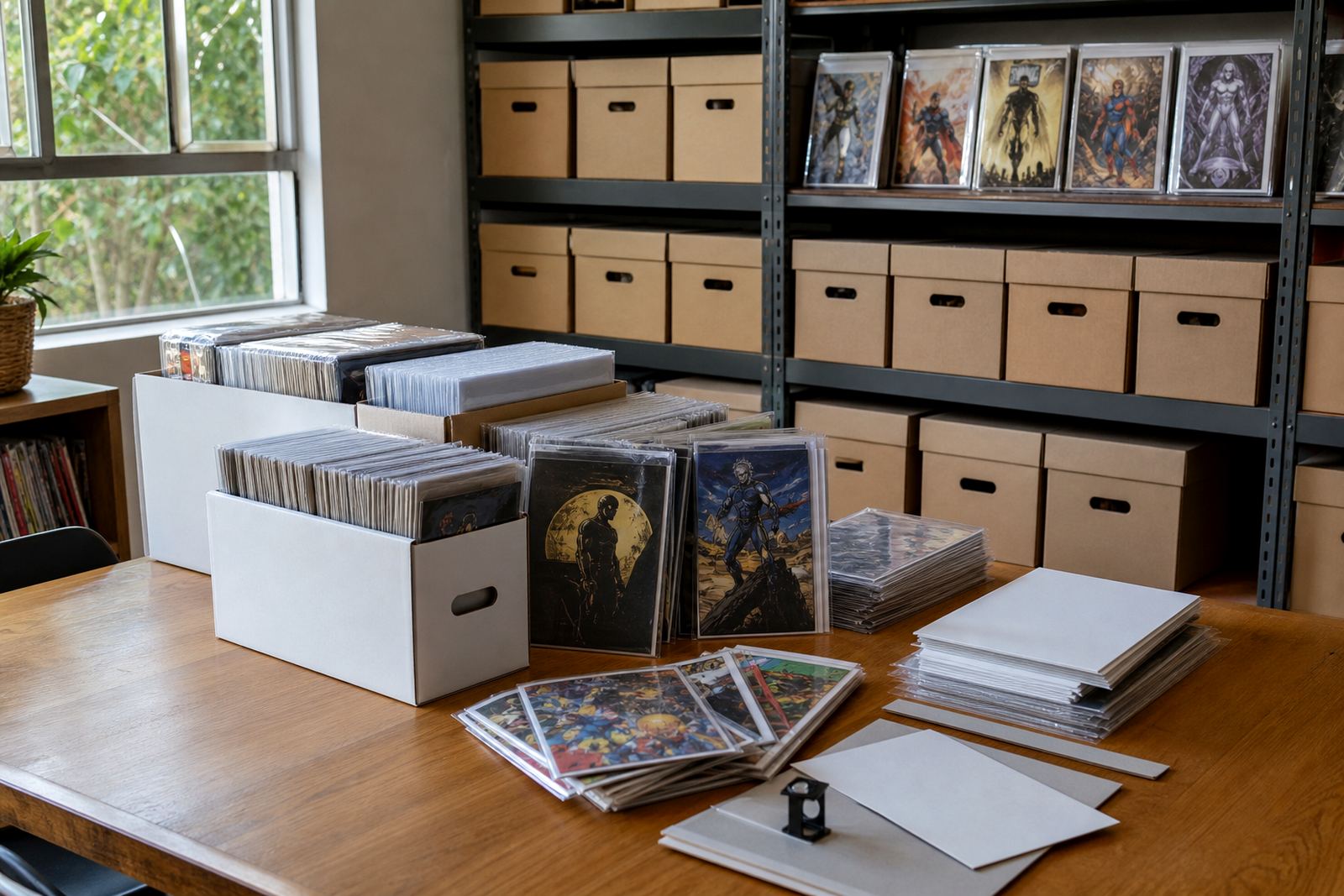
In Cape Town, humidity near the coast can cause paper to curl or covers to wave if comics are stored badly. In dry inland homes the risk is often dust and heat. Either way, the best habit is to handle comics with clean hands, keep them flat or upright in proper sleeves, and away from sunlight. A comic that stays tidy in week one is far easier to keep tidy a year later.
- Store each comic in a sleeve and board if you want to preserve condition.
- Keep boxes off the floor in case of damp or flooding.
- Avoid overfilling storage boxes, because pressure marks add up.
- Separate reading copies from keeper copies so you do not mix them up.
How grading changes the buying decision
Grading guidance matters most when a comic has collector value. A high grade means the item was handled with care and shows fewer signs of wear. Lower grades can still be useful for reading, but they are less attractive for display or long term keeping.
Before you submit anything for grading, do a proper check. Look at the spine, the staples, the edges and the inside pages. Check for folds, writing, stains or tears. If the issue is important to you, ask for pre-submission checks and cleaning advice first, because a careful wipe or a better storage plan can make a real difference. Not every comic needs grading, but the right one can benefit from it.
For new collectors, a simple question helps: are you buying this because you love the story, or because you want it kept in top condition? The answer changes how much effort you put into protection and handling.
Buying by goal: reading run, keeper run, or display piece
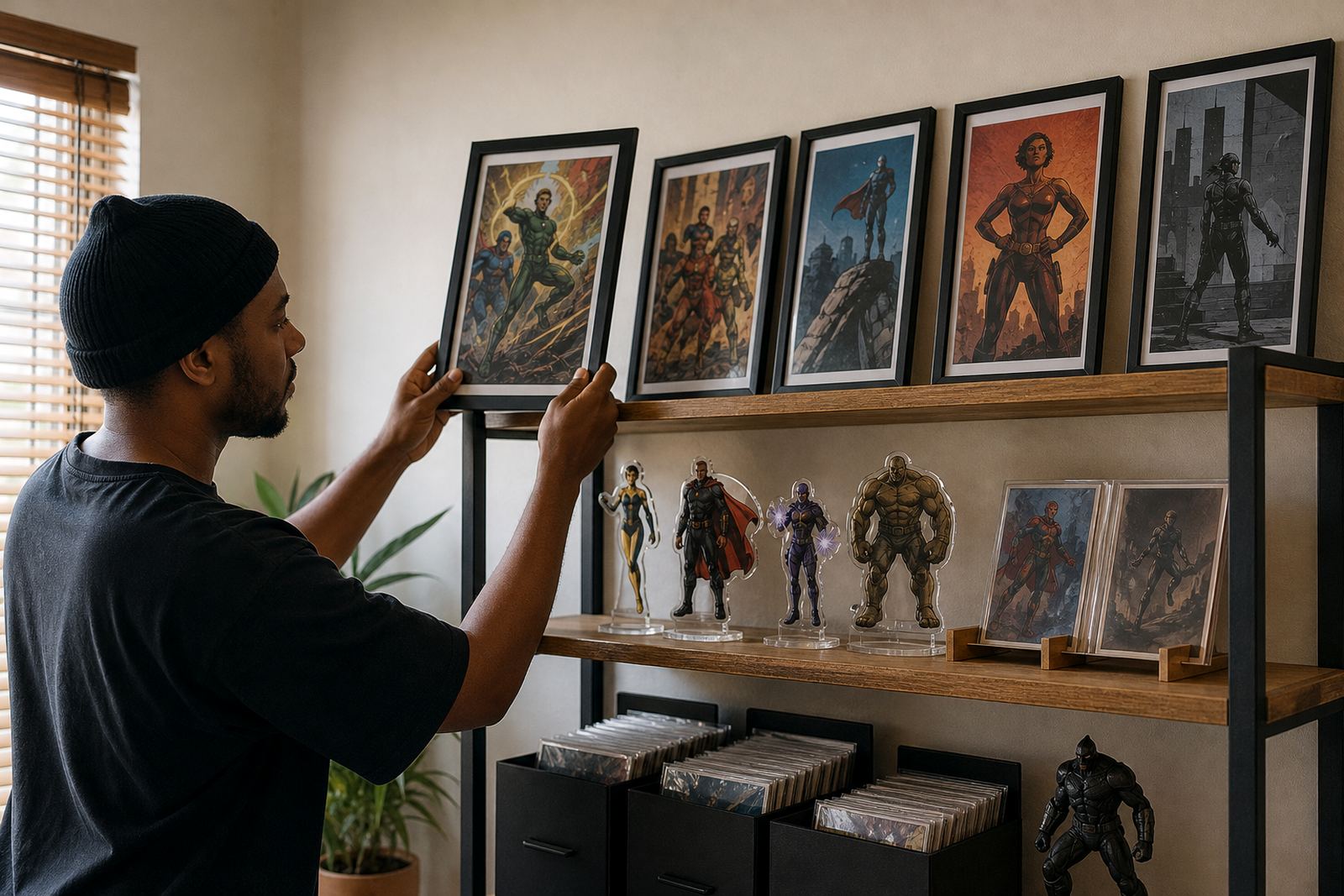
Once you know your goal, shopping becomes easier. A reading run is about story order and completeness. A keeper run is about condition consistency. A display piece is about visual impact, presentation and how well it fits with the rest of your collection.
That difference also affects how you use your budget. A reader may choose more issues and accept light wear. A collector may choose fewer issues but insist on cleaner copies. A display buyer may look for stronger covers, matching spines and comics that sit well in a frame or shelf set-up.
- Reading run: prioritise full story arcs and good value.
- Keeper run: prioritise clean copies, solid storage and careful handling.
- Display piece: prioritise cover appeal and neat presentation.
- Gift purchase: prioritise a character or theme the recipient already enjoys.
From the shop counter: The rest of South Africa
Picture a buyer in Observatory who enjoys local superhero stories after work, but also wants a few comics worth keeping neat. That buyer might order one set to read immediately and another set to store, then use safe shipping prep so the comics arrive flat and protected. The reading copies can be opened the same evening, while the keepers go straight into storage sleeves and a box away from sunlight.
Courier delivery across Cape Town, Johannesburg, Durban, Pretoria and Gqeberha makes that mix easy. A customer in Bellville might be building a complete run, while someone in Stellenbosch may only want a few gift items and one special issue for display. The right choice is not the same for everyone, and that is exactly the point.
Collector consultations can help if you are unsure whether a comic belongs in your reading pile or your long term set. It saves time, and it usually saves a bit of money too.
Building habits that suit your collection
Good collecting habits do not need to be complicated. Keep a list of what you own, what you want next and which items are meant for reading only. If your collection grows, use collection organisation to stop duplicates and missing issues from sneaking in. It is also worth planning display space early, because comics look best when they are not packed too tightly.
Subscriptions, wishlist sourcing and gift selection help buyers stay focused instead of buying randomly. That is useful whether you are new to local comics or already have shelves full of originals and collectables. The main thing is to buy with intent, then store with care.
In the end, the reader and the collector are not opposites. They simply ask different questions. One asks, “Is this a good story?” The other asks, “How well will this hold up?” If you ask both, you usually end up with a better collection.
Name the title, issue or character you are hunting for, and our comic shop crew will help you track it down.
Contact form