
Why rotation matters for comic displays
When the same comics, figures or framed covers sit in one spot for months, they take the same wear over and over. Sunlight through a window can fade covers, indoor dust settles into corners, and regular handling leaves fingerprints on glossy sleeves and cases. Rotating what is on display spreads that exposure across a larger part of your collection, so one or two pieces are not carrying all the risk.
For collectors in Cape Town, this matters even more in rooms that get strong afternoon light or sea air from the coast. In places like Observatory, Bellville and Stellenbosch, many homes have mixed light conditions through the day, so a display that looks fine in the morning can get too much sun by late afternoon. A rotation plan helps you keep the room looking neat without leaving the same items out all year.
Rotate what you show, and your collection gets a fair turn at being seen.
What to rotate and what to keep boxed
You do not need to hide every item away. The trick is to decide which pieces can handle longer display time and which should come out in short turns. High value comics, signed items, delicate sleeves and older collectables are usually better on a shorter cycle. Hardier pieces, such as sturdy figures or sealed items in proper cases, can stay out a little longer if the room is cool and dry.
- Rotate comics with lighter paper stock more often than slabbed or sleeved items in rigid holders.
- Keep especially valuable books out of direct sun, even for a short period.
- Move items with metallic parts or painted finishes if they sit near windows or heaters.
- Use the rotation to rest pieces that have already been on display for a season.
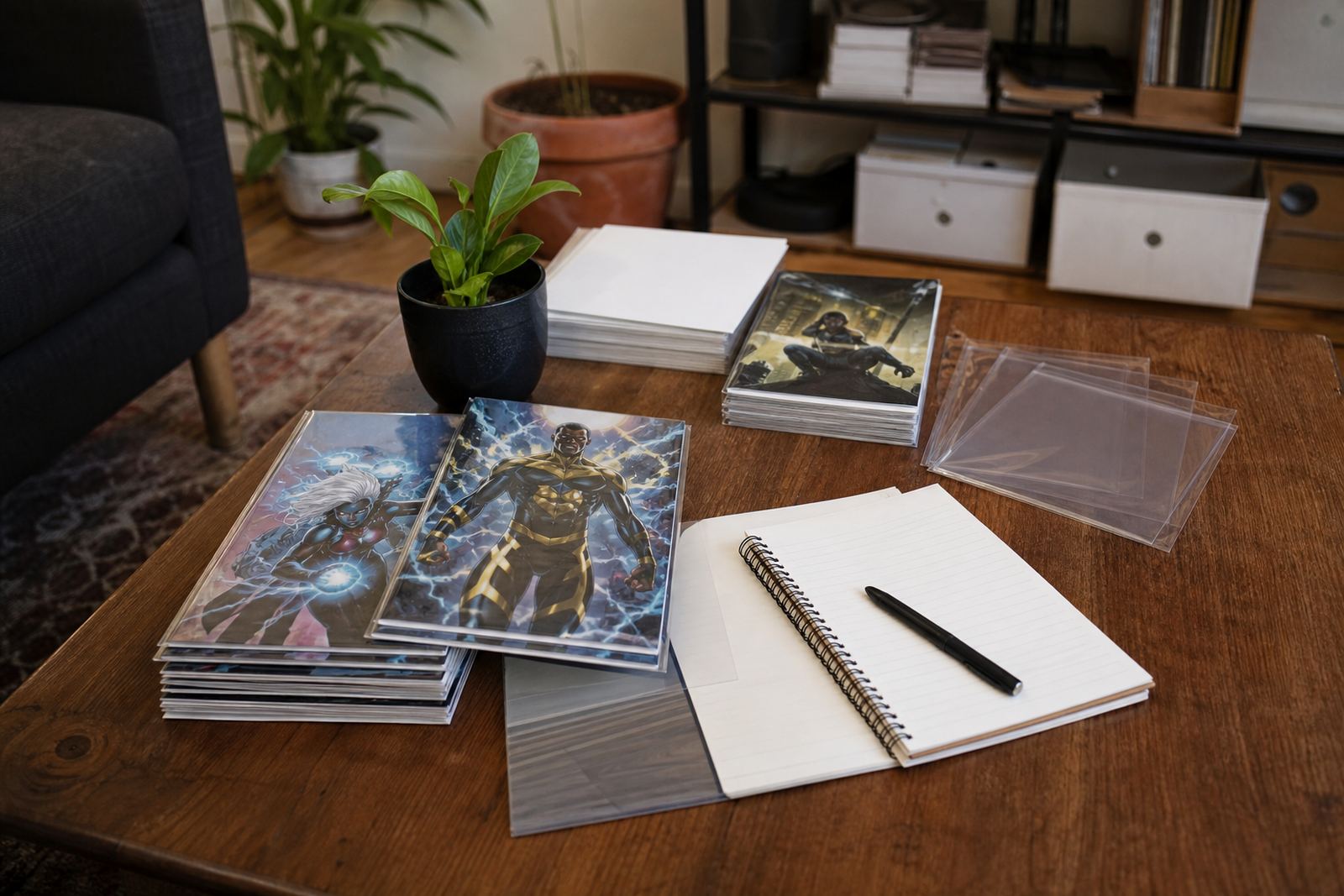
When planning a display, it helps to arrange the collection in layers. Your front row can change often, while your back-up storage stays organised and ready. That way the display feels fresh and your collection does not sit in one exact position for too long. It also makes it easier to spot dust build-up and any small faults before they turn into bigger problems, like a loose sleeve or a bent corner.
A simple rotation plan that works in a South African home
You do not need a complicated calendar. Most collectors do better with a steady routine that fits the way the room is used. If a display sits in a lounge or entertainment area, a monthly or seasonal switch is often enough. If it is in a study, passage or enclosed cabinet with lower exposure, a slower cycle may be fine. The key is consistency.
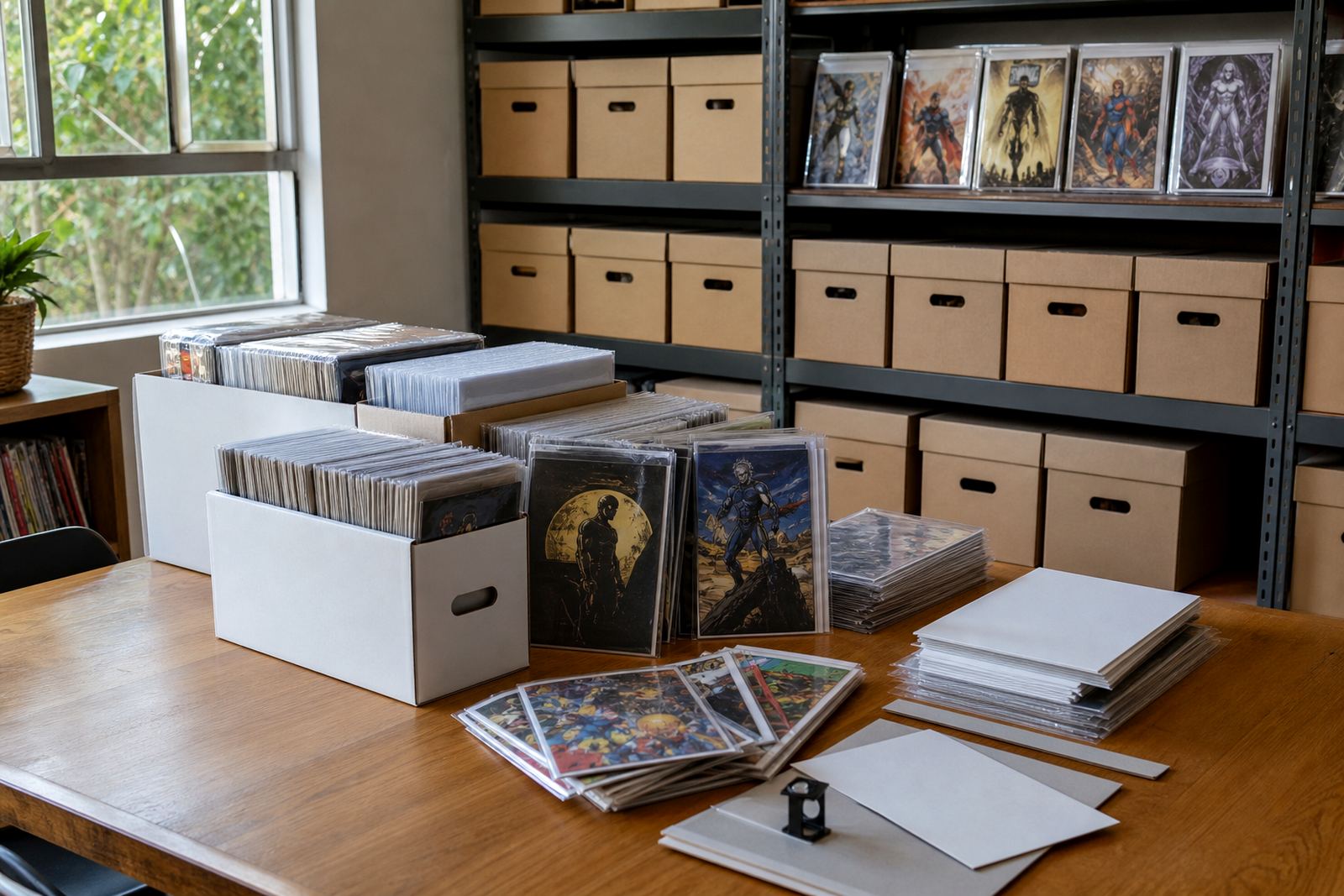
One practical method is to divide your display into three groups: current display, resting storage, and ready-to-show items. Label each group clearly so you do not need to open every box when it is time to swap. That reduces handling and helps keep things organised.
- Choose one day each month or every school term for swaps.
- Use soft cloths and clean hands when moving items.
- Check shelves, cases and wall mounts before placing items back.
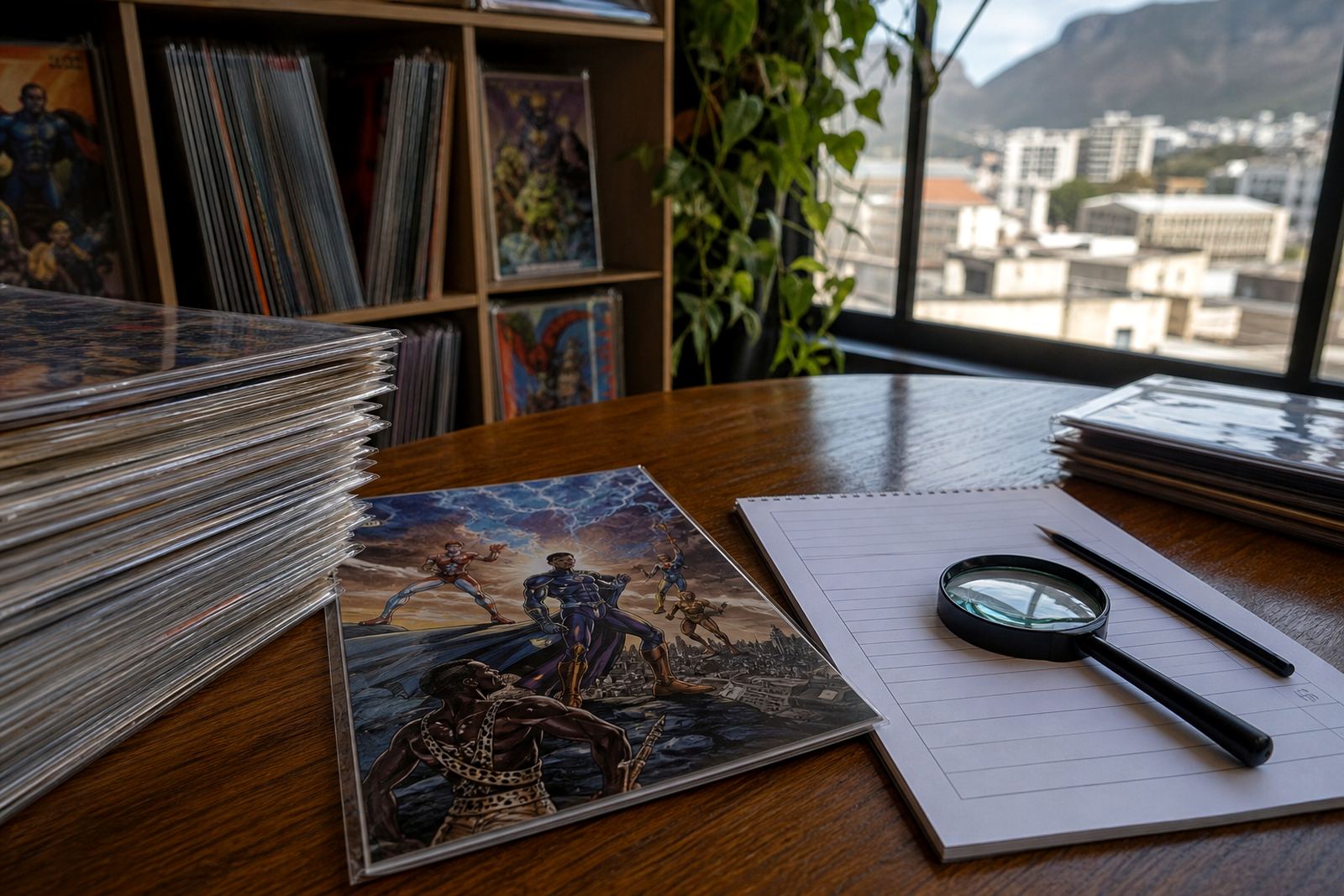
- Record what was displayed, so you can track wear over time.
How rotation supports better storage and grading care
Rotation is not only about what people see. It also helps you check condition before an item goes back into storage. A quick look for corner blunting, sleeve marks, loose tape or moisture spots can save you trouble later. This is especially useful if you plan to submit items for grading guidance or pre-submission checks, because you can catch small issues before they affect presentation.
Storage matters just as much as display. Use proper sleeves, boards, boxes and dividers that suit the size of the comic or collectable. In coastal areas, humidity can creep into cupboards and cabinets, so it is worth keeping items off the floor and away from walls that get damp. A small silica pack in the right place can help, but it should not replace proper airflow and sensible storage choices.
If a piece has been on display near a window, let it rest in storage for a while before it goes back out. That is a good habit for collectors who want their items to stay in better shape for longer. It also makes the collection easier to manage when you are preparing for a visit, an event or a home display.
Keeping the room fresh without buying more
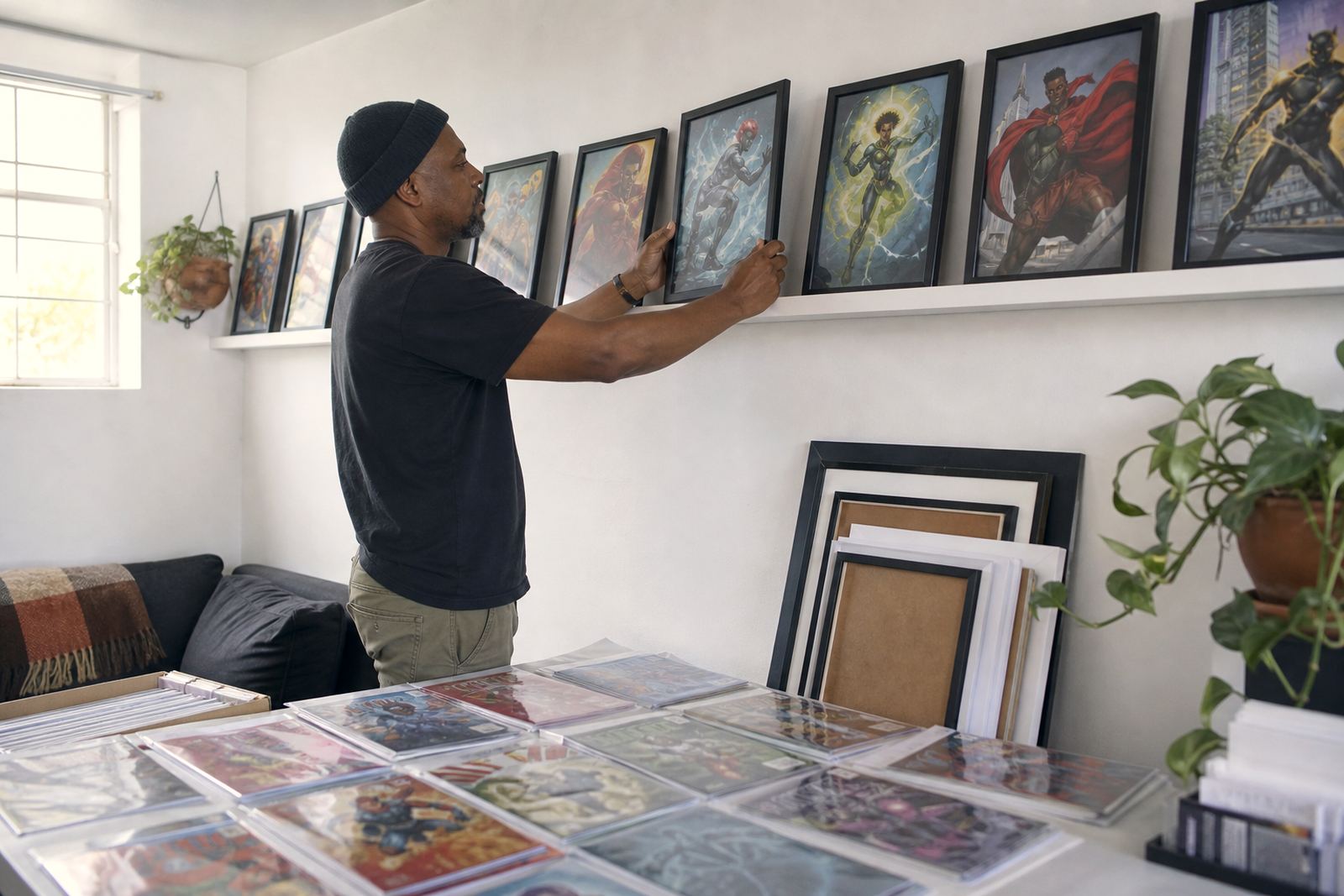
One of the best things about rotation is that it changes the feel of a room without needing to keep adding new items. A wall shelf, cabinet or framed section can look very different once you swap the arrangement, even if the collection itself stays the same. That gives you a fresh look while keeping spending under control.
Many collectors like to change themes by colour, character type or story mood. One month the shelf might feature a street-level hero group, the next month a set of space or tech-based figures, then a mix of original local heroes with different costumes and settings. This keeps the display interesting for visitors and for the collector too. It also helps if you use the room for work or family time, because the space does not feel static.
- Change the front row arrangement before adding more items.
- Use stands and risers to create depth without crowding.
- Swap background art or printed inserts when you rotate the main pieces.
- Keep the best-loved items in view, but not all at once.
A comic parcel sent to Durban
Take a collector in Observatory who keeps a small display in a bright flat near the coast. In summer, that display gets strong light in the afternoon, so the collector keeps only a few comics and one or two figures out at a time. Every few weeks, the shown items are swapped with another set from storage, and the shelves are cleaned before the new pieces go in. The result is a room that stays tidy and the collection gets far less one-sided wear.
The same approach works if items are being couriered to Johannesburg, Durban, Pretoria or Gqeberha. When pieces travel, good packing and a clean rotation system make it easier to unpack, inspect and place them safely. This is where safe shipping prep and collection organisation come in handy. If you know what has been displayed, what is resting and what still needs attention, it is much easier to keep the whole collection under control.
For collectors across South Africa, from Cape Town to Bellville and Stellenbosch, rotation is a practical habit not a fancy extra. It protects condition, makes room changes easier, and keeps your shelves from becoming predictable. Small adjustments, done steadily, can make a proper difference over time.
Name the title, issue or character you are hunting for, and our comic shop crew will help you track it down.
Contact form