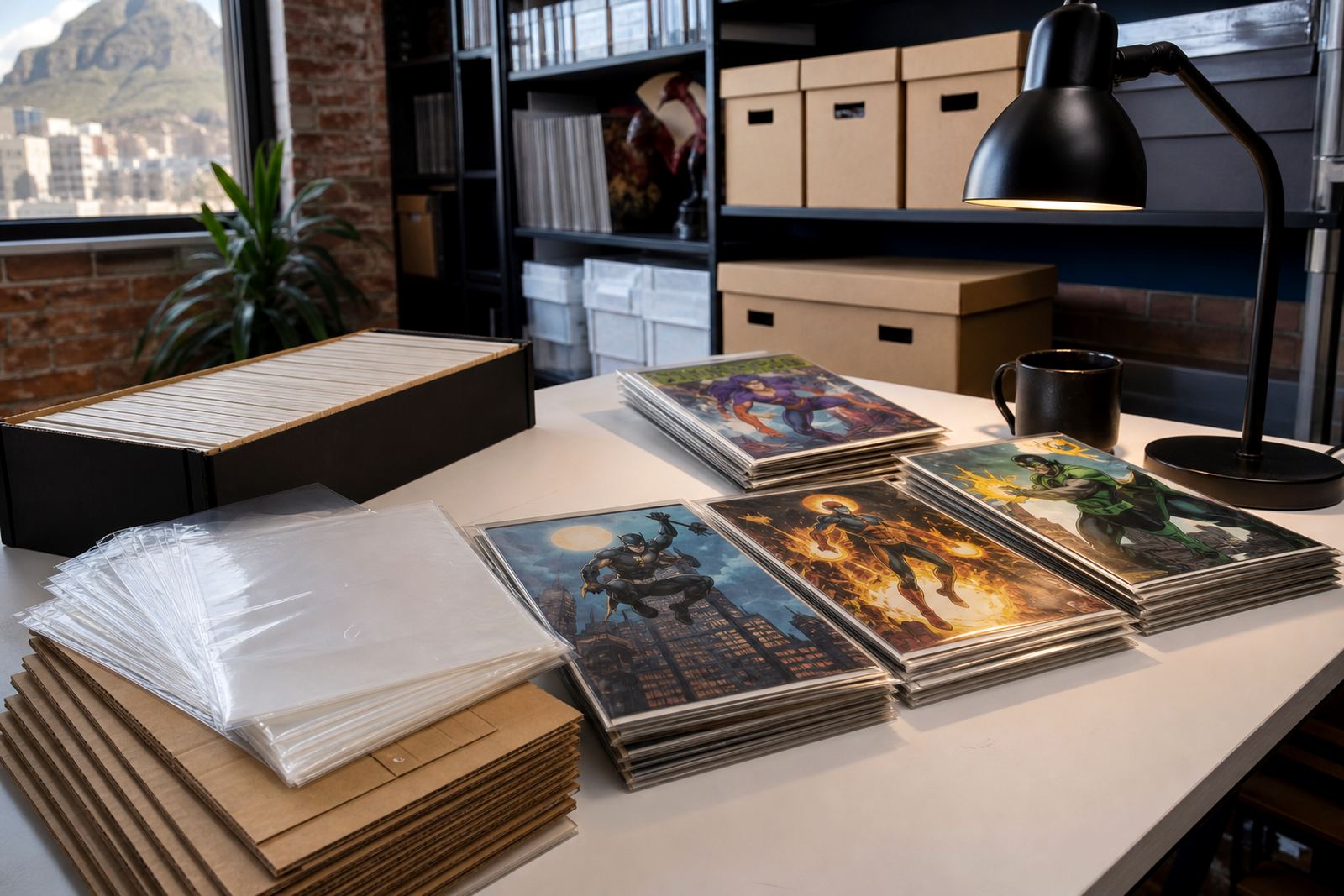

Start with the cover, because that is where most trouble shows
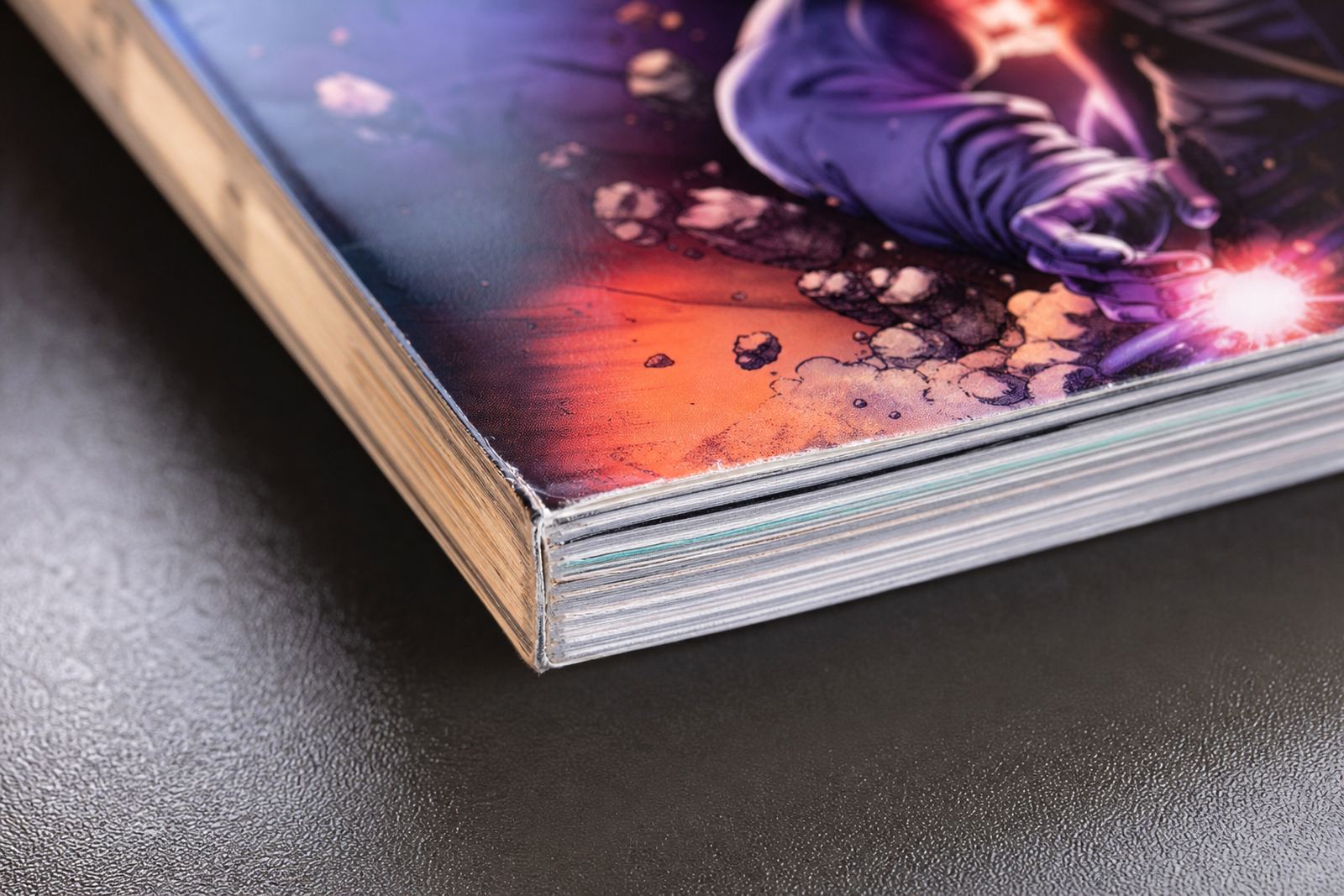
The cover is the first thing a collector notices and the first place wear usually shows. Look along the spine, corners and edges for creases, colour rub, tiny tears and blunt tips. A cover that still presents well can lose confidence quickly if the spine is split or the front has been folded back even once.
In Cape Town, we often see comics that looked fine in a quick photo but showed edge lift and faint rubbing once removed from a tight sleeve. That sort of wear is common, especially where books have been handled at markets or kept in a box that moved around during a courier trip. It is not always serious, but it does change how a piece is judged.
- Check for spine stress marks running beside the staples
- Look for corner blunting rather than sharp, square corners
- Watch for colour transfer from another book or bag
- Feel for waviness that may point to moisture exposure
A comic can look fine until the small faults start speaking for it.
Pages tell their own story, even when the outside looks clean
Open the comic carefully and inspect the paper. Pages should sit flat and turn without sticking. Yellowing is normal with age, but uneven browning, foxing spots or a musty smell can point to storage problems. If the paper feels soft and tired, the comic may have been kept in damp conditions or near a window with strong sun.
In coastal areas like Gqeberha, humidity can creep into storage very slowly. A book might appear dry on the shelf, then show ripple, a light wave through the pages or faint staining at the bottom edge. That is why collectors often use bags, boards and sealed boxes, but even those need checking after long periods in storage.
A little foxing on the outer page edge does not always mean disaster, though it can affect presentation. The key is to separate normal age from active damage that may still be spreading.
Staples, binding and spine faults need a closer look
The spine holds a comic together, so any weakness there matters. Check whether the staples are firmly seated and whether rust has started to show. Rust can stain the paper around the staple area and may spread if the comic stays in poor conditions. Loose wraps, split staples or a spine that opens too widely are all signs that the book has been handled more than it should have been.
Some collectors keep a comic in a display frame or stand for months without rotating it. That can place pressure on the binding and the lower spine, especially if the holder is too tight. If you are buying for a collection or gifting, it is worth asking whether the book has been read, displayed or stored flat.
- Rust around staples should be treated as a warning sign
- Heavy spine roll can affect both presentation and grading confidence
- A split at the top or bottom of the spine often gets worse with handling
- Detached covers are usually much more serious than small surface wear
Look for moisture, heat and sun damage before you store anything else
Paper collectables react quickly to local weather, from Cape Town moisture to Johannesburg dust and dry air. Summer heat, coastal humidity and storage near windows all leave marks over time. Moisture damage may show as waviness, dark patches, tide lines or a faint smell that does not leave the room easily. Sun damage usually fades colour and dries the paper, making it brittle. Once paper has gone brittle, even careful handling can cause small breaks.
If a comic has been boxed in a warm room without air flow, it can trap dampness inside the packaging. That is why storage planning matters just as much as the comic itself. Good storage is simple but it must be consistent.
Here are signs that the environment may have caused the problem:
- Rippling along the whole page block
- Discolouration at the bottom edge of the comic
- Sticky or clumped pages after a humid spell
- Bleached cover areas from direct sun exposure
Handling marks can change a comic from collectable to caution
Finger marks, small bends and surface scuffs may seem minor, but they matter when buyers compare copies. Even clean hands leave oils behind, and repeated handling leaves shiny rub marks on dark covers. A comic that has been read carefully can still be in good shape, yet collector confidence is usually lower if the same fault appears again and again across several areas.
If you are sorting a collection in Observatory or packing books for courier delivery to Johannesburg, Durban, Pretoria or Stellenbosch, handle each comic by the centre and keep drinks, food and rough packaging away from the pile. A small slip during sorting can crease a cover in seconds, and once it is there the mark is difficult to ignore.
When in doubt, separate books into three groups: display worthy, read and store, or needs review before sale. That simple step saves time later and it helps with collection organisation.
How to judge whether a flaw is light wear or a real problem
Not every mark lowers confidence the same way. A tiny corner blip is different from a spine split or water stain. The trick is to ask whether the flaw affects eye appeal, structure or long term safety. If it changes how the comic looks from arm’s length, or if it threatens the paper over time, treat it as a proper issue.
For local collectors, this matters most when building a mixed shelf of reads, gifts and display pieces. A neat comic with one or two light marks may still suit a casual reader or a themed gift. A book with multiple faults may need pre-submission checks, storage planning or safe shipping prep before it is sent anywhere.
Use this practical test:
- If the flaw is visible at first glance, it will influence presentation
- If the flaw is physical, it may worsen with more handling
- If the flaw affects paper or binding, it can reduce collector confidence quickly
- If the flaw smells damp or looks active, it needs attention before storage
A Cape Town example: one box, three very different outcomes
One comic has a light crease on the back cover, another has a slight wave from humidity and the third has rust beginning at the staples. At a glance they might all seem similar, but they need different responses. The first may be fine for reading, the second may need better storage, and the third should be separated immediately so the rust does not spread.
That is why condition spotting is not just for sellers or graders. It helps anyone who keeps comics for the long term. Whether you are building a collection, looking for wishlist sourcing, or planning a gift, the more clearly you can read condition, the better your choices will be. A bit of patience now can save a lot of regret later, and it keeps the collection looking sharp.
A proper collector consultation can help you sort the page by details before you commit to cleaning, storage or shipping. It is a small step, but it makes a real difference to how a comic presents and how it is trusted.
Name the title, issue or character you are hunting for, and our comic shop crew will help you track it down.
Contact form