
Start With the Item, Not the Stand
Before you buy anything, measure the item you want to show. A comic in a bag and board needs a different support from a boxed figure, an acrylic shell, or a small statue with a wide base. If the stand is too narrow, the item will lean. If it is too deep, it can swallow up shelf space and make the display look crowded.
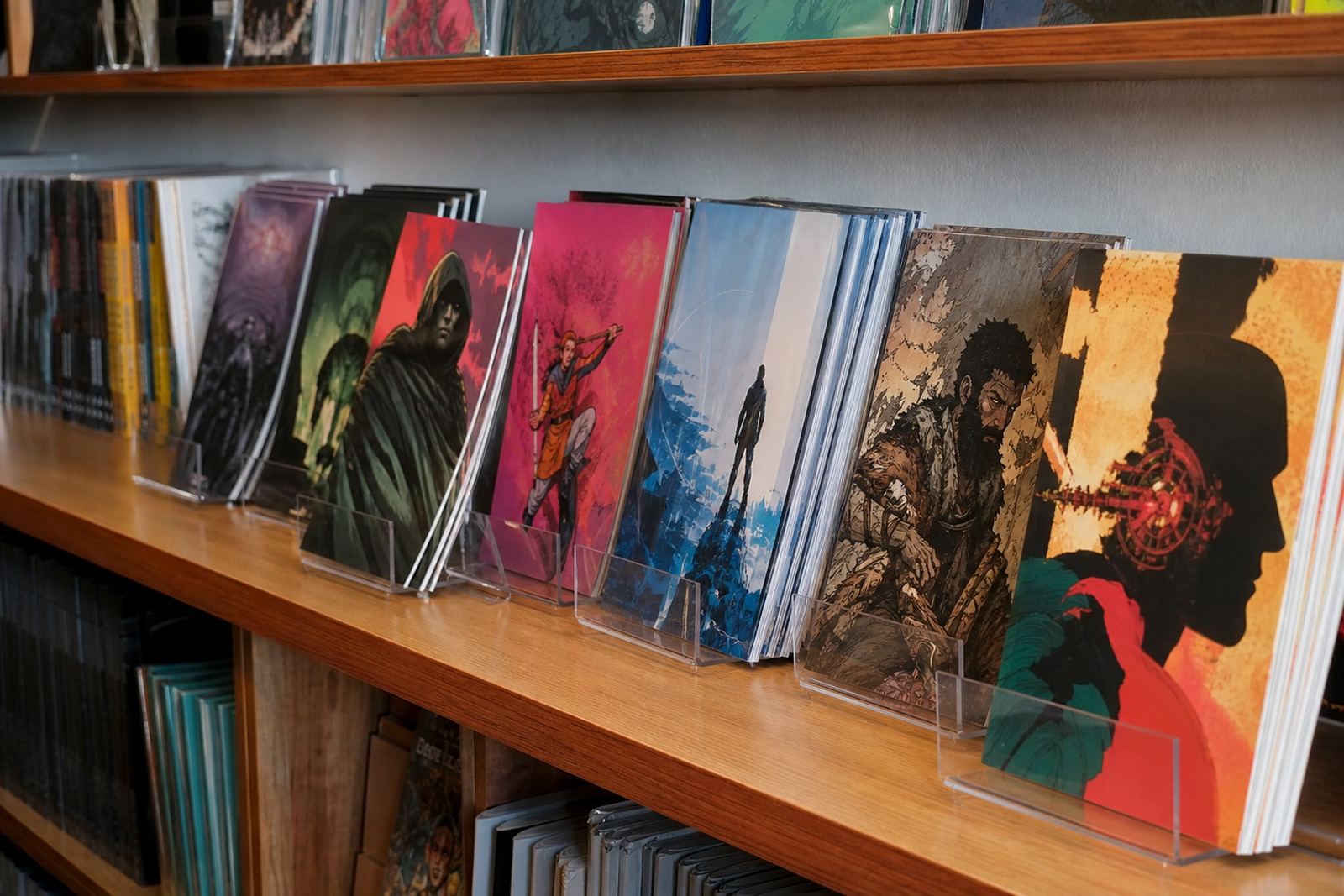
For comics, the aim is usually light support and a safe angle. For small collectables, the key is balance. The item should sit flat, with no strain on joints, corners or packaging. A stand should never force an item into a position it was not made to hold.
- Check height, width and base depth before buying.
- Allow a little extra space for sleeves, holders or bags.
- Make sure the item does not overhang the edge of the stand.
A display stand should support the item, not fight it.
Choose Stable Feet for Shelves in Real Homes
In a Cape Town flat, a family lounge in Durban, or a study in Pretoria, the shelf itself matters as much as the stand. A good display stand has a low centre of gravity and feet that grip the shelf surface. Smooth glass or polished timber can let lighter stands slide, especially when someone closes a door hard or bumps the unit while cleaning.
Look for a base that sits evenly. If the stand rocks even slightly, leave it. That small wobble becomes a bigger problem over time, and it can mark covers, scuff packaging or tip a collectable onto its side.
- Prefer wide bases for taller items.
- Test the stand on the exact shelf you will use.
- On smooth surfaces, use a non-slip pad if needed.
Mind Sun, Dust and Coastal Air
South African conditions can be hard on displays. Direct sun fades covers and can warp some plastics. Dust settles quickly in open rooms. Near the coast, humidity can affect paper, packaging and metal parts over time. In Observatory, where the air can shift from dry to damp in a short time, a simple open stand may be fine for a short viewing period, but longer term storage needs more care.
For comics, keep the stand out of direct sun and away from windows. For collectables, avoid placing them where sea air or kitchen steam can reach them. A clear stand should support the item without adding heat, grime or pressure points. If a stand includes clips or arms, check that they do not rub the cover, sleeve or paintwork.
- Use UV-safe placement whenever possible.
- Keep displays away from heaters, windows and cooking areas.
- Dust items and stands regularly with a soft, dry cloth.
Plastic, Acrylic or Metal, What Works Best?
There is no single best material. It depends on the item, the room and how often you handle the display. Clear acrylic is popular because it keeps the focus on the item and works well for comics, cards and boxed figures. Metal can be stronger for heavier collectables, but it may look harsher in a small room. Plastic stands are often light and affordable, although some can flex if the item is heavy.
When comparing materials, check the finish too. Rough edges can scratch sleeves or snag packaging. Cheap glossy surfaces can show fingerprints quickly, which means more cleaning. A practical stand should be easy to wipe down and not leave marks behind after a few weeks on the shelf. That saves time and keeps the display looking neat, not messy.
- Acrylic suits lightweight display pieces and clean presentation.
- Metal suits heavier items where strength matters more than looks.
- Plastic works for simple, budget friendly setups if the fit is right.
Think About Grading, Storage and Resale Value
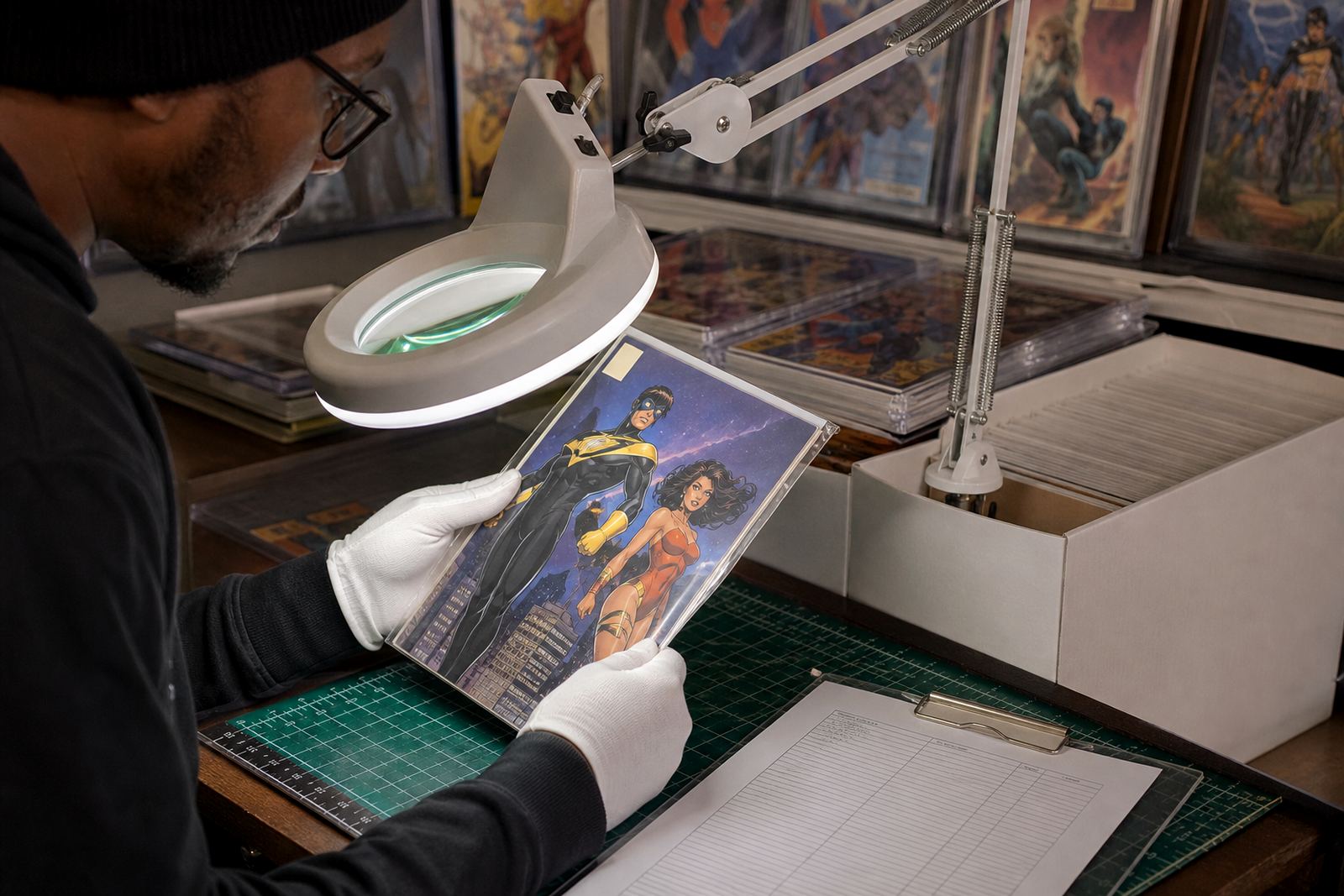
If you collect comics seriously, display choices can affect condition. A stand that bends a cover, presses into a spine or traps moisture under a sleeve is a bad choice. Even if the item looks good today, poor support can cause issues later. That matters if you ever want to submit an item for grading or keep it in top shape for trade or resale.
Use stands that support the item without squeezing it. For graded or sealed items, the stand should fit the slab or case without scratching the edges. For ungraded comics, a stand should work with proper storage, not replace it. A display is the last step, not the whole plan. Good collectors keep a clean rhythm: inspect, store, display and check again later.
- Never let a stand pinch corners or spine edges.
- Keep graded items on supports made for the slab size.
- Recheck items after a few days to see if they have shifted.
A Local Example: One Shelf, Three Kinds of Display
Take a collector in Bellville with one living room shelf and a few favourite pieces. They might keep a single comic upright on a simple acrylic stand, a small figurine on a wider base, and a boxed item in a protective case on a flat riser. That setup gives variety without clutter. It also makes dusting easier, which matters if the shelf sits near an open window or a busy passage.
If the same shelf is in a home office in Johannesburg, the collector might choose slightly heavier stands because the room gets moved around more often. In a display unit in Gqeberha, where sea air can creep in, the best choice may be fewer open pieces and more protected presentation. The right stand is the one that fits your room, your habits and your collection, not just what looks good in a shop photo.
- Mix heights for interest, but keep each item secure.
- Leave space between pieces so they do not knock each other.
- Choose easy-clean finishes if the shelf gets used daily.
Name the title, issue or character you are hunting for, and our comic shop crew will help you track it down.
Contact form