
Start With The Footprint, Not The Wish List
When a statue or larger figure comes home, the first question is not where it looks best, but where it will actually fit. Measure the base, the widest point of the pose, and the height from shelf surface to the highest detail. Leave a little extra space for fingers when lifting it out, because tight gaps make chips and scuffs far more likely.
In many Cape Town apartments and townhouse units, shelving is shallow and the walls can feel cramped. A piece that looks fine in a box can suddenly overhang the edge once it is placed. For heavier collectables, use a surface with enough depth so the base sits fully supported, not half on and half off. If the item leans forward or has a wide cape, weapon or stand, allow for that shape too.
A practical way to plan is to work from the largest item first. Once that one is placed, smaller pieces can fill around it without creating a crowded look.
A good display gives a statue room to stand, not just a shelf to sit on.
Depth Matters More Than Most Buyers Expect
Shelf depth affects both safety and how the display reads from across the room. A shallow shelf can make a statue look like it is floating awkwardly, while a deeper shelf gives the figure room to breathe. For a seated character, a wide base, or a piece with outstretched limbs, deeper shelving is usually the better choice.
If you are setting up in a lounge with a TV unit, take note of vibration and daily movement. People walking past, children reaching up, and doors opening nearby can all cause small shifts.
- Check the full footprint, not only the base width
- Allow space behind the piece for cables or wall clearance
- Do not let the front edge carry any part of the weight
- Use felt or soft pads if the shelf surface is glossy or hard
Light Should Show Detail Without Harming The Finish
Good light makes sculpting, paintwork and texture easier to appreciate. Poor light hides details and can make a collection feel unfinished. The trick is to light from the side or above at a gentle angle, rather than blasting the front with a harsh source. This helps shadows sit naturally across armour, fabric folds and facial features.
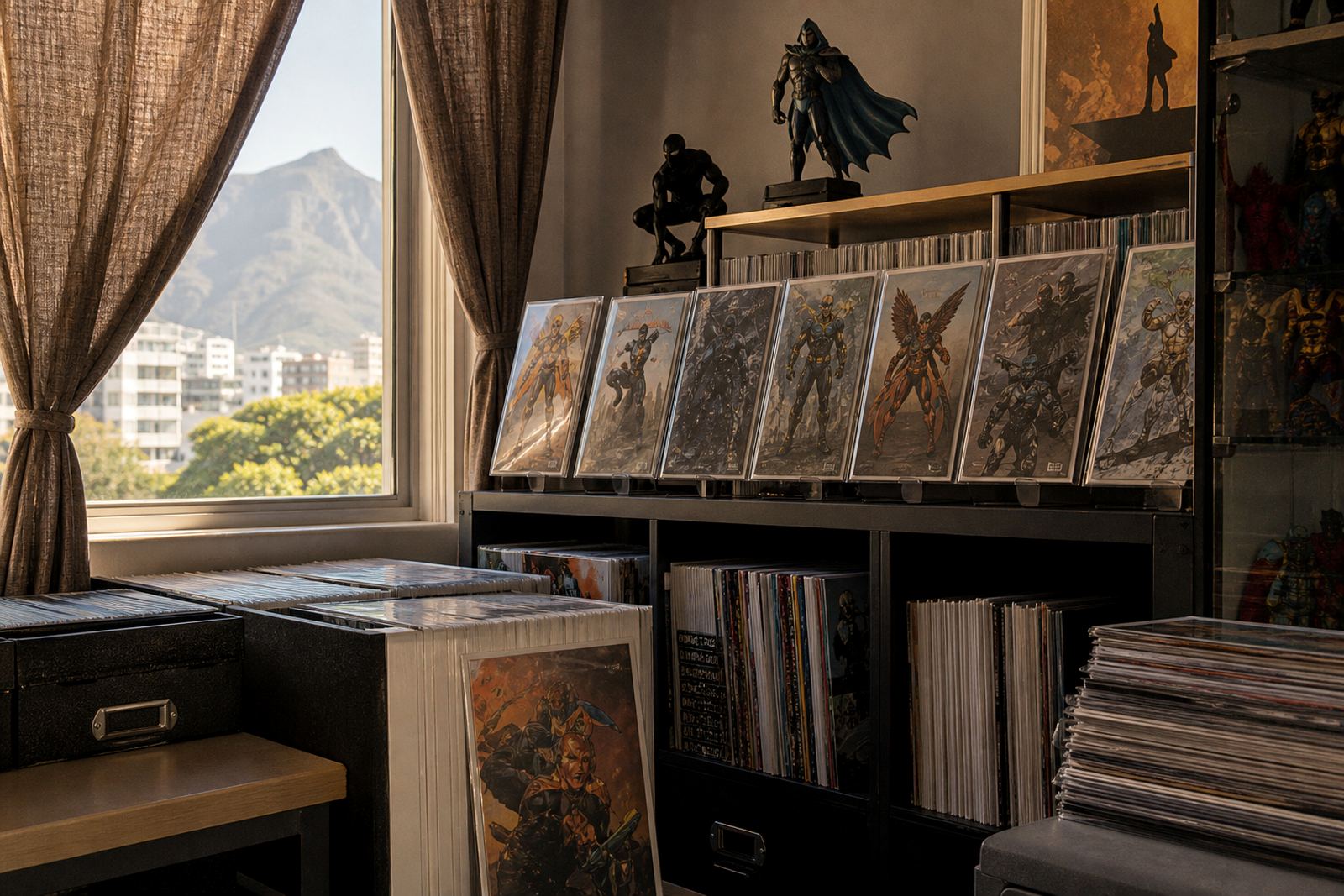
In South African homes, especially where windows get strong afternoon sun, direct light can fade some finishes over time. Coastal humidity in places like Durban or the southern suburbs can also affect how dust settles, so regular gentle cleaning is part of the routine. Use soft cloths and avoid sprays that leave residue. If a display sits near a window, curtains or blinds can reduce sun exposure without leaving the room too dark.
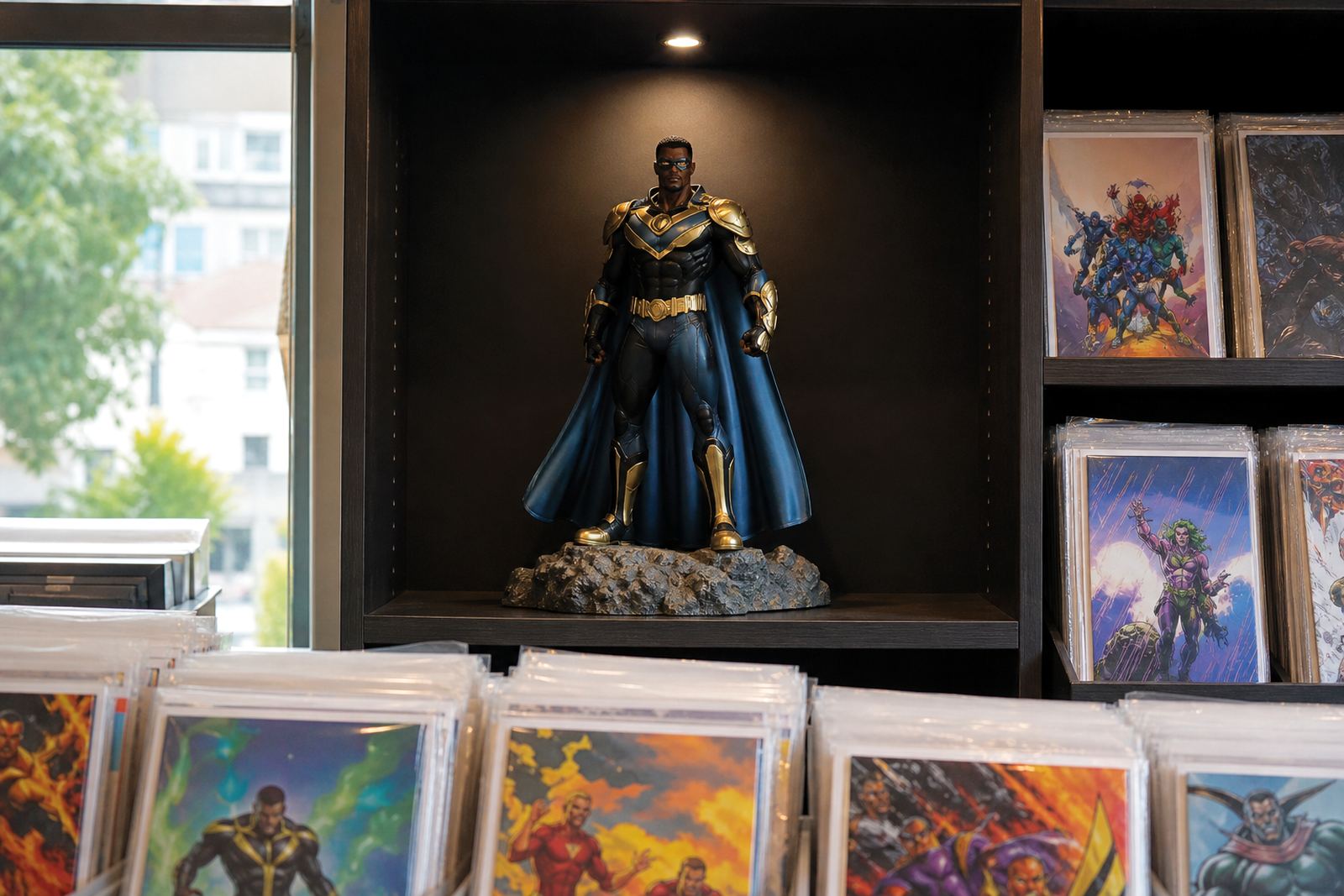
For glass cabinets, a small warm LED strip or a pair of low-heat lights can improve visibility. Keep the fittings neat so the display remains tidy instead of looking like a tangle of cords.
Balance The Display So One Piece Does Not Dominate Everything
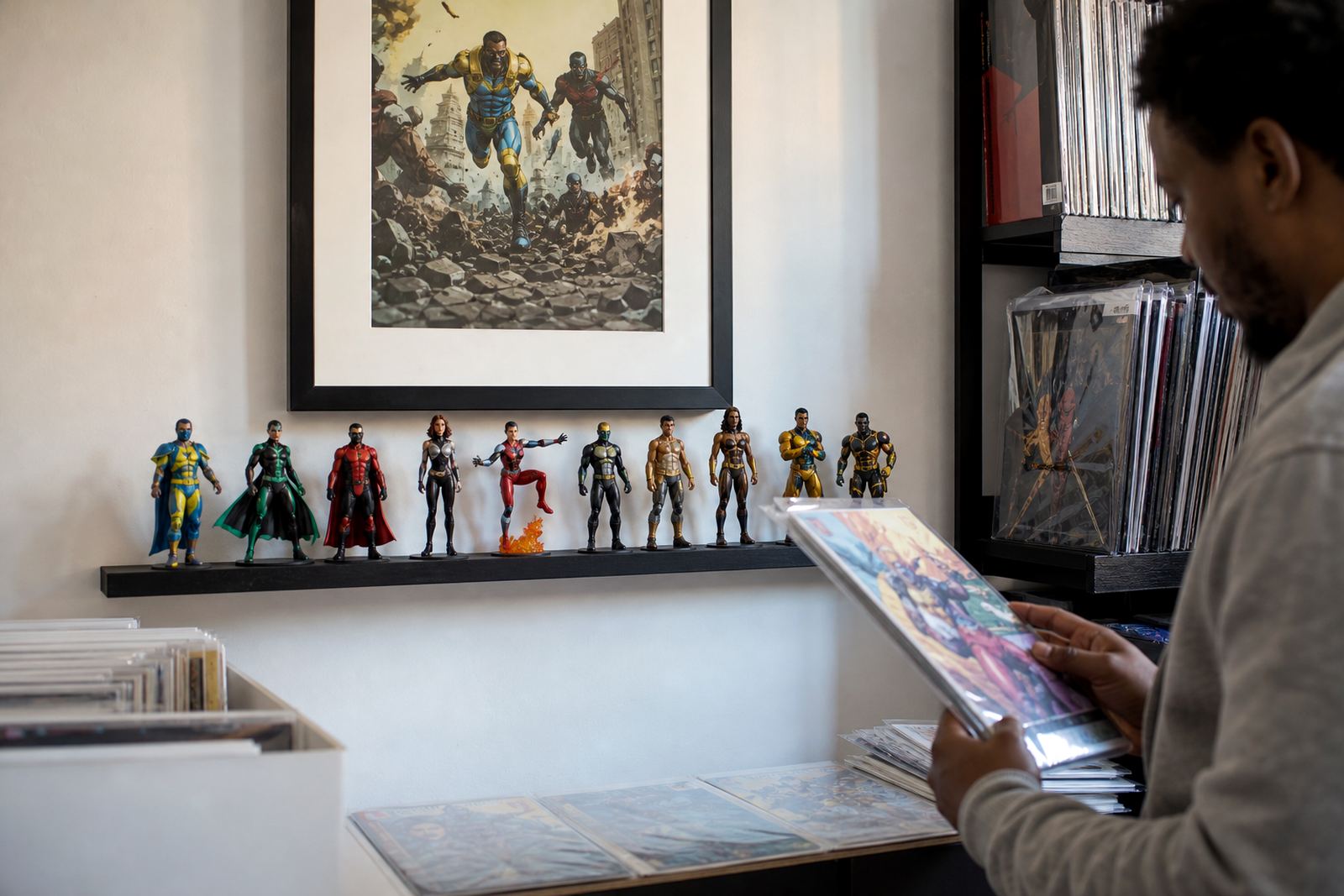
Large collectables draw the eye quickly, which is exactly why balance matters. If every tall piece sits on the same level, the display can feel heavy at the top and empty below. Mix heights and shapes so the eye moves around the shelf naturally. A standing statue can be paired with a smaller bust, a framed print, or a carefully placed prop to create structure.
A collector in Observatory might have a narrow passage shelf or a simple steel unit in a flat. In that kind of space, one large hero piece can anchor the whole display if it is given room on both sides. Add smaller items only where they support the main figure, not where they compete with it. It helps to step back every so often and look at the shelf from the doorway. If the arrangement feels crowded from that distance, it probably is.
- Place the heaviest visual item at eye level where possible
- Keep similar colours from bunching in one corner
- Use odd numbers for smaller supporting pieces when it suits the layout
- Leave some open space so the main statue stands out
Storage Planning Protects Collectables Between Displays
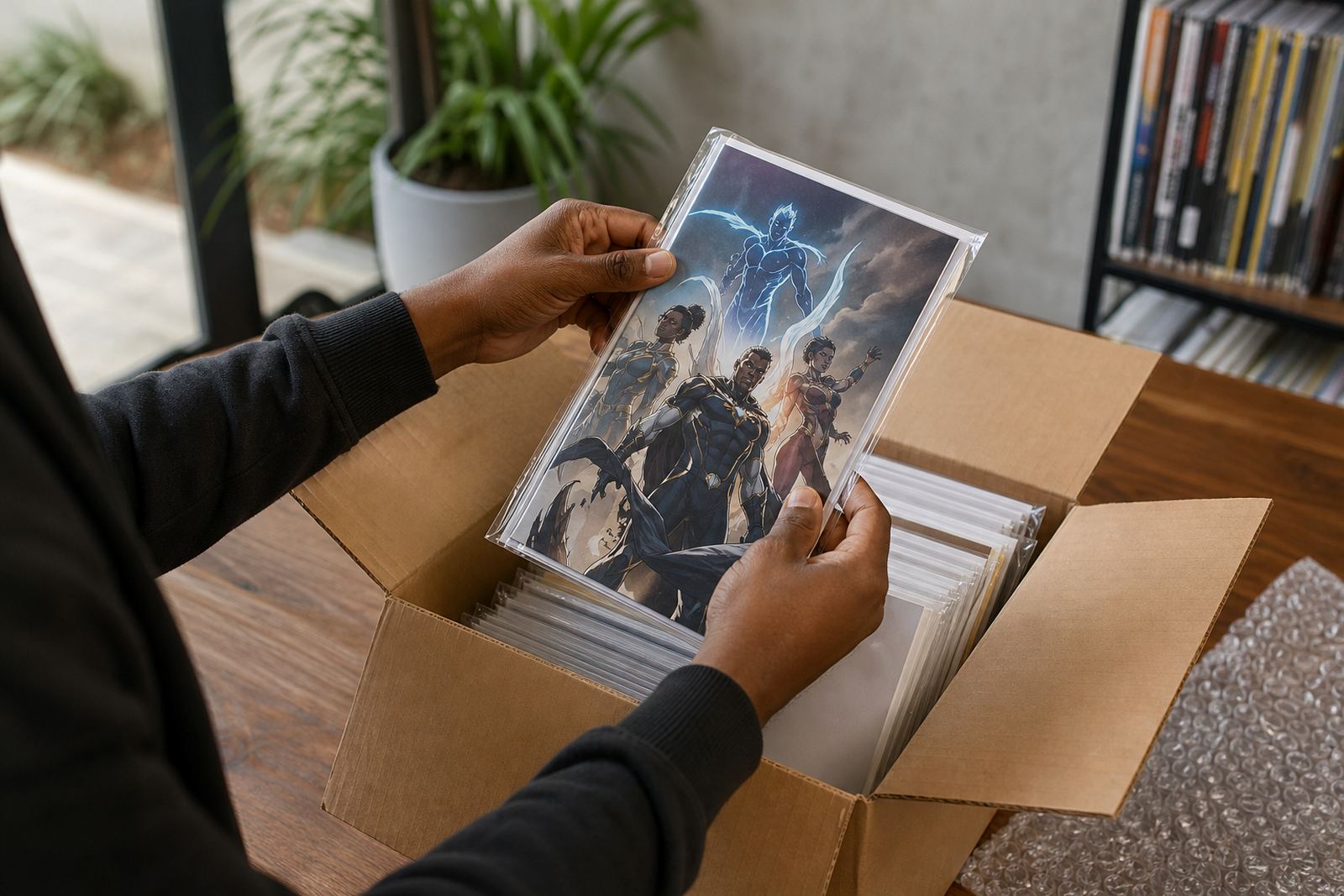
Not every statue stays on display all the time. Some collectors rotate pieces for special occasions, while others store items until shelf space opens up. Storage should be planned before the collection grows, not after. Keep original boxes, inserts and protective wrapping where possible, because they help with transport and reduce rubbing.
In a Durban summer or a Pretoria winter with dry indoor air, temperature changes can still affect packaging and materials. Store collectables in a dry place away from damp walls and direct sunlight. If a cupboard sits against an outer wall, check for moisture before placing any paper or foam inside. Label boxes clearly so a piece can be found quickly without opening everything at once.
For heavier items, use two people when moving them. It may feel slower, but it reduces the chance of dropping a base, snapping a fine detail, or damaging nearby items on the way out.
When A Collection Starts To Outgrow The Room
Many collectors begin with one shelf and end up needing a full plan for the room. That is normal. The answer is not always a bigger cabinet. Sometimes the better move is to organise by size, theme or display purpose. A few premium pieces can sit in the main viewing area, while reserve items are stored safely and rotated in later.
In Gqeberha and other coastal areas, salt air can add another layer of care, so enclosed displays are often worth considering for valuable pieces. In Johannesburg or Pretoria, dust can build up quickly in open rooms, so easier cleaning access matters. A practical setup fits the home it is in, not just the collection wish list.
That is where careful planning saves money and worry. A well thought out display means fewer accidents, less repacking, and a better view of every figure you have chosen.
Ask For Guidance Before The Next Piece Arrives
If you are adding a large collectable and are not sure where it will sit, it helps to plan before delivery day. Think through shelf depth, nearby light sources, storage and how often the item will be handled. A simple checklist can stop a costly mistake, especially when a piece is larger than expected or comes with a stand that needs extra room.
For local collectors, this is also the point where practical advice matters most. Whether the piece is going into a family lounge in Cape Town, a study in Stellenbosch, or a flat in Johannesburg, the goal is the same: keep it stable, visible and easy to care for. A good display does not shout, it simply makes the collection feel finished.
And when the space is planned well, the statue can do what it was meant to do, which is stand out without taking over the whole room.
Name the title, issue or character you are hunting for, and our comic shop crew will help you track it down.
Contact form