
Why a simple sleeve and board still does the job
A comic can look fine at a glance and still take damage from finger oils, dust, light, bending and moisture in the air. In Cape Town, Durban or Gqeberha, coastal humidity can creep into boxes and shelves faster than many collectors expect, so a basic sleeve and backing board makes a real difference.
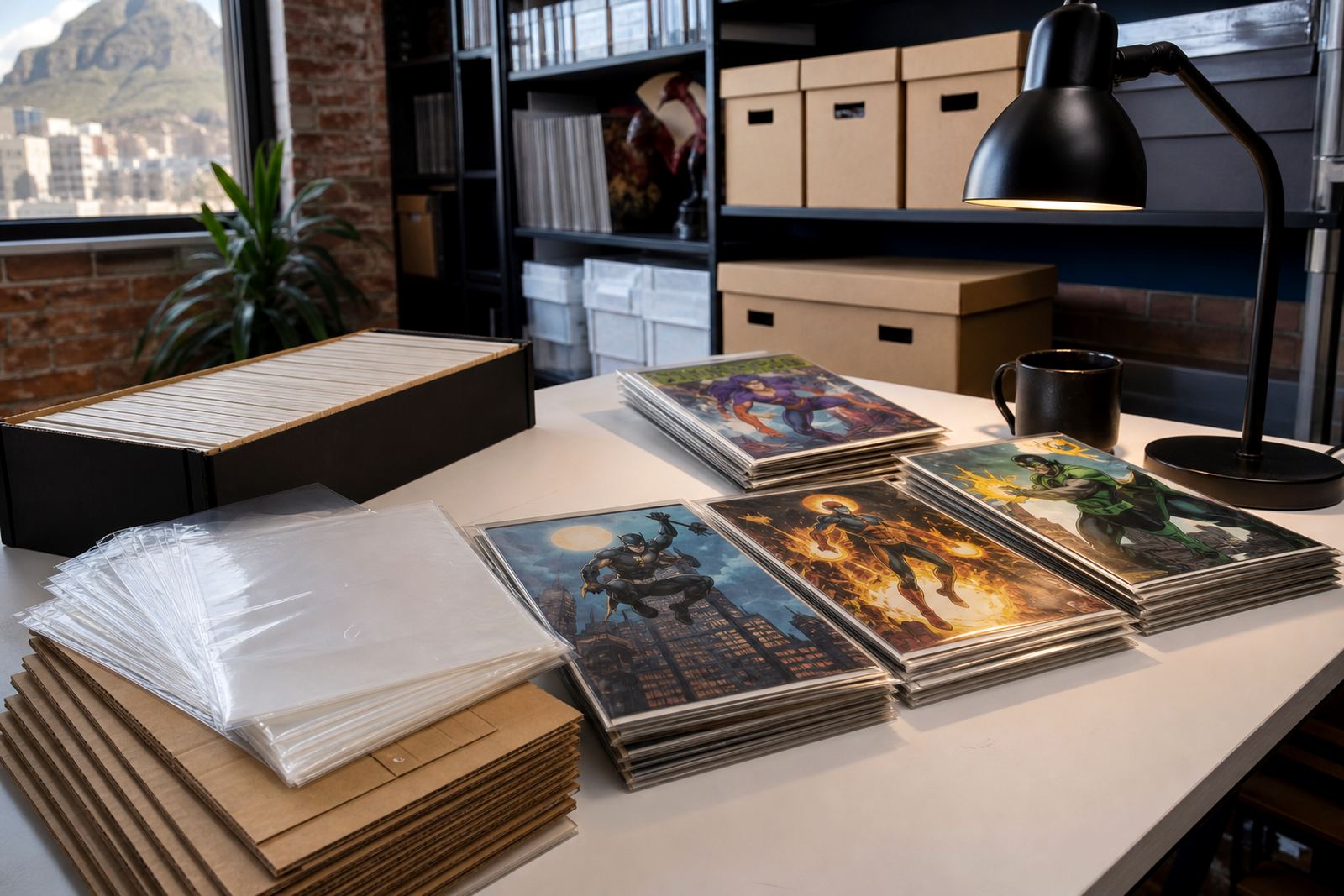
The sleeve forms a clear barrier around the book, while the board gives the comic support so it does not curl or fold inside the bag. Together they help keep an issue cleaner for longer and make it easier to move through your collection without worrying about every touch.
- Reduces surface scuffing from regular handling
- Helps preserve corner shape and spine alignment
- Limits dust build-up on books stored in boxes or on shelves
- Makes comics easier to sort, inspect and trade
A comic protected today is a comic easier to keep tomorrow.
Choosing the right fit for standard issues and thicker books
Not every comic needs the same sleeve. Standard issues usually fit neatly into a common size sleeve with a matching board, while thicker specials, annuals or collected editions may need a wider option so the spine is not squeezed. If the fit is too tight, you can stress the corners and create small bends when sliding the book in and out.
A good fit should feel secure but not forced. The comic should sit flat, with the board behind it and enough room at the opening for clean insertion. If you buy local superhero comics regularly, it is worth checking the thickness of each issue before you store it, especially when you are adding items to a long term box or preparing a book for grading.
- Standard size sleeves suit most single issues
- Thicker sleeves are better for special editions and larger books
- Boards should cover the full comic without overhanging corners
- Always check that the opening is clean and free of dust before sealing
How sleeves and boards support grading prep
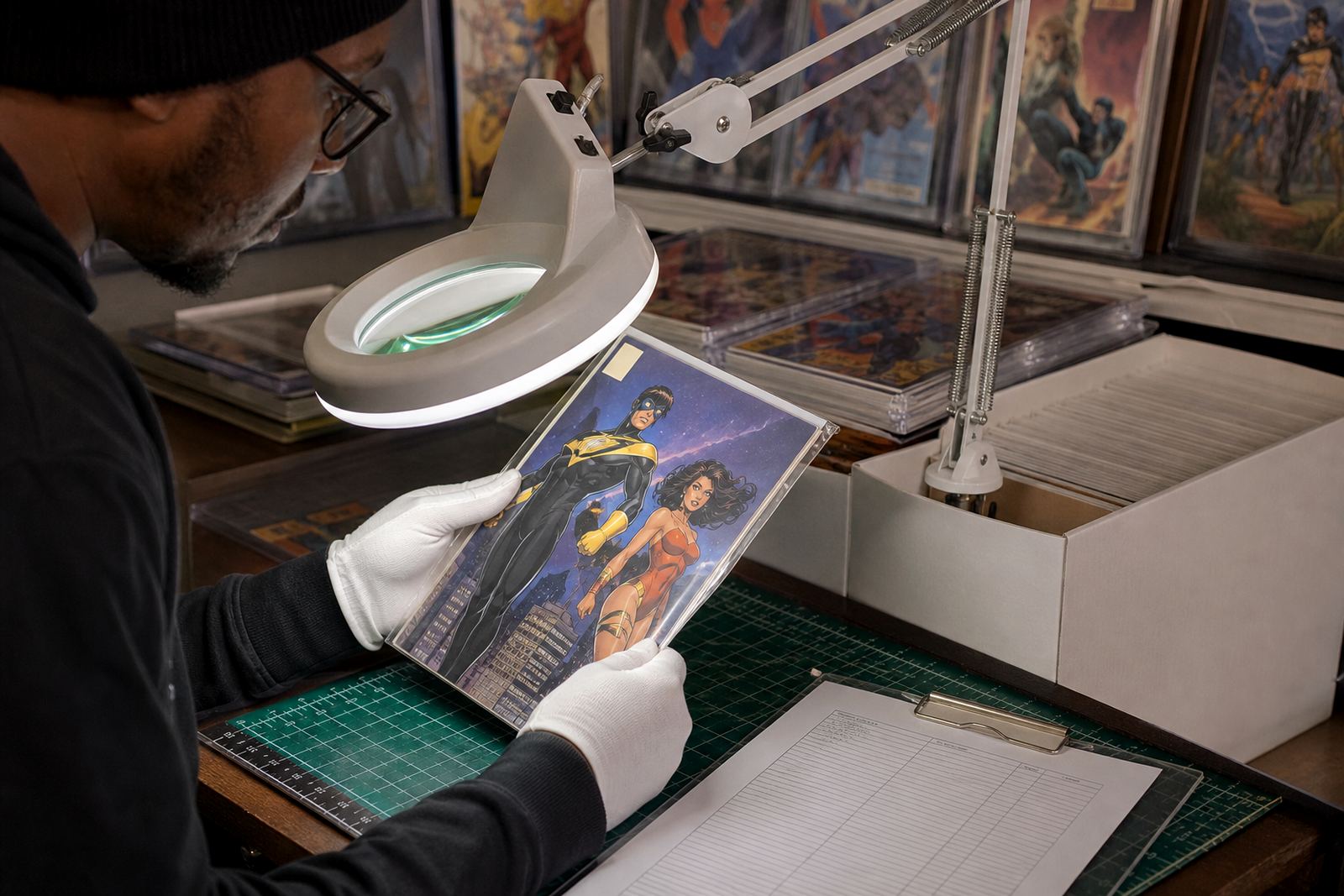
For collectors thinking about grading, sleeves and boards are often part of the first prep stage. They do not fix damage, but they do help keep a comic steady while you inspect it for spine ticks, dents, corner wear and cover creases. That inspection is easier when the book has been stored properly from the start.
At our Observatory base, grading guidance often begins with a simple look at the sleeve and board condition. If the bag is cloudy, split or too loose, the comic inside may have picked up marks that are hard to see at first. A clean, well fitting sleeve and board set gives you a better chance of spotting issues early before a submission goes in. It also helps during safe shipping prep when a collector in Johannesburg or Pretoria needs to send a book across the country.
- Use fresh sleeves for higher value books or planned submissions
- Replace boards that are bent, stained or worn at the edges
- Check the comic for trapped dust before sealing it up
- Store books upright in a box so they do not slide and rub
Storage habits that matter in South African homes
Sleeves and boards work best when the rest of your storage is sensible. A sealed comic box under a sunny window is not a good idea, and neither is a room that gets damp after summer rain or salty air blowing in from the coast.
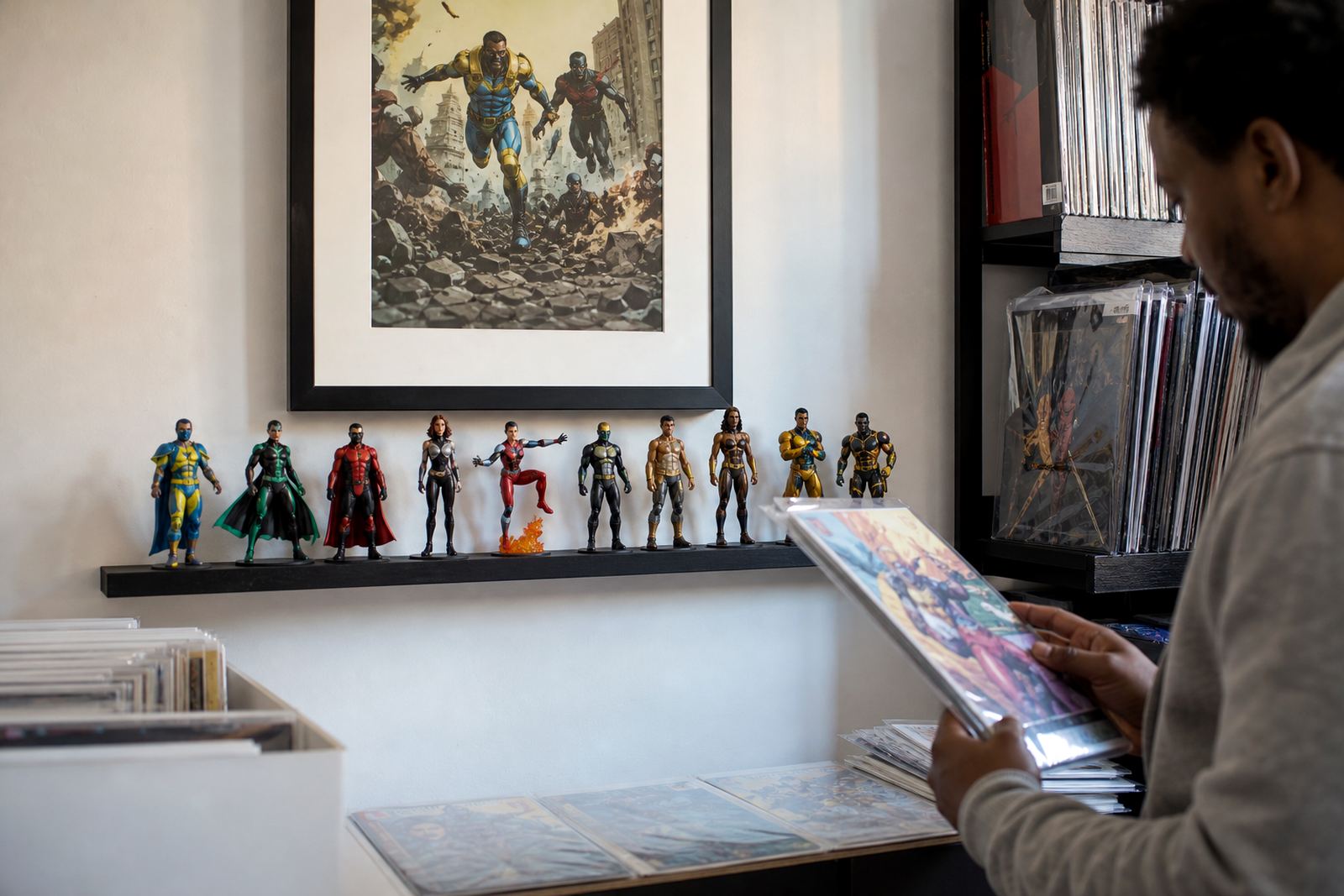
If you organise your collection by series, character, or reading order, sleeved books are easier to handle without causing extra wear. They also stack more neatly in boxes and help you keep your collection tidy when you are planning display arrangements, gift selections or wishlist sourcing for later. A small amount of care now saves time and damage later, which is why many collectors keep a fresh stock of sleeves and boards on hand.
- Keep comics in a dry room with steady airflow
- Avoid direct sun, kitchen steam and floor level damp
- Use rigid boxes for long term storage rather than loose piles
- Label boxes clearly so you handle books less often
When to replace old sleeves and boards
Like any storage item, sleeves and boards wear out. A sleeve that has gone cloudy, scratched or split no longer protects the book properly. Boards can absorb moisture, bend at the corners or leave marks if they have been used for too long. If you notice a comic looking wavy or the board no longer sitting flat, it is time to change it out.
Collectors sometimes keep using old bags because the comic still looks fine from the front. That can be a mistake. The back of the book may be rubbing against a damaged board, or the sleeve may have become brittle with age. Replacing both at the same time is a simple habit that keeps the whole set in better condition, especially for books you want to hold, trade or submit later on.
Good replacement timing also helps when you are building a subscription curation list or preparing for an event package. Clean presentation matters when a comic changes hands, and the sleeve and board are part of that first impression.
From the shop counter: Nationwide delivery
Picture a collector in Observatory who picks up an original local hero title on a Saturday, then needs it delivered to family in Durban the following week. The comic goes into a fresh sleeve with a proper board, then into a protective outer layer for courier transit. That simple setup helps the book arrive flatter and cleaner than if it had been sent loose in a box.
The same approach works for collectors in Bellville, Stellenbosch, Gqeberha and Johannesburg. Whether the comic is staying in your own shelf or travelling across the country, sleeves and boards reduce the risk of bends, rubbing and edge wear. For everyday comics and collectables, that is often the cheapest protection you can buy and it pays off every time you open the box.
Before ordering more supplies, it helps to check which size or type is right for your books. A small check now can save you from rebagging the same comic twice, or worse seeing a favourite issue pick up avoidable damage.
Name the title, issue or character you are hunting for, and our comic shop crew will help you track it down.
Contact form