
A keepsake starts with a story, not a shelf price
Collectors often begin with condition, but the books that stay with people are usually the ones tied to a moment. It might be the first comic a parent bought on a Saturday in Observatory, a replacement copy found after years of searching, or a local hero story that reminded someone of their own street, school, or family. That feeling matters because collecting is personal before it is technical.
At SA Heros Comics in Observatory, Cape Town, we see this every day. A reader in Durban may want a comic because it arrived in the same month as a major family event. Someone in Pretoria may ask for help sourcing a title for a younger sibling who is just getting into superhero stories. The paper, staples, and spine all count, but the memory is what turns a comic into a keepsake.
A comic’s value is not only in its condition, it is in the memory it keeps safe.
Condition still matters, but it is only part of the value
Condition affects how a comic is presented, stored and graded, so it should never be ignored. Creases, colour fade, moisture marks and spine wear can all lower the appeal to another collector. In coastal areas such as Cape Town and Gqeberha, humidity can also make pages ripple if books are left in the wrong place for too long.
Even so, a comic with light wear can still mean far more to its owner than a cleaner copy that feels cold and replaceable. The best collectors learn to balance market condition with personal importance. That means asking two questions at once: is this copy presentable, and is this the copy I actually want to keep?
- Check the spine, corners and centre fold before you decide to bag or grade a book.
- Keep notes on where and when the comic was acquired, especially for gifts or event purchases.
- Do not confuse heavy wear with bad care. Some books were simply read often and loved properly.
The small details that make a comic feel special
What turns an ordinary issue into a keepsake is often something small. A handwritten note from a friend, a gift tag tucked inside the bag, or a comic bought after a good day at a local event can add meaning that no price guide can measure. Those details are part of the object’s history, and they are worth protecting.
For collectors who like original South African superhero stories, this point matters even more. A local hero can reflect familiar settings, neighbourhoods and everyday life, which makes the comic feel closer to home. That local connection can be as important as print quality when someone is deciding what to display, what to store and what to pass on later.
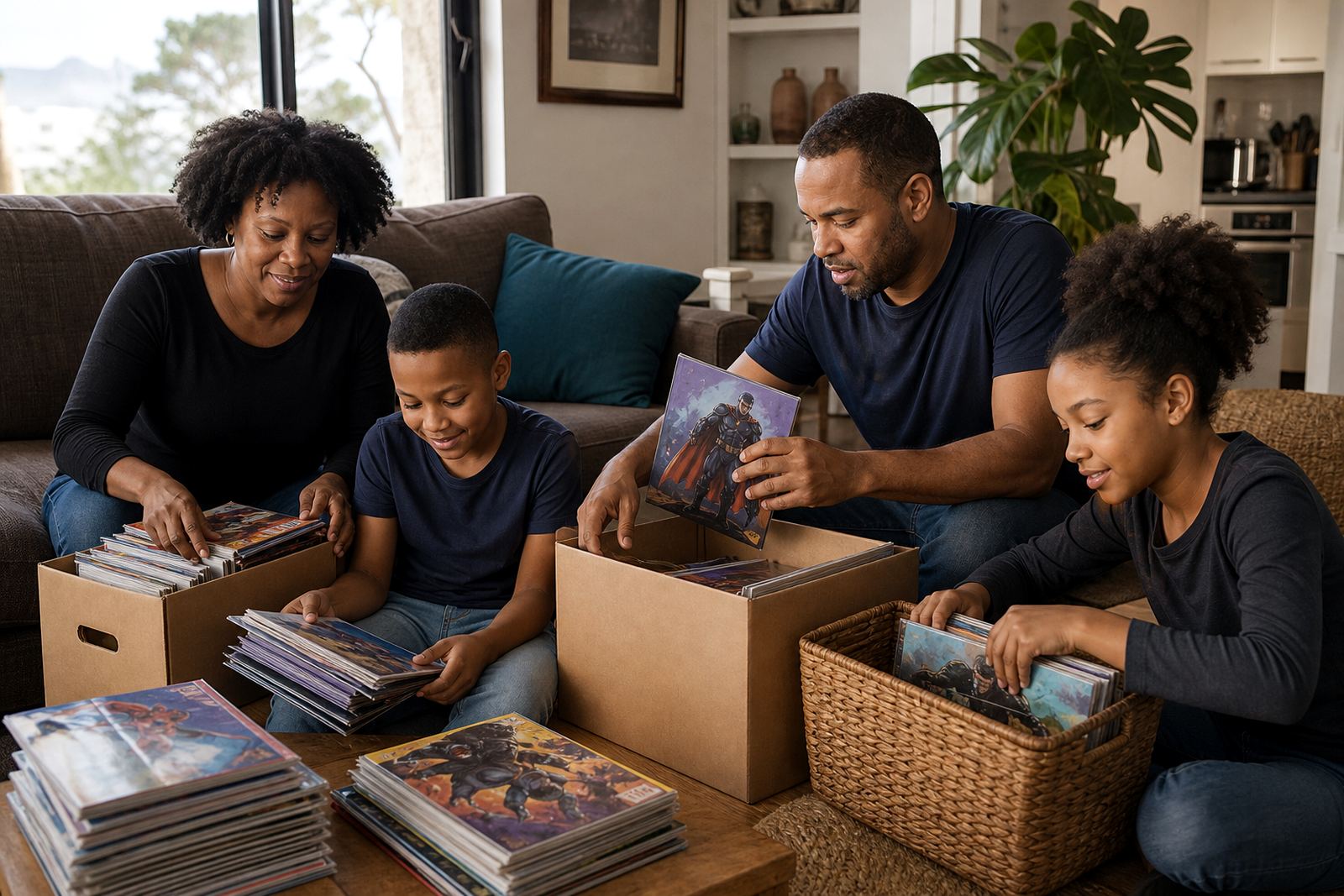
- Keep small keepsakes together in a folder or archival box if they were bought as a set.
- Use sleeves that fit properly so corners are not bent during storage or travel.
- If a comic came from a special outing, record the date and place on a separate note rather than on the book itself.
Grading guidance helps protect both value and memory
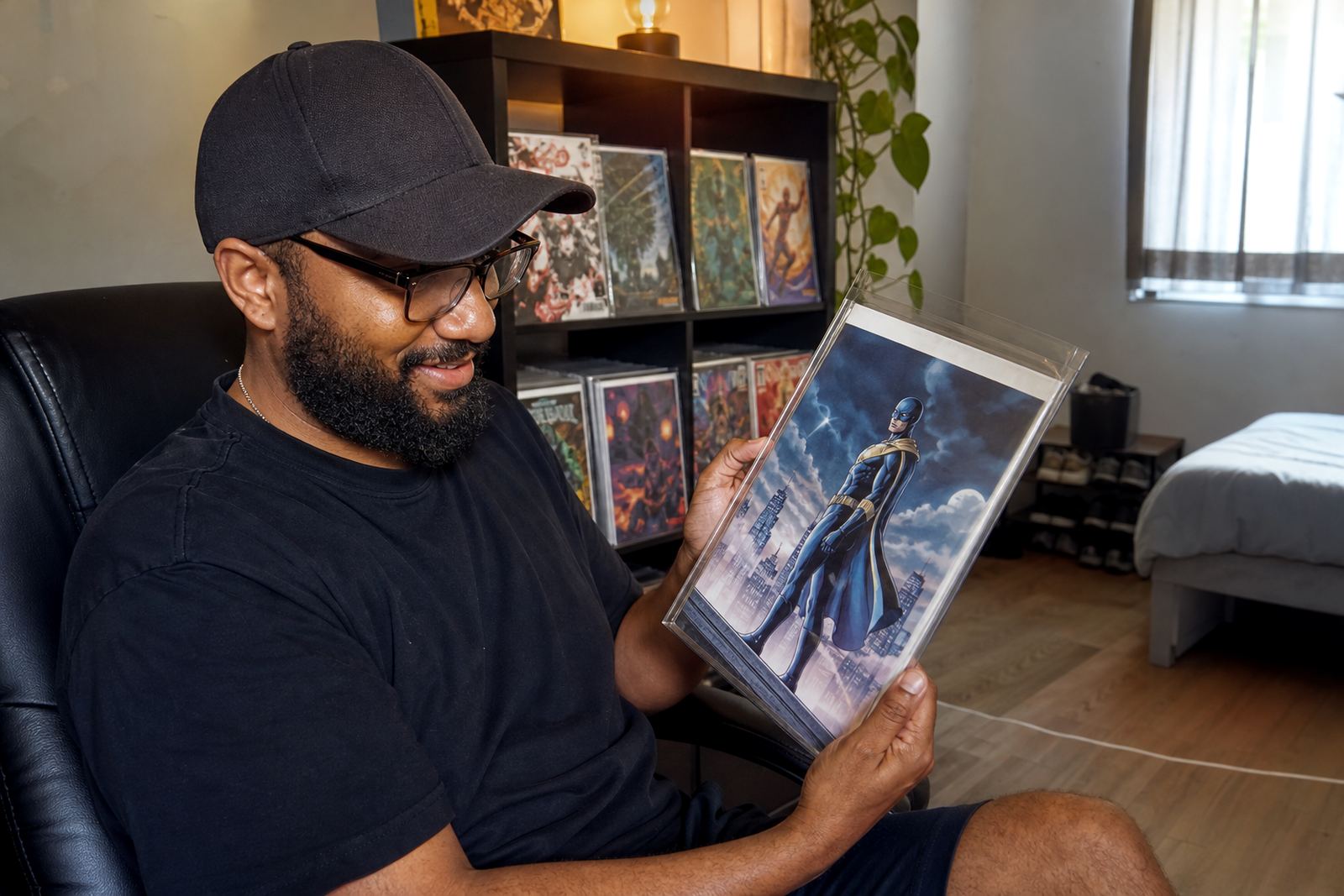
Grading is useful because it gives collectors a common way to talk about condition. A book can be inspected for wear, page quality and handling marks before it is submitted or stored long term. But grading should not erase the reason the comic was kept in the first place. The most useful approach is to grade with care and keep the story behind the copy intact.
Our team often helps collectors with pre-submission checks, cleaning advice and grading guidance so they know whether a comic is ready for formal assessment or better suited to careful storage. Thabiso Ndlovu, our Grading Coordinator, usually starts with the practical basics: is the comic clean, flat and protected from further damage? That simple process can save time and prevent avoidable mistakes.
- Never press a comic flat with heavy books, especially in damp weather.
- Handle pages with clean hands and support the spine when opening older issues.
- Separate valuable copies from daily read comics so they are not mixed during sorting.
Storage and display should suit South African conditions
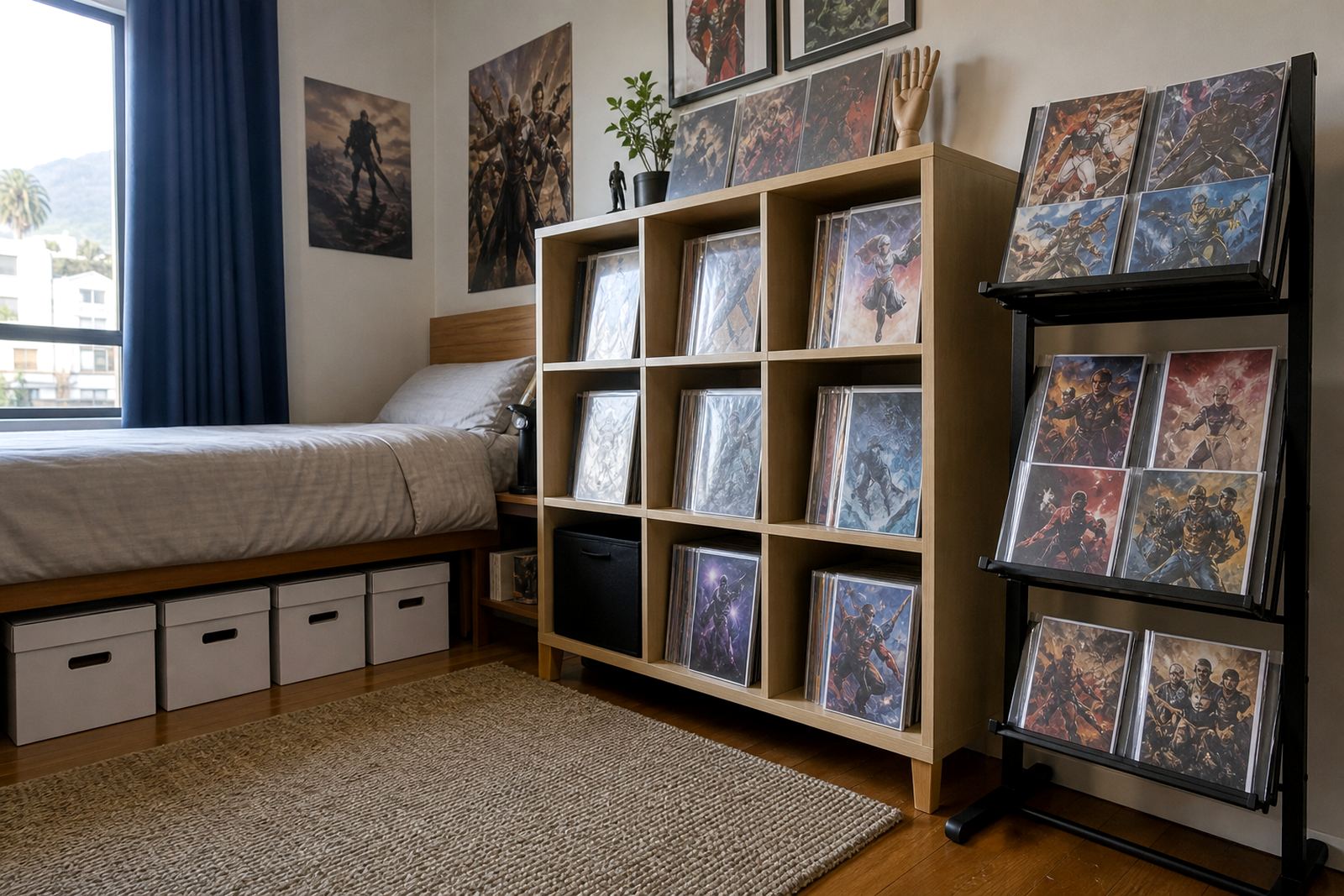
South African collectors have to think about more than dust. A comic kept near a window in Bellville or in a warm storage box in Johannesburg can age differently from one kept in a cool interior cupboard. Good storage is not fancy, it is steady and sensible.
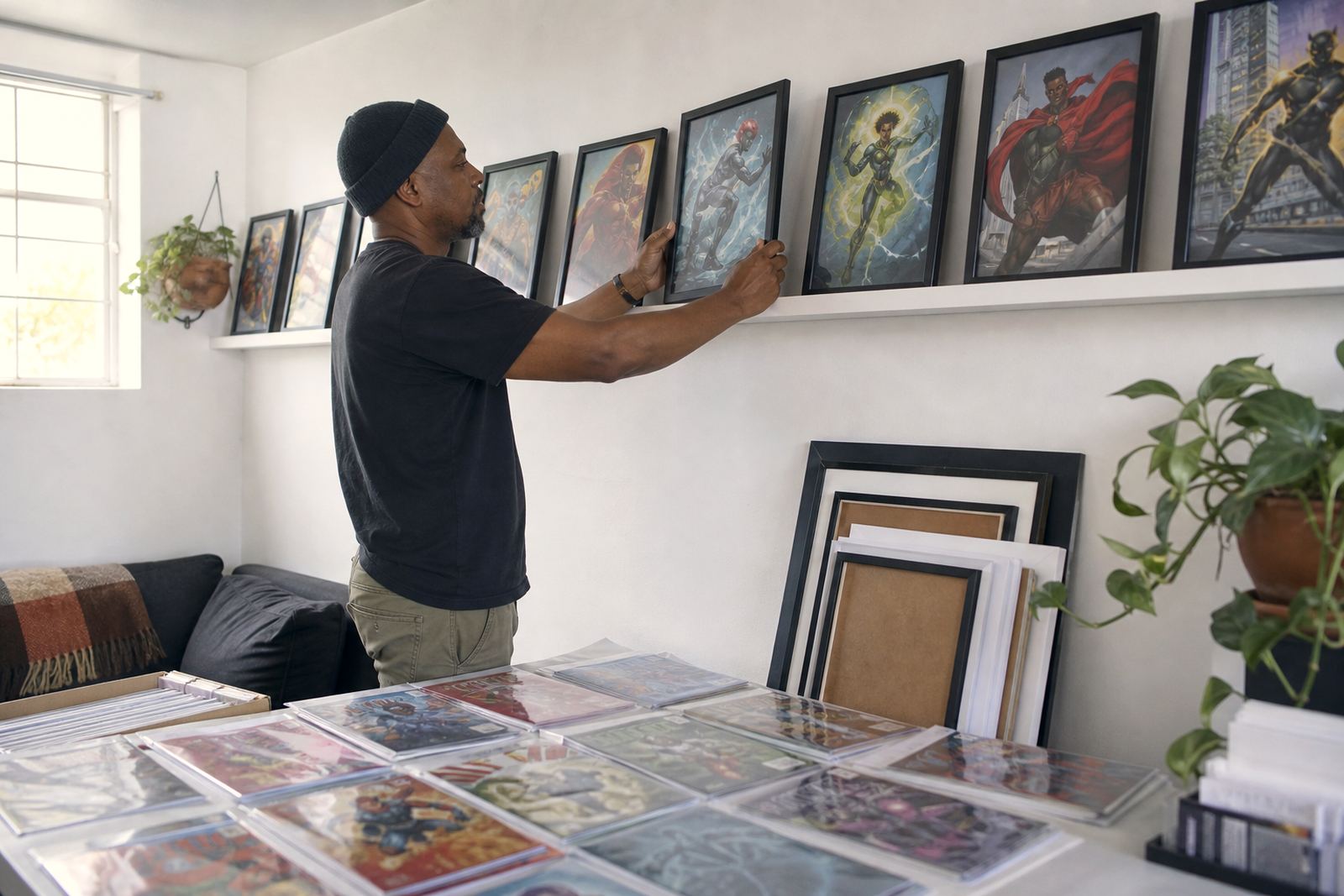
For display planning, think about where the comic will sit, how long it will be out of a box, and whether the room gets direct sun. If you want to rotate favourites, keep the rest in proper sleeves and boxes so the displayed copy is not carrying all the risk. For events or house moves, safe shipping prep matters too because corners and spines take damage quickly in transit.
- Use storage boxes that keep comics upright and away from damp floors.
- Leave space between bags and hard surfaces so edges are not crushed.
A local example: one book, many meanings
Consider a collector in Cape Town who buys a local superhero comic at a community event in Observatory. The issue is not rare in the strictest sense, and the cover has light shelf wear. Yet it marks the first event the collector attended with a child, and it was signed by the creator at the table. Years later, that comic may still be the one they keep closest, even if another copy grades higher.
That is why sentimental value cannot be treated as an afterthought. It helps decide what gets graded, what gets framed, what gets archived and what gets shared with the next generation. If a comic holds a memory, it should be stored with the same care you would give any important family item. Our collector consultations and collection organisation support are built around that idea: keep the story, protect the condition, and plan for the long term.
Keeping the balance between heart and handling
Good collecting is a balance. You want the comic to look after its market value, but you also want it to mean something when you pick it up again years later. The books that last are usually the ones that were handled with care, stored properly and chosen for a reason beyond resale.
If you are building a collection of local superhero comics, start by sorting what matters most to you. Put your favourites in proper storage, get guidance before submitting anything for grading, and choose display pieces that can handle being seen. That way the collection stays useful, personal and ready for whatever comes next.
Name the title, issue or character you are hunting for, and our comic shop crew will help you track it down.
Contact form